Lebanon’s cabinet move to disarm Hezbollah, backed by U.S. pressure on Israel to honor a ceasefire, marks a historic showdown that could reshape Middle East power.
Story Snapshot
- Lebanon has formally endorsed a U.S.-backed plan to disarm Hezbollah, a longtime Iranian-backed terror group.
- U.S. envoy Tom Barrack is pressuring Israel to comply with a 2024 ceasefire, requiring withdrawal from occupied Lebanese territory.
- Hezbollah resists disarmament, warning of civil unrest and challenging Lebanese sovereignty.
- The U.S. links ceasefire compliance to Lebanon’s economic reconstruction, injecting foreign influence into domestic affairs.
- Regional stability and American interests are at risk as diplomatic efforts collide with entrenched militant power.
Historic Lebanese Cabinet Action Pressures Hezbollah
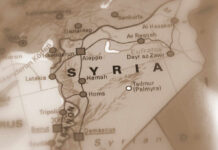
For the first time, Lebanon’s cabinet has formally endorsed a U.S.-backed plan to disarm Hezbollah, breaking decades of political deadlock. This decision follows a brutal 14-month conflict with Israel that began after the October 2023 Hamas attacks. The Lebanese government tasked its army to deliver a disarmament plan by the end of 2025, aiming to reclaim state authority and reduce Iranian-backed militia power. However, Hezbollah, entrenched in Lebanon’s politics and military, immediately condemned the move, calling it a threat to national resistance and warning that forced disarmament could trigger civil unrest. This standoff tests not only Lebanon’s fragile sovereignty but also the U.S. resolve to check terrorism and foreign interference in the region.
Lebanon has officially decided to go with the plan and completely disarm Hezbollah. This could only have happened because Israel absolutely destroyed them in this war.
The biggest terrorist organization brought to its knees.
This is what peace through strength looks like.
— Vivid.🇮🇱 (@VividProwess) August 7, 2025
U.S. Diplomatic Push: Linking Peace to Economic Recovery
U.S. Special Envoy Tom Barrack has tied Israeli compliance with the November 2024 ceasefire to Lebanon’s postwar economic reconstruction. The U.S. is leveraging billions in potential aid to incentivize progress, while pressing Israel to withdraw from occupied territory and halt airstrikes. Barrack’s statement, “The Lebanese government has done their part. Now what we need is for Israel to comply with that equal handshake,” underscores an American strategy that uses economic carrots to drive policy change. The push for disarmament and reconstruction is complicated by ongoing violence, political paralysis, and Hezbollah’s defiant stance.
Watch: Lebanon works to disarm Hezbollah • FRANCE 24 English
Hezbollah Resistance and Regional Power Dynamics
Hezbollah’s leadership, backed by Iran, has publicly rejected disarmament efforts, threatening civil conflict if forced to comply. Speaker of Parliament Nabih Berri negotiates on Hezbollah’s behalf, while Lebanese Prime Minister Nawaf Salam insists on peaceful, state-led disarmament. Israel remains skeptical of Hezbollah’s willingness to disarm, citing security concerns and ongoing cross-border skirmishes. The Lebanese army faces the daunting task of implementing the plan amid deep social divisions and the risk of internal unrest. These factors create an unstable environment that threatens both regional stability and U.S. interests, raising questions about the long-term viability of a ceasefire and the potential for renewed conflict.
Economic Fallout and Social Impact in Lebanon
Lebanon is reeling from over $11 billion in war damages and economic losses, with urgent need for reconstruction and humanitarian aid. The political realignment that could follow Hezbollah’s disarmament offers hope for restoring state authority, but the risk of civil unrest looms large. Civilians in southern and eastern Lebanon continue to suffer from displacement and infrastructure collapse, while social tensions mount between Hezbollah supporters and opponents. The U.S. and international donors are considering economic packages, but the success of these efforts hinges on sustained security, political consensus, and meaningful reform. Any failure to disarm Hezbollah could plunge Lebanon deeper into crisis, destabilizing the region and undermining American efforts to promote liberty and constitutional values abroad.
Sources:
US envoy nears Lebanon-Israel ceasefire that would disarm Hezbollah terror group
US envoy says Israel’s turn to comply as Lebanon moves to disarm Hezbollah
Lebanon, Israel: Lebanon moves to disarm Hezbollah