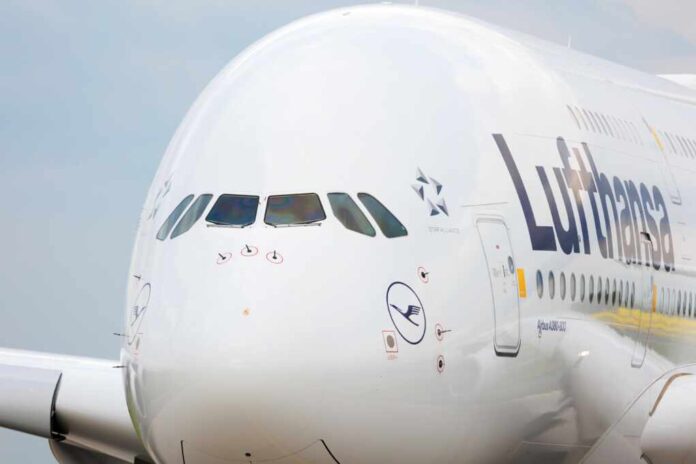
Lufthansa’s extension of its Israel flight suspension until late October signals deep safety worries and mounting commercial fallout.
At a Glance
- Lufthansa extended its suspension of flights to Israel until October 25, 2025.
- The move follows a missile strike near Tel Aviv’s Ben Gurion Airport.
- Other major carriers, including United and Delta, have resumed Israel services.
- The suspension places strain on EL AL and alternative carriers.
Lufthansa’s Cautious Stand
The Lufthansa Group, Europe’s largest airline conglomerate, has decided to keep flights to Israel grounded until October 25. The decision came after a missile struck near Ben Gurion Airport, exposing vulnerabilities in the country’s defense system.
While United and Delta resumed services, Lufthansa refused to follow. Its executives cited ongoing safety concerns and a need for stricter risk management before restoring regular operations.
Watch now: Lufthansa Israel Flights Update
Major airline announces it may never return to Israel https://t.co/qY9FtgIEwH
— simplyexcess (@simplyexcess) September 11, 2025
Subsidiaries like Eurowings and Swiss have also delayed returns. This staggered approach reflects Lufthansa’s broader caution and the complex logistics of operating in unstable regions.
Security and Industry Fallout
The missile strike rattled confidence across the aviation sector. For airlines, the incident showed that even advanced defenses cannot fully guarantee passenger safety. Lufthansa responded by extending its suspension, signaling that its board views the risk as unacceptable for now.
Insurance concerns play a role too. Carriers face higher premiums when flying into conflict zones. Lufthansa’s pause suggests it is unwilling to absorb those costs without greater assurances of safety.
The industry split is stark. Some carriers prize market access and resume flights quickly. Others, like Lufthansa, prioritize risk control even at the cost of revenue. This divergence highlights a deep divide in airline crisis management strategies.
Travelers and Markets Hit
The suspension disrupted passenger flows across Europe and the Middle East. Many travelers who depend on Lufthansa’s hub system must now book with rival carriers or face extended layovers. This shift boosted demand for EL AL, Israel’s flag carrier, which has struggled to absorb the surge.
The economic hit extends beyond airlines. Israel’s tourism sector faces lost revenue as long-haul travelers face fewer direct options. Lufthansa’s absence reduces connectivity with key European markets, weighing on hotels, tour operators, and service providers.
Industry analysts warn of a long-term shake-up in market share. Airlines that resume sooner may lock in loyal passengers, while Lufthansa risks ceding ground if its suspension drags on past October.
Safety Versus Commerce
Lufthansa’s move underscores a larger industry debate. Airlines must balance commercial imperatives against unpredictable threats in unstable regions. The German carrier has opted for maximum caution, reinforcing its reputation for conservative safety standards.
Whether this caution proves costly depends on how the conflict evolves. If further attacks occur, Lufthansa’s stance may look prescient. If peace holds, its rivals may gain ground in both revenue and passenger loyalty.
For now, Lufthansa has signaled it will only return when security conditions improve. That conservative posture sets a high bar, forcing other carriers to justify their own risk thresholds in the shadow of an active conflict.
Sources