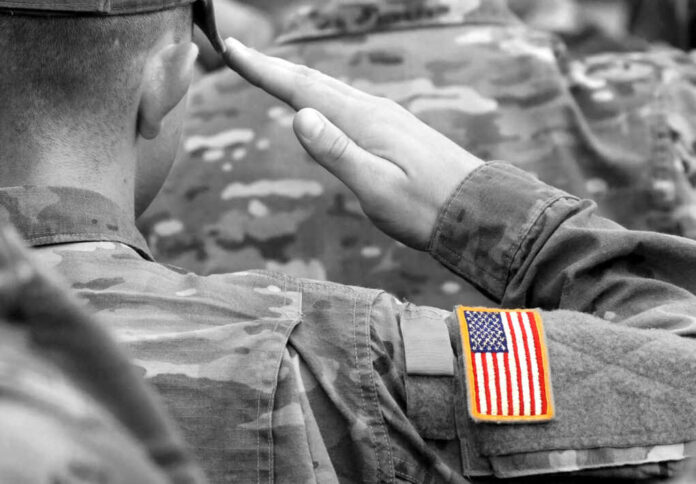
A National Guard deployment in Memphis raises tensions as crime rates fall, sparking debate over federal intervention.
Story Highlights
- President Trump announces National Guard deployment to Memphis amid declining crime rates.
- The move is met with mixed reactions from local and state officials.
- Memphis Mayor and Tennessee Governor did not request federal intervention.
- Debate continues over the necessity and impact of federal intervention in local crime control.
Federal Intervention Sparks Controversy
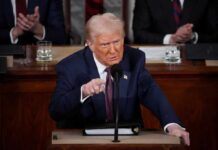
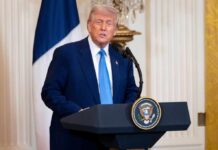
On September 12, 2025, President Donald Trump announced the deployment of National Guard troops to Memphis, Tennessee, as part of a federal initiative aimed at addressing violent crime. This decision has ignited political tensions between federal, state, and local authorities, raising questions about the effectiveness and motivations behind deploying military forces in American cities. While Trump cited support from Memphis’s Democratic mayor and Tennessee’s Republican governor, local officials expressed reservations, emphasizing a need for more details regarding the deployment.
Governor Bill Lee and Memphis Mayor Paul Young are key figures in this unfolding scenario. Despite confirming the deployment, Mayor Young clarified that he did not request federal assistance and is seeking further clarification on the operational details. Governor Lee has expressed gratitude for federal support but is working to finalize the deployment specifics with Trump’s administration. The announcement has prompted a public response and debate among local and state officials.
Watch: Trump announces plan to deploy National Guard to Memphis
Crime Rates and Local Concerns
The deployment comes amid a backdrop of declining crime rates in Memphis, challenging the rationale for federal intervention. Recent statistics show a 44% drop in reported incidents and nearly a 30% decrease in homicides compared to the previous year. The deployment echoes previous controversial use of federal forces in cities like Washington, D.C., and raises concerns about the militarization of local law enforcement.
Local communities, particularly in Memphis’s majority-Black neighborhoods, express unease about increased federal presence. Some residents view the deployment as politically motivated, potentially straining community trust in law enforcement and government. Meanwhile, local law enforcement agencies face potential operational changes and coordination challenges due to the federal intervention.
Implications and Political Dynamics
The decision to deploy the National Guard sets a significant precedent for federal intervention in local crime control, impacting civil-military relations and local autonomy. In the short-term, the increased federal presence may lead to heightened tensions between authorities and communities. Long-term implications could include a shift in how federal and local law enforcement roles are perceived, potentially affecting constitutional rights and civil liberties.
Economically, the deployment could incur costs and impact local businesses and tourism. Politically, it intensifies the partisan debate over crime, policing, and federalism, with federal officials framing the deployment as necessary for public safety, while local stakeholders emphasize community-driven solutions and caution against federal overreach.
Sources:
Trump announces National Guard deployment to Memphis to combat crime
What to know about Trump’s National Guard deployment to Memphis