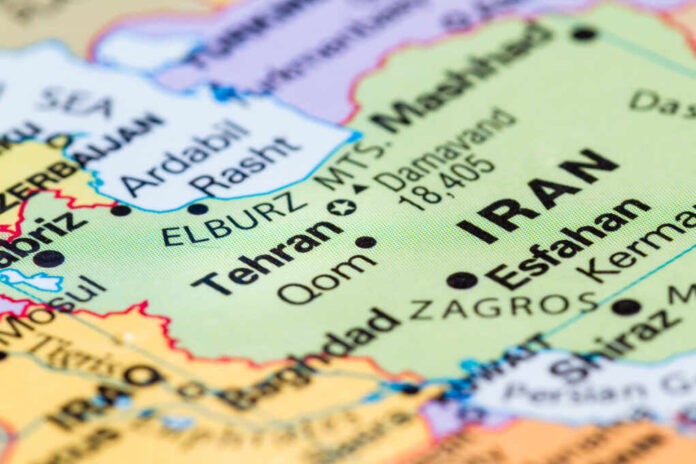
As Iran’s regime cuts off water to Tehran and weighs evacuating 10 million citizens, the world watches a once-mighty capital teeter on the brink of collapse—proof of what unchecked government mismanagement and radical agendas can do to a nation’s very survival.
Story Snapshot
- Tehran faces unprecedented water cut-offs and possible city-wide evacuation after five years of regime failure and historic drought.
- Chronic mismanagement, corruption, and radical policies have left Iran’s infrastructure and citizens dangerously exposed.
- Government offices closed and harsh penalties imposed, yet daily life in the capital hangs by a thread, with millions at risk.
- This crisis is a stark warning about the dangers of centralized control, failed leadership, and disregard for basic needs.
Regime Mismanagement Brings Tehran to the Brink
Tehran, a city of 10 million, now faces rolling water cut-offs and forced evacuation plans as Iran’s government grapples with the worst drought in its history. Years of regime mismanagement—marked by corruption, failed infrastructure investments, and reckless disregard for the needs of ordinary people—have left the city’s five main reservoirs at only 13% capacity, with some like the Lar Dam nearly empty. For Iranians, particularly in the capital, the state’s inability to maintain even the most basic services is an alarming sign of governmental failure and misplaced priorities.
Beginning in 2020, Tehran’s leaders ignored repeated warnings about dwindling supplies and instead doubled down on short-term fixes. Agricultural over-extraction, wasteful consumption, and lack of incentives for conservation worsened the crisis. The authorities’ recent call for a 20% reduction in water usage came far too late, as did emergency measures like closing government offices and urging citizens to “go on vacation” to reduce demand. These half-measures have failed to address the collapse of daily life and the threat of mass displacement—an outcome no free nation should ever face under competent leadership.
Tehran's unprecedented water crisis: Iran's capital enters sixth consecutive year of extreme drought
Pezeshkian: If it doesn't rain, then Tehran has to be evacuated @BislaDiksha tells you more pic.twitter.com/TupzU7o2sg
— WION (@WIONews) November 8, 2025
Ordinary Citizens and Farmers Pay the Price
Residents of Tehran now endure daily uncertainty, with government-mandated water shutoffs and harsh penalties targeting those the regime deems “high-use” consumers. Farmers and rural communities—once the backbone of Iran—have seen their wells dry up and livelihoods destroyed. Businesses stumble as both water and electricity become unreliable. Meanwhile, social tensions rise as the government singles out affluent neighborhoods, stoking resentment and division instead of providing real solutions. This top-down approach, reminiscent of failed socialist experiments, leaves millions on edge—facing not only shortages, but the very real prospect of evacuation and economic ruin.
International partners have stepped in with wastewater recycling and technical support, but these efforts cannot compensate for decades of neglect and authoritarian control. The regime’s regulatory grip remains firm, but its ability to deliver basic needs has eroded, fueling public resistance and highlighting the dangers of unchecked power. The lesson is clear: when governments suppress individual responsibility and free enterprise in favor of central planning, society itself becomes fragile and exposed to collapse.
Collapse Is Imminent Without Fundamental Reform
The current crisis is not simply the result of drought or climate change—it is the product of chronic mismanagement, radical government agendas, and a refusal to heed expert warnings. While international media highlight the severity of Tehran’s plight, the regime’s emergency projects and rationing plans do little to assure citizens or avert disaster. With no timeline for recovery and infrastructure on the verge of total failure, Tehran’s future is now uncertain. The world is reminded that strong, accountable leadership, personal responsibility, and respect for fundamental needs are the only bulwarks against the kind of collapse now threatening millions in Iran’s capital.
Sources:
Water scarcity in Iran – Wikipedia
Iran plans water cuts for Tehran amid worst drought in decades – France24