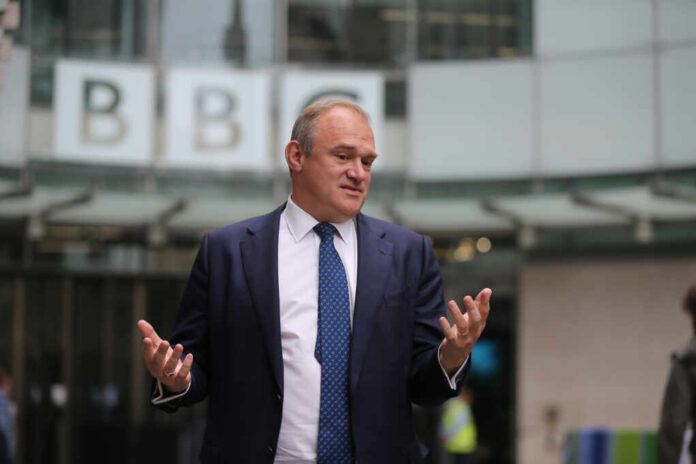
A Liberal Democrat-led council is planning to postpone local elections, directly contradicting warnings from their own party leader, Sir Ed Davey. The controversial move, which is being considered by up to 63 councils invited by the government to delay due to administrative reorganization, has sparked intense debate about democratic principles, executive overreach, and the erosion of voter trust. As the deadline for delay requests approaches, the political fallout continues to grow, affecting nearly 10 million voters across England.
Story Highlights
- Lib Dem councils consider delaying elections, contradicting Ed Davey’s warnings.
- Government invites 63 councils to request election delays due to reorganization.
- Lib Dem leader criticizes delays as an affront to democratic principles.
- Concerns rise over executive overreach and potential erosion of voter trust.
Lib Dem Council’s Controversial Move
A Liberal Democrat-led council, such as Oxfordshire County Council, is contemplating a postponement of local elections scheduled for May 2026. This move comes despite explicit warnings from Lib Dem leader Sir Ed Davey, who opposes any actions that might undermine democratic processes. The proposed delay highlights internal conflicts within the party, as local councils prioritize administrative reorganization over national party rhetoric on protecting democracy.
Local Government Minister Alison McGovern has extended an invitation to 63 councils to request one-year election delays due to ongoing reorganization into unified authorities. This invitation, issued on December 18, 2025, underscores the government’s focus on streamlining operations at the expense of timely elections. Five councils have already confirmed their requests, with more expected to follow suit by the January 15, 2026 deadline.
Ed Davey’s Democratic Stand
Sir Ed Davey has been vocal in his opposition to election delays, warning of a “cavalier approach” to democratic processes. He has called for an investigation by the Equality and Human Rights Commission to ensure that such delays do not become a precedent for undermining electoral integrity. Davey’s stance highlights a growing divide within the Lib Dems, with local leaders prioritizing efficiency over the national party’s commitment to democracy.
While some councils argue that delays are necessary for effective reorganization, the Electoral Commission and other watchdog groups have expressed concern over the erosion of voter confidence. Critics argue that capacity issues are not a legitimate reason for postponing elections, which could set a dangerous precedent for future electoral interference.
Potential Implications and Reactions
The proposed election delays have significant implications for the political landscape in England. Nearly 10 million voters are affected, with extended terms for some councillors reaching up to seven years. The delays are seen as shielding Labour and Conservative councils from potential losses while blocking gains for Reform UK and Lib Dems, who have been polling strongly.
The broader impact of these delays raises questions about the legitimacy of local governments and the potential hindrance to devolution goals. Reform UK and other opposition parties are gearing up for parliamentary pushes to counteract what they perceive as a “banana republic” approach to governance. As the deadline for delay requests approaches, all eyes are on the Lib Dem councils to see if they will align with or defy their leader’s democratic values.
Watch the report: Dozens of local elections could be cancelled
Sources:
- Lib Dem council to ask for election delay weeks after Davey’s warning
- Ed Davey: ‘Europe is crying out for closer relations with Britain’
- Sir Ed Davey writes to human rights watchdog over local election delays | Politics News