When meat prices climb and stay high, the right question isn’t only “what went wrong in supply,” but “who holds the power to turn a shock into a household budget problem?” The Justice Department’s expansion of its beef-affordability probe from meatpackers to eight of the largest grocery chains answers that with action: enforcement scrutiny now spans the whole route from the kill floor to the checkout lane.
At a Glance
- The DOJ broadened its beef-affordability investigation to eight major grocers, requesting six years of detailed pricing and margin data.
- The retailer inquiry sits atop a separate, ongoing probe into the “Big Four” meatpackers, which dominate U.S. beef processing.
- Ground beef prices remained elevated in mid‑2026; the DOJ cites consumer impact and makes beef pricing a stated priority.
- The letters seek the transactional evidence needed to test collusion or price-manipulation theories at retail.
What the Justice Department did, and why it matters
The Justice Department’s Antitrust Division extended an ongoing beef investigation to eight national retailers—Kroger, Publix, Walmart, Albertsons, Aldi, Ahold Delhaize USA, Costco, and Amazon—seeking explanations for “recent increases in the retail price for beef.” Associate Attorney General Stanley E. Woodward Jr. sent letters dated July 14 requesting six years of data: purchasing, wholesale and retail prices, costs, margins, pricing strategies, and internal market analyses. This is not a press-release posture; it is the evidentiary backbone of any serious antitrust inquiry into whether retailers coordinated pricing, managed margins in parallel, or otherwise contributed to persistently high consumer prices. The department has been explicit that beef prices are a priority for enforcement because the consumer harm is concrete and widespread.
This retail sweep layers onto a publicly known DOJ probe of the four dominant processors—JBS, Cargill, Tyson Foods, and National Beef—launched months earlier. Those firms have long been described as controlling roughly four-fifths or more of U.S. fed-cattle processing capacity; the USDA’s own market work pegged fed-cattle processor concentration at about 81% in 2021. The sequencing matters: by examining both the upstream packers and the downstream grocers, the DOJ is positioning itself to trace price formation across the chain rather than isolate a single commercial tier.
How a retail-level antitrust theory would be tested
Retail coordination is rarely proven by price charts alone; parallel movements can reflect shared costs or seasonal demand. That is why the DOJ’s letters target granular records. Investigators will crosswalk scanner data, wholesale invoices, and internal pricing memos to see if price increases or margin expansions occurred with synchronized timing across rivals and without corresponding input justification. They will look for evidence of communication—emails, chats, pricing-committee materials—or for algorithmic pricing and “signaling” that substitutes for explicit collusion. The six-year window allows analysts to distinguish transient supply shocks from durable conduct. If the data show that retailers largely passed through documented wholesale cost spikes from packers, the retail theory weakens; if not, a case strengthens.
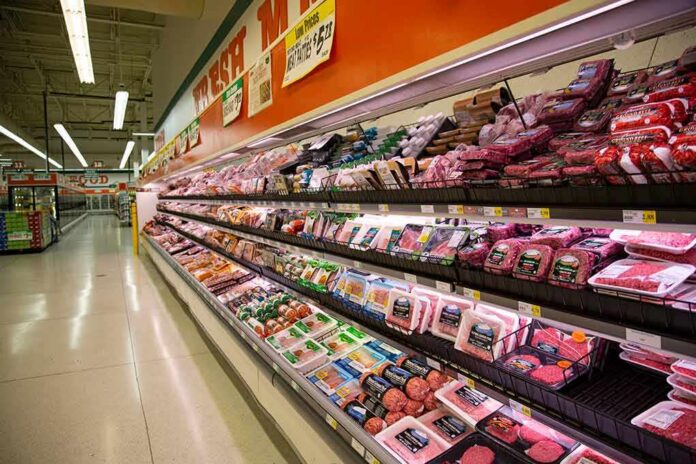
Ground beef prices, which multiple outlets reported averaging around $6.89 to $7.12 per pound in July 2026—roughly 10% higher year over year—set the consumer context but do not establish causation on their own. Elevated prices can arise from lawful scarcity or structural chokepoints. Antitrust work begins when price persistence looks inconsistent with cost movements or when competitive responses—discounting, promotions, private-label substitution—fail to materialize despite opportunity.
The supply story the DOJ must separate from market power
Beef pricing is built on cattle biology and weather before it ever touches a spreadsheet. The cattle cycle is slow and unforgiving; multiyear herd contraction reduces slaughter-ready animals and tightens supply. USDA and industry analyses have chronicled a sustained decline in the national herd, drought pressure, and higher feed and input costs through the mid‑2020s. In such conditions, wholesale beef prices rise, packer margins can whipsaw, and retailers often receive fewer aggressive promotions from suppliers. Distinguishing this kind of lawful scarcity from anticompetitive conduct requires the very transactional detail the DOJ has demanded.
Complicating matters is the structure of the industry. Processor concentration at the top and concentrated regional retail footprints at the bottom render price transmission opaque. When four processors dominate slaughter and fabrication and a handful of grocers command scanner share in many markets, price changes can appear coordinated simply because few actors set the terms. The USDA’s interim work on meat merchandising underscores this, documenting high concentration among fed-cattle processors; that backdrop is exactly why the DOJ opened its earlier packer probe and is now testing whether retail conduct amplified upstream dynamics into consumer harm.
What the letters request reveals about the DOJ’s theory of harm
The scope—six years of purchasing, pricing, margins, strategy, and market analysis—signals several possible theories. First, classic horizontal coordination: did retailers communicate directly or via intermediaries in ways that influenced beef pricing or promotions? Second, algorithmic or AI-enhanced tacit coordination: did similar tools and shared data vendors facilitate parallel pricing beyond what costs would support? Third, margin management: did retailers expand category margins systematically when wholesale costs stabilized or fell, indicating exploitation of consumer inertia? The data set sought—particularly internal pricing strategy and market analysis—goes beyond raw numbers to the decision logic investigators need to test each theory.
Importantly, the DOJ’s posture is investigative, not accusatory. No public evidence in the available record shows retailer collusion; the department is gathering the material that would be necessary to allege it if warranted. That is routine antitrust practice in concentrated consumer markets with salient price spikes.
DOJ targets 8 major grocery chains in skyrocketing beef price probehttps://t.co/YzGaZB0GUi
— JB Slear (@JB_Slear) September 3, 2026
How this fits within modern food antitrust enforcement
Food retail sits at the intersection of classical price-fixing law and newer concerns about buyer power and discriminatory terms. Over the past decade, grocery mergers and large-buyer negotiations have drawn regulatory attention because small changes in market structure can reverberate through supplier terms, promotions, and shelf prices. The DOJ’s move signals a full-chain approach: investigate the dominant packers for potential seller power and the largest grocers for potential buyer or seller-side coordination at retail. USDA’s concentration metrics and prior litigation histories in protein markets make this a logical next step when prices stay elevated and cost-of-living pressure intensifies.
For consumers, the implications are straightforward. If the investigation uncovers unlawful coordination, remedies could include injunctive relief, structural changes, penalties, and changes to information-sharing practices—any of which can alter how quickly wholesale relief reaches the shelf. If the data instead confirm that high prices were a lawful consequence of tight cattle supply and upstream dynamics, the probe can still produce transparency: a clearer map of price transmission that disciplines future conduct and informs policy discussions about resilience in the beef supply chain.
What to watch next
Three milestones will tell the story from here. First, whether the DOJ converts voluntary letters into compulsory process—civil investigative demands or grand jury subpoenas—suggests how quickly it wants sworn evidence. Second, any public-facing synthesis of the retailer submissions, even at a high level, would clarify whether pricing movements align with cost data. Third, coordination with the packer probe—shared econometric models, overlapping witnesses, or parallel remedy discussions—would indicate the department views retail conduct and processor power as complementary pieces of a single enforcement narrative rather than two discrete matters.
Sources:
rrfn.com, fox13news.com, pluang.com, washingtonexaminer.com, linkedin.com, nypost.com, nortonrosefulbright.com, ca.finance.yahoo.com