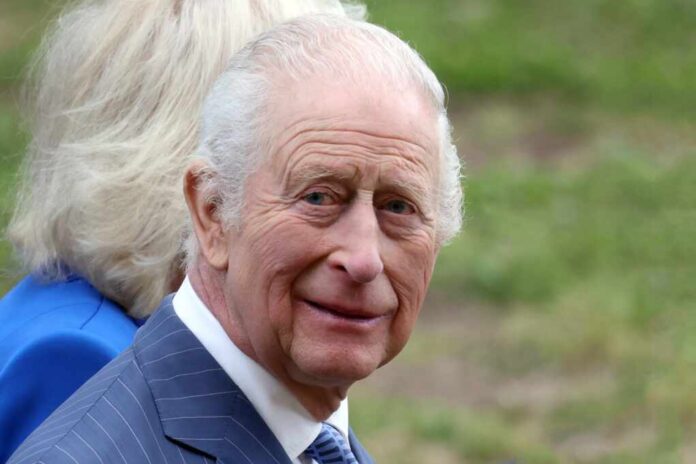
King Charles III’s decisive action against Prince Andrew marks a historic shift in royal tradition, prioritizing institutional accountability over familial loyalty.
Story Highlights
- King Charles strips Prince Andrew of all remaining royal titles and forces him to vacate Windsor mansion.
- A terse statement from Buckingham Palace emphasizes sympathy for abuse victims.
- Andrew, now Andrew Mountbatten Windsor, is required to move to Sandringham estate.
- Media reports reveal new correspondence between Andrew and Epstein, intensifying scrutiny.
King Charles Takes Decisive Action
In a significant departure from royal tradition, King Charles III has stripped his brother, Prince Andrew, of all remaining royal titles and evicted him from his Windsor mansion. This move follows renewed scrutiny over Andrew’s ties to convicted sex offender Jeffrey Epstein and allegations of sexual abuse. Buckingham Palace issued a terse statement, emphasizing the monarchy’s support for abuse victims and survivors, underscoring a shift towards prioritizing institutional reputation over familial loyalty.
This unprecedented action against Andrew highlights the monarchy’s commitment to distancing itself from scandal. Andrew, who now bears the name Andrew Mountbatten Windsor, is required to relocate to private accommodations on the Sandringham estate. The decision aligns with a broader royal strategy to modernize and uphold accountability, reflecting the declining public support and pressure to maintain integrity in the face of global scrutiny over the Epstein scandal.
Background and Implications
Prince Andrew, once a prominent figure in the Royal Navy and a UK trade ambassador, saw his reputation crumble due to his association with Epstein and subsequent allegations. As media revelations continue to emerge, including recently published correspondence between Andrew and Epstein, the monarchy faces mounting pressure to act decisively. This move by King Charles is seen as necessary to protect the monarchy’s future and public trust amid ongoing scrutiny of elite institutions.
Historically, the monarchy has distanced itself from scandal-ridden members, but the scale of action against Andrew is unprecedented. His complete loss of titles and privileges marks a new precedent in handling royal scandals, potentially influencing public perceptions of the monarchy’s relevance and integrity. This decision underscores a zero-tolerance approach to scandal, signaling a shift towards prioritizing institutional over familial interests.
Public and Institutional Reactions
The stripping of Andrew’s titles and eviction from Windsor is widely regarded as a dramatic move in modern British history. Royal commentators emphasize the necessity of protecting the monarchy’s institutional integrity above individual members. The decision has been corroborated by official palace statements and is widely reported by reputable news organizations, lending high credibility to the facts presented. While some argue the move was overdue, others caution about the precedent it sets for royal family governance and due process.
In the short term, Andrew’s public and private status is further diminished, with increased public and media scrutiny of royal accountability. Long-term implications include setting a standard for handling royal scandals and influencing public perceptions of the monarchy’s role. This action may also impact succession planning and the monarchy’s future role, emphasizing the need for transparency and ethical standards. The decision underscores a commitment to modernizing the monarchy, ensuring its relevance in contemporary society.
Sources:
King Charles Strips Brother Andrew of Titles and His Mansion