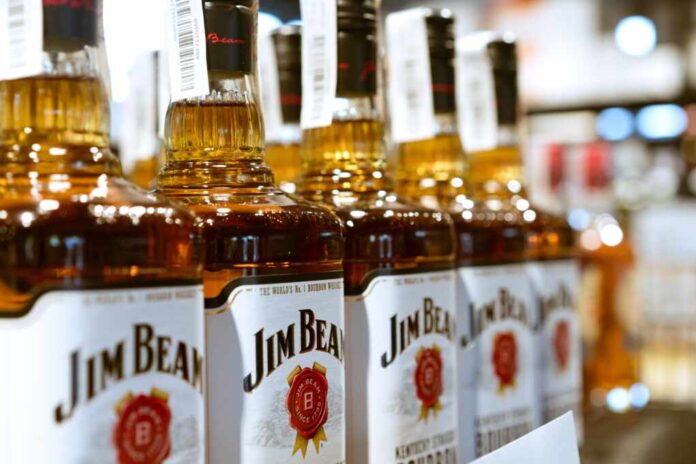
Jim Beam’s decision to shutter a distillery raises questions about the economic impact and regulatory pressures on the bourbon industry.
Story Highlights
- Jim Beam decides to close a major distillery, sparking economic concerns.
- The Bourbon industry faces regulatory and inflationary pressures.
- Closure impacts jobs, local economy, and industry trends.
- Conservative values emphasize free-market solutions and reduced regulation.
Jim Beam’s Distillery Closure Sparks Economic Concerns
Jim Beam, a cornerstone of the American bourbon industry, has announced plans to shutter one of its key distilleries in Kentucky. This decision has stirred significant concern among local communities and industry stakeholders. Although the specifics of the closure remain unclear, the potential impact on jobs and the local economy is undeniable. The move comes amidst broader challenges facing the bourbon industry, including rising production costs and regulatory pressures.
The closure’s ripple effect extends beyond the immediate job losses. Local suppliers and service providers, who rely on the distillery’s operations, face uncertain futures. The Kentucky state government, which benefits significantly from the bourbon industry’s economic contributions, must now grapple with potential revenue shortfalls. This situation underscores the broader economic challenges posed by regulatory and fiscal policies that affect industries nationwide.
Jim Beam Shutters Main Distillery For 2026 As Sales Falter Due To Trump Trade War https://t.co/BFgL3W1col pic.twitter.com/4fJiKDBeiD
— Mediaite (@Mediaite) December 22, 2025
Regulatory and Economic Pressures on the Bourbon Industry
The bourbon industry has long been a vital part of Kentucky’s economy, but recent years have seen a host of challenges. Inflation and rising production costs have strained distilleries, while regulatory compliance has added to operational burdens. These factors create an environment where even established brands like Jim Beam must make tough decisions to remain viable. The conservative perspective emphasizes the need for policies that support free-market solutions and reduce unnecessary regulations that hinder business growth.
Moreover, the closure highlights the importance of strategic planning and adaptation within the industry. As global markets evolve, American producers must navigate complex supply chains and shifting consumer preferences. Industry experts stress the need for innovation and efficiency to maintain competitiveness in the face of these challenges.
Impact on Local Communities and Industry Trends
For the communities surrounding the affected distillery, the closure represents more than just an economic setback; it is a challenge to local identity and tradition. The potential loss of jobs and reduced economic activity could have long-term effects on community stability and growth. In response, there is a call for strategies that support economic diversification and resilience, ensuring that communities can weather such disruptions.
In the broader context, the closure may signal a trend towards consolidation within the bourbon industry. As companies seek to optimize operations and resources, smaller players may struggle to compete. This scenario reinforces the need for policies that nurture small businesses and promote healthy competition, aligning with conservative values of entrepreneurship and innovation.
https://youtu.be/kQ3eprx0d1M?si=UE6F84NK0LmCdxOP
Sources:
Major bourbon maker shutters James B. Beam plant in 2026