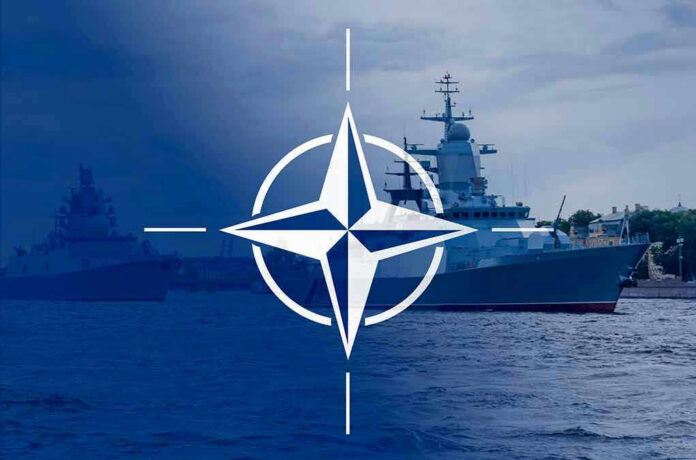
NATO said it is sending extra surveillance and forensic support to the Black Sea after drone strikes hit commercial ships near Bulgaria and Romania, and Bulgaria asked for more help.
Story Snapshot
- NATO announced added surveillance, reconnaissance, and forensic support after Black Sea drone strikes.
- Bulgaria formally asked NATO for air patrols and counter-drone systems to protect its coast.
- Recent attacks damaged ships, forced rescues, and triggered emergency talks among allies.
- NATO leaders pledged close cooperation with Black Sea allies as steps roll out.
NATO Moves After Drone Strikes Near Bulgaria and Romania
NATO stated it will deploy “additional assets” for surveillance, reconnaissance, and forensics after a series of maritime drone strikes off Bulgaria and Romania. A NATO spokeswoman announced the step following a meeting of alliance ambassadors in Brussels. The decision came after reports that ships were hit and crews evacuated in recent days. The move aims to improve awareness, collect evidence, and support allied responses along the Black Sea coast, a vital shipping link for regional trade.
Bulgaria’s leadership asked for more allied support as the incidents mounted. Bulgaria’s defense minister said the government requested aerial surveillance, air patrols, and counter-drone and air-defense systems. Officials said the exact mix of forces would be decided with allies. The request signals concern about protecting shipping and coastal infrastructure. It also shows a preference for defensive and monitoring tools that can help detect threats and gather evidence after attacks near national waters.
What We Know About the Ship Attacks and Rescues
Authorities and media reported drones struck commercial vessels near Bulgarian and Romanian waters, sinking at least one ship and prompting rescue operations. One Malta-flagged vessel’s 15 crew were evacuated after a strike, according to reports. Casualties and missing sailors drove urgency across the region. Bulgaria and Romania coordinated emergency responses as maritime traffic faced rising risk. These events set the stage for Bulgaria’s call to NATO and for the alliance’s added surveillance and forensic backing.
Bulgaria’s prime minister said the country does not yet have clear and conclusive evidence showing who carried out the strikes. That means NATO’s added work will likely focus on tracking patterns, collecting debris, and building a more complete picture. These steps can support future attribution and help deter further attacks. They also fit NATO’s broader practice of boosting watch missions when threats appear near allied territory, even before blame is formally assigned.
Why This Matters for Security, Trade, and Alliance Unity
The Black Sea is a key route for grain, fuel, and other goods. Shipping companies want to know if it is safe to sail. Faster detection and better forensics can help authorities warn ships sooner and harden high-risk areas. NATO has used airborne warning and control flights in the region since Russia’s actions in Crimea in 2014 and expanded them after the 2022 invasion of Ukraine, making today’s reinforcement part of a longer regional playbook for awareness and deterrence.
Bulgaria’s request also tests allied coordination. The public statement from NATO did not list specific aircraft, drones, or ships, and Bulgarian officials said details were still being worked out. That communication gap can happen when a fast response is needed while governments decide who sends what and when. Still, the alliance message to Black Sea members was clear: support is coming, and commanders will tailor tools to track threats and help hold attackers accountable through evidence.
Sources:
bgnes.com, nampa.org, fakti.bg, cepa.org, cbc.ca, worldpoliticsreview.com