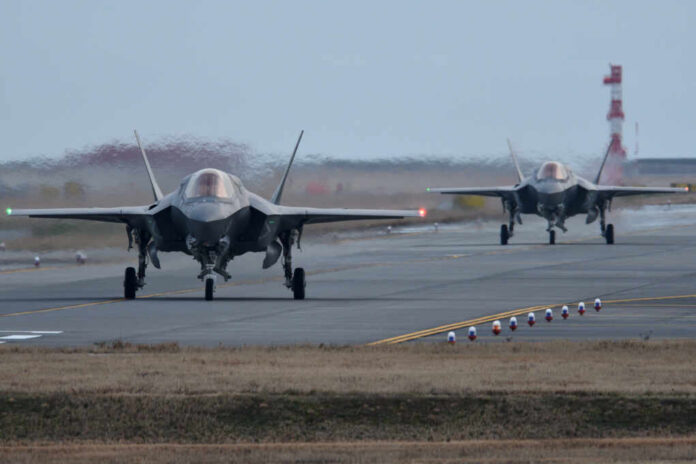
A coalition of activists is calling for the dismantling of the F-35 program, spotlighting the failures of a trillion-dollar military investment.
Story Highlights
- Defense reform activists and some policymakers push for ending the F-35 program.
- The F-35, an emblem of U.S. airpower, is criticized for its high costs and technical shortcomings.
- International allies reconsider or cancel F-35 purchases amid growing skepticism.
- Government reports admit the F-35 will not achieve its original goals, sparking debate.
Calls for Ending F-35 Program Intensify
In 2025, a coalition of defense reform activists, watchdog groups, and bipartisan policymakers are urging the U.S. government to dismantle the F-35 Joint Strike Fighter program. This movement gained momentum after a 2024 Government Accountability Office (GAO) report revealed that the F-35 would never meet its original performance goals, despite being the most expensive weapons program in history. Activists argue that the program’s persistent technical failures and exorbitant costs undermine U.S. defense readiness and fiscal responsibility.
The F-35 program was initially launched in the late 1990s with the aim of developing a versatile, cost-effective stealth fighter for the U.S. military and allied nations. However, since Lockheed Martin was awarded the contract in 2001, the program has been plagued by cost overruns, delays, and technical shortcomings. The “Block 4” modernization phase, which began in 2019, was supposed to deliver the full suite of promised capabilities but has been scaled back significantly, further fueling criticism.
F-35 – The continuing Saga
The F-35 programme remains a focal point of lively debate within the MilTwit community and beyond, eliciting a wide spectrum of perspectives, including my own.
This thread seeks to offer a balanced overview, tracing the aircraft’s brief history and… pic.twitter.com/fyy1Izmaoq
— MtarfaLee (@MtarfaL) November 1, 2025
Global Repercussions and Policy Debates
Internationally, the F-35’s struggles have led several countries to reconsider or cancel their orders. Spain recently ruled out buying the F-35, opting for European alternatives, while Switzerland is reevaluating its purchase amid political controversy and cost uncertainties. These developments could have major implications for U.S. defense policy and international relations, as allies’ decisions to cancel or delay purchases weaken the program’s economic and strategic viability.
Lockheed Martin, the program’s prime contractor, continues to defend the F-35, emphasizing ongoing international interest and the potential for future improvements. Meanwhile, the White House has framed arms sales as essential for the U.S. economy, despite facing increasing international pushback. The Department of Defense, caught between military requirements and political pressures, is under intense scrutiny from Congress and the public.
Implications for U.S. Defense and Economy
The potential curtailment of the F-35 program could result in significant economic and political fallout, including job losses in the defense industry and reduced U.S. influence in the global arms market. Additionally, the program’s failures have reignited debates over the U.S. defense procurement process and the wisdom of investing in complex, multinational weapons systems. Critics argue that the program exemplifies the risks of tying national security to a single, expensive, and underperforming platform.
Despite the setbacks, some proponents maintain that the F-35 still offers unique capabilities, and that incremental improvements could address its shortcomings. However, the growing consensus of dissatisfaction among international buyers and independent auditors suggests a need for reevaluation of the program’s future. As policymakers continue to debate the F-35’s fate, the program’s challenges underscore the broader issues facing U.S. defense strategy and spending.
Sources:
GAO report and program analysis
International buyer reactions and U.S. policy statements
European and Canadian buyer decisions