British police are finally rolling back a speech-policing tool that logged people as “hate” risks even when they broke no law, raising big questions about how far Western governments have already gone in criminalizing thought.
Story Snapshot
- UK police move to scrap most “Non-Crime Hate Incidents” after years of backlash over free speech abuses.
- Secretive records had tracked lawful speech and jokes, chilling dissent on issues like gender, immigration, and religion.
- Free speech advocates call the change “cautious optimism” but warn the surveillance mindset has not disappeared.
- The NCHI saga offers a stark warning for Americans about red-flag laws, DHS watchlists, and politicized law enforcement.
How UK Police Turned Lawful Speech into ‘Hate Incidents’
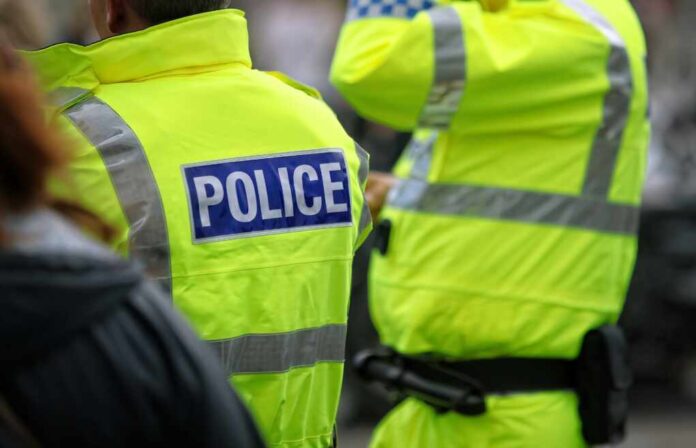
For years, British police quietly recorded so-called “Non-Crime Hate Incidents” whenever someone complained about speech they claimed was hostile toward a protected group, even when officers agreed no law had been broken. These entries went into databases that could appear in background checks, effectively punishing citizens for opinions, jokes, or social media posts that were entirely legal. Critics argued this practice created a two-tier system where feelings, not facts, dictated who ended up on a permanent watchlist.
The policy’s definition of “hate” rested on the “perception” of the alleged victim or even a third party, not on any objective standard. That meant a neighbor, activist, or anonymous complainant could trigger a police log simply by claiming offense. Once recorded, the target’s name was tied to a hate-related flag, with little recourse and no criminal threshold. This bureaucratic framework blurred the line between law enforcement and ideological enforcement, empowering officers to monitor opinions instead of crimes.
https://www.youtube.com/watch?v=lFTg_2jvcGs
Free Speech Pushback Forces a ‘Common Sense’ Retreat
The UK College of Policing now says it will all-but-abolish these Non-Crime Hate Incidents, after years of court challenges, public outrage, and work by groups like the Free Speech Union. Those campaigners describe “cause for cautious optimism,” stressing that the rollback is a step toward restoring basic liberties, not a complete fix. Their pressure exposed how NCHIs quietly punished dissent on hot-button issues such as transgender ideology, mass migration, and Islam, topics where elites aggressively police language.
Legal challenges showed that ordinary citizens had NCHIs logged for retweeting gender-critical views, questioning immigration policy, or sharing memes that activists deemed offensive. Judges eventually recognized that such records could seriously damage reputations and careers, especially in sensitive professions like teaching or policing. The new approach reportedly tightens thresholds so officers focus on genuine criminality instead of perceived slights. Yet free speech advocates emphasize that the same institutions that built this system still hold broad discretionary power.
Why This Matters Deeply to American Conservatives
For Trump-supporting Americans who watched the Biden-era bureaucracy label parents “extremists” and flag conservative posts to Big Tech, the UK’s NCHI saga feels uncomfortably familiar. A Western democracy allowed police to build files on people for lawful speech, then insisted it was a necessary tool for “safety” and “inclusion.” That is the same language used by U.S. agencies that pushed speech policing under the banner of fighting “misinformation,” “hate,” and “domestic extremism,” often aimed at the right.
Under President Trump’s current administration, many of those left-wing programs have been dismantled or defunded, but the lesson from Britain is that bad ideas rarely stay confined to one country. Once officials accept that hurt feelings justify government monitoring, pressure quickly grows to expand categories, from race and religion to gender identity, climate talk, and even skepticism of global institutions. Conservatives understand that free speech is not just another right; it underpins every other protection in the Constitution, especially religious liberty and the right to bear arms.
From ‘Non-Crime’ Files to Red-Flag Fears at Home
American gun owners should pay close attention to how a “non-crime” label can still have real-world consequences. In the UK, NCHIs tainted background checks, quietly steering employers away from politically incorrect applicants. In the United States, the wrong kind of flag in a database can feed red-flag laws, no-fly lists, or social credit-style banking decisions. If bureaucrats decide certain opinions signal “hate,” they can justify aggressive monitoring of conservatives, from gun forums to school board testimony.
Many readers remember how, during the Biden years, federal agencies worked with social media companies to throttle posts questioning COVID mandates, election integrity, or gender ideology. The UK experience shows the next logical step: not just throttling your speech, but logging your name in a semi-secret file for possible use later. That is why today’s rollback in Britain is welcome, but also a critical warning. Free nations must insist that the state punish crimes, not opinions, and that police never become enforcers of ever-changing woke dogmas.
Sources:
https://www.aol.com/articles/early-review-finds-mistakes-grooming-000100986.html