
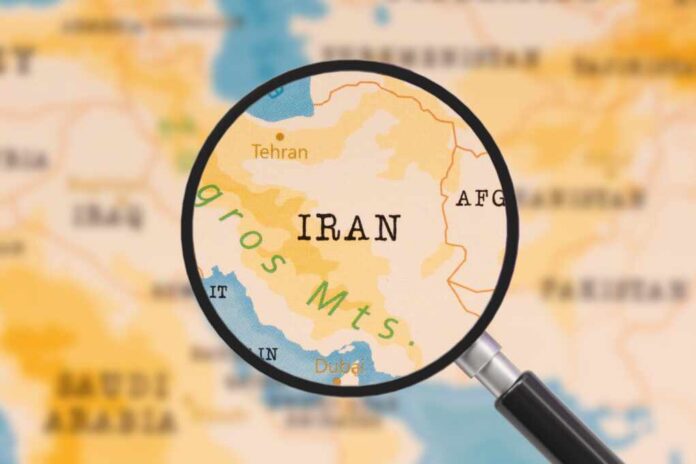
A new wave of unrest has engulfed Iran, reaching a critical juncture with reports of escalating protests and at least 16 fatalities. This internal crisis presents a formidable challenge to Supreme Leader Ayatollah Ali Khamenei and his regime, which has ordered a crackdown on the demonstrators. Simultaneously, the situation is challenging the credibility of U.S. military threats under President Donald Trump, forcing a reassessment of international tensions and regional stability. The domestic turmoil, compounded by economic grievances and external military pressure, places unprecedented strain on the Iranian leadership.
Story Highlights
- Iran faces escalating protests with at least 16 fatalities.
- Trump threatens military action if Iranian protesters are further harmed.
- Khamenei brands protesters as “rioters” and orders a crackdown.
- Iran announces a $7 monthly allowance in a bid to quell unrest.
Iran’s Internal Crisis: A Brewing Storm
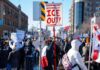
Protests in Iran have reached a critical juncture, entering their second week with reports of at least 16 casualties. These demonstrations represent a formidable challenge to Supreme Leader Ayatollah Ali Khamenei, who has ordered a crackdown, labeling the protestors as “rioters.” The unrest reflects deep-seated grievances within the country, compounded by economic hardships that the government attempts to address through a temporary financial relief plan offering $7 monthly allowances starting mid-January.
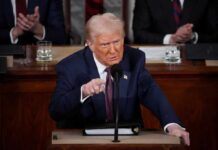
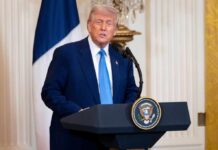
Meanwhile, President Donald Trump has raised the stakes by threatening Iran with severe military action if the violence against protesters continues. Trump’s warning, utilizing the phrase “hit very hard,” echoes a history of rhetoric that has not always resulted in action. However, the current context is different, given recent U.S. military actions, including the capture of Venezuelan President Nicolás Maduro, which have altered perceptions of Trump’s resolve.
Iran, at least 16 people were killed during protests & another 582 were arrested.
People are outraged by the government's policies, which have led to inflation, water shortages & power outages. pic.twitter.com/IInuUtEPEk
— NoHoldsBarred (@AussieSteve64) January 5, 2026
Global Implications of U.S.-Iran Tensions
Iran’s leadership finds itself in a precarious position. The regime’s strategic options are limited: escalating crackdowns could provoke U.S. intervention, while inaction might embolden protestors. Khamenei’s response to protests is further complicated by international pressures, with the European Union advocating for restraint and dialogue. Additionally, Israel, under Prime Minister Netanyahu, has signaled a readiness to respond severely to any Iranian aggression.
The credibility of Trump’s threats has evolved since his June 2025 directive for strikes on Iranian nuclear facilities. This history has contributed to a new level of uncertainty for Iran, forcing its leadership to take U.S. rhetoric more seriously. The situation underscores a shift from the previous “TACO” assumption—Trump’s threats as mere bluster—to a recognition of potential U.S. military engagement.
Impacts and Future Projections
The protests highlight broader economic discontent within Iran, as the $7 allowance appears insufficient to address fundamental economic issues. The government’s financial relief plan acknowledges these hardships but falls short of quelling the protests. The domestic unrest, coupled with the external military threat, places unprecedented pressure on the Iranian regime’s stability.
As the situation unfolds, the international community remains vigilant. The uncertainty surrounding Trump’s next moves adds a layer of complexity to an already volatile region. The possibility of military action, though not inevitable, serves as a deterrent, influencing Iran’s decision-making calculus. The outcome of these tensions could have significant implications for regional stability and U.S.-Iran relations moving forward.
Watch the report: Iran Protest: At Least 16 Dead Amid Largest Iran Protests In Three Years Over Inflation
Sources:
- Rights group reports protests in 174 locations across Iran in past week
- At Least 16 Dead in Iran After Week of Protests, Rights Group Reports – Modern Diplomacy
- Several reported killed in Iran protests over economic hardships | Reuters
- Death Toll Rises As Protests Continue Across Iran