As Chicago reels from another weekend of violence under Democrat leadership, a staggering 23 people were shot—raising urgent questions about failed policies and public safety in America’s cities.
Story Snapshot
- At least 23 people were shot in Chicago between Friday evening and Sunday evening, continuing a disturbing trend under Democratic governance.
- Shooting incidents were spread across multiple neighborhoods, with fatalities and numerous injuries shaking local communities.
- Despite official claims of declining crime, weekend violence remains a persistent threat to families and businesses.
- The event has reignited national debate over policing, public safety, and the consequences of progressive urban policies.
Violence Surges Despite Political Promises
Chicago, governed by Democratic officials, experienced yet another bloody weekend as at least 23 people were shot from Friday evening through Sunday. This pattern is not new: for years, violence has spiked on weekends and during warmer months, especially in neighborhoods hardest hit by poverty and gang activity. Despite promises from city leaders to address root causes, communities continue to suffer the consequences of ineffective leadership and policies that too often prioritize ideology over real public safety solutions.
Chicago’s mayor and police department released statements condemning the violence and outlining ongoing investigations. However, families in affected neighborhoods remain on edge, frustrated by a lack of meaningful change. While city officials point to investments in violence prevention and youth programs, the reality on the ground tells a different story—one where law-abiding citizens bear the brunt of failed policies, and emergency services are pushed to their limits week after week.
Democrat-Run Chicago: At Least 23 Shot Friday into Sunday Eveninghttps://t.co/4vjPMiPmlJ
— Karoline Leavitt (@PressSec) November 3, 2025
Political Leadership Under Fire as Crime Persists
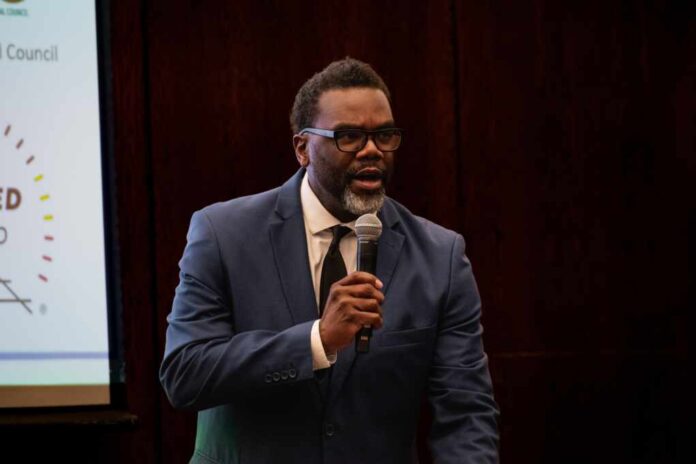
Mayor Brandon Johnson and the City Council, both under Democratic control, face mounting criticism from residents and national observers. Many blame these leaders for focusing on progressive reforms at the expense of effective crime control. Tensions between the police department and city hall over resource allocation and reform measures further complicate the response. As police unions demand more support and tools to tackle rampant gang violence, city officials attempt to balance public safety with calls for systemic reform—often leaving both sides dissatisfied and neighborhoods vulnerable.
Recent police data show a modest decline in overall violent crime compared to previous years, but weekend surges persist and continue to dominate headlines. Critics argue that these statistics do little to comfort families who live in daily fear or to reassure small businesses considering whether to remain in their communities. The repeated cycle of violence erodes community trust and undermines confidence in local government, fueling calls for fresh leadership and a return to law-and-order principles.
Socioeconomic Roots and Policy Shortcomings
Experts point to a combination of entrenched poverty, segregation, and the proliferation of illegal firearms as drivers of Chicago’s gun violence. While these issues are complex, critics contend that progressive policies have failed to address underlying problems or to empower law enforcement with the resources and authority needed to restore order. The debate has taken on renewed urgency as the national conversation shifts back to prioritizing the safety of American families and upholding constitutional rights—including the right to self-defense, which many feel is under threat from restrictive local gun laws.
Community organizations continue to push for systemic change, but their efforts are often hampered by limited resources and distrust between residents and law enforcement. Meanwhile, political leaders at the city and state levels face growing pressure to deliver real results, not just rhetoric. The persistent violence in Democrat-run Chicago stands as a cautionary example for cities nationwide—demonstrating the dangerous consequences of policies that, according to critics, put ideology above accountability and the well-being of citizens.
Broader Implications for Safety and American Values
The surge in shootings over a single weekend reflects broader issues plaguing many urban centers: weakened law enforcement, political infighting, and a misplaced focus on “woke” agendas rather than core values like family, community safety, and constitutional protections. For conservatives, Chicago’s experience is a stark reminder of why strong leadership, support for police, and policies rooted in common sense are essential to preserving order and protecting American families. As the nation observes these ongoing challenges, calls for a return to proven, pro-safety approaches grow louder—challenging leaders to reject failed experiments in favor of policies that truly defend the rights and security of all citizens.
Chicago’s most recent wave of violence is not an isolated incident, but part of a deeply troubling trend that demands urgent attention. As Americans weigh the impact of local policies on their daily lives, many are looking to new leadership for solutions that respect constitutional rights and restore order in communities that have endured far too much for far too long.
At least 23 people were shot, two of them fatally, Friday into Sunday evening across Democrat-run Chicago, bringing the yearly total to 347 shot. Meanwhile, instead of accepting President Trump’s Federal help for this tragic violence, Mayor Brandon Johnson continues to make… pic.twitter.com/pRJqWFQQFx
— David Burke 🇺🇸 (@ConservativeTht) November 3, 2025
Sources:
Gun Violence Archive: Number of Gun Deaths
Chicago Police Department CompStat Reports
Chicago homicides 2025: 359 people killed
CBS News Chicago: Gun Violence
ABC7 Chicago: Chicago Shootings Summer 2025 Live Updates