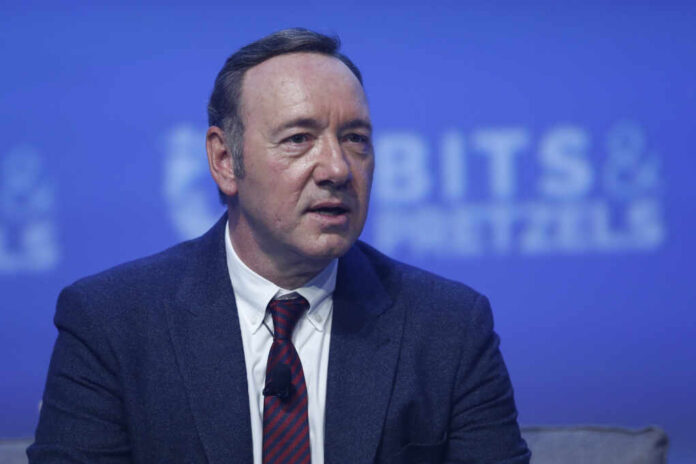
Media sensationalism strikes again as a major newspaper distorts the facts, prompting a public rebuke from actor Kevin Spacey and reigniting the debate over journalistic ethics. The controversy began when The Telegraph published a misleading headline claiming Spacey was “homeless.” The actor quickly countered the claim in a video, clarifying his stable living situation and highlighting the growing problem of sensationalist reporting and its impact on public trust.
Story Highlights
- The Telegraph published a misleading headline claiming Kevin Spacey is “homeless,” sparking controversy.
- Spacey released a video directly countering the claim, emphasizing his ongoing work and stable living arrangements.
- The controversy highlights the growing problem of sensationalist journalism and its impact on public trust.
- Officials and commentators are calling out the ethical failures of media outlets in pursuit of attention.
Sensationalist Headlines Undermine Public Trust
The Telegraph, a leading British newspaper, published an article on November 20, 2025, with the headline “Kevin Spacey is now homeless,” quoting Spacey as saying he “literally has no home.” This framing immediately drew criticism for implying that Spacey was destitute and suffering from personal hardship. The story leveraged Spacey’s controversial reputation to attract attention, reflecting a broader trend in media toward sensationalism. Such tactics erode public trust in journalism and fuel frustration among readers who value factual reporting and accountability.
Watch: Kevin Spacey Slams The Telegraph for Its ‘Knowingly Misleading Headline’ that He’s Homeless https://t.co/tCrXFPI2Uq
— Steve Ferguson (@lsferguson) November 25, 2025
On November 23, Spacey responded with a video posted on X (formerly Twitter), stating, “I feel it would be disingenuous of me to allow you to believe that I am indeed homeless in the colloquial sense.” He clarified that his busy work schedule has kept him moving between hotels and Airbnbs, but he is far from destitute. Spacey emphasized his gratitude for continued opportunities and described working nearly nonstop throughout the year. His direct rebuttal bypassed traditional media channels, signaling a shift in how public figures defend themselves against misleading coverage.
Media Ethics and the Power of Direct Communication
This episode underscores the adversarial relationship between celebrities and the mainstream press, especially when headlines intentionally distort the facts for maximum impact. By speaking out on social media, Spacey challenged the narrative presented by The Telegraph and put pressure on the outlet to address its ethical lapses. Media ethics scholars and industry analysts have weighed in, noting that while Spacey’s statement may not meet the legal definition of defamation, the newspaper’s headline was clearly misleading. Lulu Cheng Meservey, a respected commentator, called the incident “super embarrassing” for the publication, emphasizing the importance of accurate reporting.
The controversy has sparked widespread discussion about journalistic responsibility and the growing influence of direct communication platforms. As more public figures bypass traditional outlets to set the record straight, mainstream media faces increasing scrutiny. Readers—and especially conservatives wary of media manipulation—are demanding higher standards and greater accountability from news organizations. This aligns with broader calls for transparency and common sense in public discourse, echoing frustrations over political and cultural distortions seen in recent years.
Impact on Media Credibility and Public Discourse
The fallout from The Telegraph’s headline extends beyond Spacey’s personal reputation. Media outlets risk long-term damage when they prioritize sensationalism over truth. The public, already skeptical after years of polarized reporting and agenda-driven coverage, is quick to criticize unethical practices. For conservative Americans, this episode is a familiar reminder of the need to safeguard values like honesty, fairness, and personal responsibility—principles often undermined by irresponsible journalism.
The entertainment industry, too, faces pressure to reconsider how it handles celebrity scandals and media narratives. As Spacey continues to defend his career and reputation, advocates for media accountability are seizing the moment to demand reforms. Whether The Telegraph issues a correction or apology remains uncertain, but the incident has already fueled important conversations about the role of the press and the power of individuals to push back against misleading information.
Watch the report: Kevin Spacey Says The Homeless Headline Got Twisted
Sources:
Kevin Spacey corrects ‘homeless’ rumors, slams‘ misleading headline’ | The Independent
Kevin Spacey clarifies his ‘homeless’ status
Kevin Spacey Clarifies ‘Homeless’ Comment, Slams Rumors – Mandatory
Who accused Kevin Spacey of assault? Inside the allegations as actor clarifies homeless comment