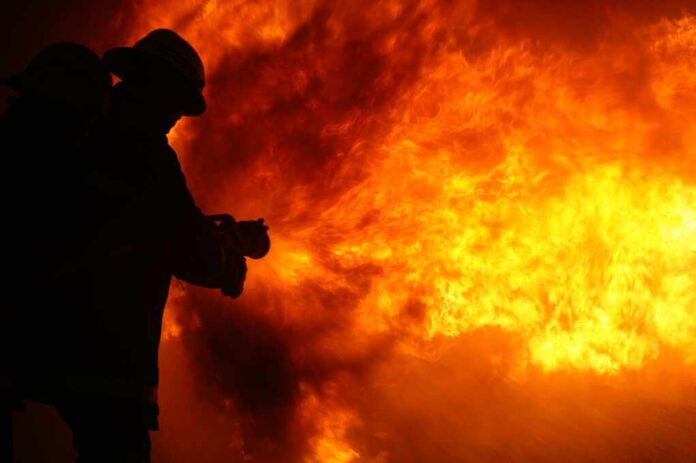
A deadly nightclub fire in India’s tourist paradise of Goa has claimed 25 lives and exposed a shocking web of regulatory corruption that allowed an illegal establishment to operate despite official demolition orders.
Story Snapshot
- Fire at Birch by Romeo Lane nightclub kills 25 people, mostly staff plus tourists from Delhi
- Club operated illegally despite demolition notices from coastal authorities that were improperly stayed
- Local village official arrested alongside club owners, suggesting corruption in safety oversight
- Single narrow exit and isolated location hampered evacuation and emergency response efforts
Regulatory Failure Enabled Deadly Fire
The December 6 fire at Birch by Romeo Lane nightclub in Arpora, North Goa, occurred at a venue that should never have been operating. Both the local village government and Goa Coastal Zone Management Authority had issued demolition notices for the establishment. However, the Directorate of Panchayats stayed these orders on appeal, allowing the club to continue hosting packed events despite serious safety and zoning violations.
Structural Design Created Death Trap
The nightclub’s layout proved catastrophic when firecrackers apparently triggered the blaze around 11:45 p.m. during a crowded “Bollywood Banger Night” event. With only a single narrow entrance and exit, over 100 patrons and staff found themselves trapped as flames rapidly engulfed the building. The venue’s location on an island forced firefighters to park 400 meters away, delaying critical response efforts for nearly two hours.
Government Officials Arrested in Corruption Probe
Goa police have arrested not only club owners Saurabh and Gaurav Luthra and multiple managers, but also local village head Roshan Redkar. The arrest of the village official signals potential corruption or criminal negligence in allowing the illegal operation to continue. Chief Minister Pramod Sawant publicly declared the club was running “illegally” and promised “most stringent action” against those responsible for the tragedy.
Victims Highlight India’s Worker Safety Crisis
Of the 25 victims, approximately 20 were low-wage staff members from poor Indian states including Jharkhand, Uttarakhand, and Maharashtra, plus one worker from Nepal. Four tourists from a single Delhi family also perished in the blaze. The disproportionate impact on migrant workers underscores the dangerous conditions many face while serving affluent tourists in India’s hospitality industry.
India: Goa nightclub fire kills 25 staff and tourists – BBC News https://t.co/0KIB9egBzC
— JaganVaman (@VamanJagan) December 8, 2025
This tragedy exposes a familiar pattern across India where building fires repeatedly claim lives due to weak enforcement of safety regulations. Despite having fire codes on paper, chronic under-enforcement and potential corruption allow dangerous venues to operate until disaster strikes. The sequence of demolition orders followed by bureaucratic stays demonstrates how local economic interests can override public safety through regulatory capture.
Sources:
2025 Arpora nightclub fire