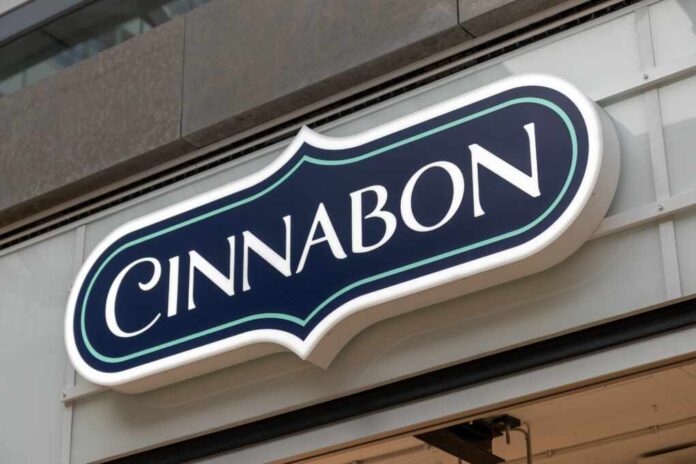
A Cinnabon employee’s on-camera controversial meltdown has sparked dueling fundraisers that reveal the true battle lines in America’s cultural war. While the fired worker’s supporters have raised over $100,000, her victims struggle to reach $4,000, highlighting widespread public frustration with corporate “cancel culture” and deep societal divisions over immigration and identity politics.
Story Snapshot
- Crystal Wilsey fired after viral video shows her using N-word and mocking hijab-wearing Somali customers.
- Pro-Wilsey fundraiser on GiveSendGo raises $100,000+ while couple’s GoFundMe barely reaches $3,600.
- Incident highlights broader anti-Somali sentiment following increased immigration to Midwest.
- Corporate America’s knee-jerk reaction prioritizes brand protection over understanding full context.
Corporate Cowardice Meets Cancel Culture
Crystal Terese Wilsey’s December 5 confrontation with Somali customers at an Ashwaubenon, Wisconsin Cinnabon ended her employment within days, demonstrating how quickly corporations abandon employees when viral videos threaten brand image. Cinnabon’s franchise owner immediately terminated Wilsey after the TikTok video spread, with corporate headquarters issuing the predictable statement that her actions “do not reflect our values or the welcoming experience every guest deserves.” This rush to judgment reflects the broader pattern of corporations sacrificing individual employees to protect themselves from social media backlash, regardless of workplace context or employee grievances.
The incident began when a Black Somali Muslim couple ordered a caramel pecan cinnamon roll and requested extra sauce, leading to an escalated argument that culminated in Wilsey using racial slurs, making obscene gestures, and stating “I am racist, and I’ll say it to the whole entire world.” While Wilsey’s language was clearly inappropriate and unprofessional, the viral video phenomenon creates a one-sided narrative that often excludes crucial context about what transpired before cameras started rolling.
In Wisconsin, Somali illegals threatened Crystal with violence at her job,for not wearing a hijab. She repsonded by telling them to fück off and called them ni**ers. @Cinnabon ended up firing her for being racist towards the poor, innocent Somalis. https://t.co/doW5OJzRpw
— Dylan McKay (@LGDylanMcKay) December 7, 2025
Fundraising Disparity Reveals Cultural Divide
The stark contrast in fundraising success tells the real story about where American sympathies lie. By December 8, Wilsey’s “Stand With Crystal” GiveSendGo campaign had raised over $100,000 of its $109,000 goal, while the Somali couple’s GoFundMe struggled to reach $3,600 of their $45,000 target. This dramatic disparity suggests widespread frustration with corporate virtue signaling and sympathy for workers who face impossible customer service situations without employer backing.
The GiveSendGo campaign describes Wilsey as a “hardworking White mom doing her job at Cinnabon” who faced “intimidation” from “Two Somali customers,” arguing that “No White person should lose their job for refusing to be harassed by Somalians.” This framing resonates with Americans who believe the pendulum has swung too far toward protecting certain groups while abandoning working-class employees who deal with difficult customers daily.
Immigration Tensions Surface in Midwest Communities
The Ashwaubenon incident reflects deeper tensions surrounding Somali refugee resettlement in Midwest communities since the 1990s. Wisconsin and Minnesota have absorbed significant Somali populations, creating cultural friction in previously homogeneous areas where longtime residents feel their concerns about integration and cultural differences are dismissed as racism. These legitimate community concerns deserve acknowledgment rather than immediate condemnation.
Media coverage attempts to connect this isolated incident to broader political rhetoric, citing President Trump’s previous comments about Somali immigration and Representative Ilhan Omar. However, this connection oversimplifies complex local dynamics and ignores legitimate questions about immigration policy, cultural assimilation, and the challenges facing both established communities and new arrivals navigating different cultural expectations.
Pattern of Viral Justice Lacks Due Process
Wilsey’s case follows a disturbing pattern where viral videos instantly destroy livelihoods without consideration for context, mental health issues, or workplace pressures. The ability to record and instantly broadcast confrontations creates a permanent punishment system that exceeds reasonable consequences for workplace misconduct. While Wilsey’s language was inappropriate, the viral mob justice system undermines traditional concepts of proportional discipline and second chances that built American society.
The fundraising success for Wilsey demonstrates growing pushback against this viral justice system, particularly when it appears to protect certain communities while destroying others. Americans increasingly question why some groups receive immediate corporate protection and media sympathy while working-class employees face instant termination and public shaming for isolated incidents during stressful confrontations.
Watch the report: Crystal Wilsey ID’d as Cinnabon Employee Fired for Calling Somali Customers the N-Word in Viral Clip
Sources:
Cinnabon Employee Fired After Admitting to Being Divisive in Viral Social Media Video
Cinnabon Employee Uses N-Word in Viral Video, Company Responds