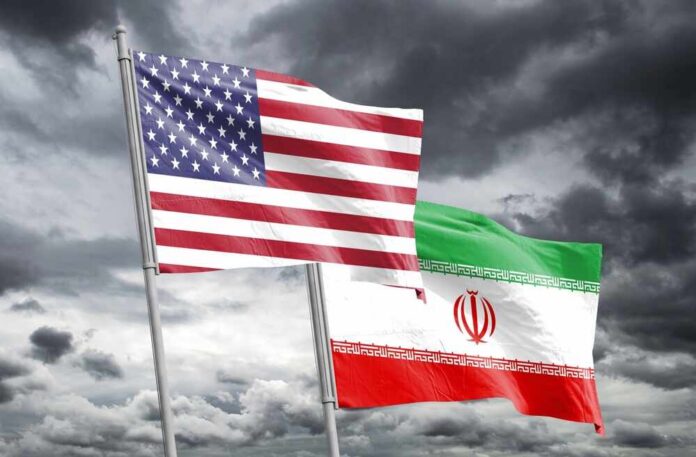
A top U.S. counterterrorism official resigned in protest over President Trump’s Iran war, claiming no imminent threat existed—raising serious questions about whether this administration rushed into conflict or is righteously dismantling a regime that has threatened American interests for decades.
Story Snapshot
- Joe Kent, Director of National Counterterrorism Center, resigned on Day 12 of the U.S.-Iran war, stating Iran posed no imminent threat to America
- U.S. airstrikes killed senior Iranian leader Ali Larijani, decimating Tehran’s remaining top leadership as Trump declares the war “pretty much complete”
- Defense Secretary Pete Hegseth promised the “most intense day of strikes” while war costs mount and six U.S. service members died in an Iraq aircraft crash
- ISIS-inspired domestic attacks hit Old Dominion University, a Michigan synagogue, and NYC’s mayor’s home amid escalating regional instability
Resignation Signals Internal Dissent on War Strategy
Joe Kent resigned immediately from his position as Director of the National Counterterrorism Center on March 17, 2026, citing his belief that Iran presented no imminent threat to the United States. Kent’s resignation echoes historical precedent, with CBS host Major Garrett comparing it to Cyrus Vance’s resignation under President Carter, though the ideological contexts differ sharply. The departure exposes friction within the administration as Trump pursues aggressive military action against Tehran’s regime. Senator Ted Cruz defended the administration’s approach, while political strategists Tim Chapman and Hyma Moore assessed the war’s messaging challenges for public consumption.
Iranian Leadership Decimated as Strikes Intensify
U.S. forces killed Ali Larijani, one of Iran’s most senior remaining regime leaders, in a missile strike confirmed by Iran’s Supreme National Security Council. The March 17 airstrike represents a continuation of Trump’s strategy to eliminate Tehran’s command structure, with the president declaring “practically nothing left” to target. Defense Secretary Pete Hegseth vowed to deliver the most intense strikes yet, signaling no letup despite mounting casualties. Trump characterized Iran as a “cancer” requiring eradication, framing the conflict as essential to regional security rather than optional intervention. This approach aligns with conservative priorities of decisively confronting threats rather than allowing hostile regimes to rebuild strength.
American Casualties and Domestic Terror Concerns Rise
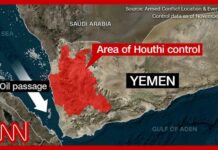
Six U.S. service members died in an aircraft crash in Iraq on March 13, underscoring the human cost of operations in the region. Beyond battlefield losses, ISIS-inspired attacks struck Old Dominion University, a Michigan synagogue, and the home of New York City Mayor Mamdani, raising alarm about domestic security as foreign conflicts generate ripple effects. These incidents validate conservative concerns about how Middle East instability exports violence to American soil, threatening families and communities. The administration lifted sanctions on Russian oil while calling on allies to secure the Strait of Hormuz, complicating energy market dynamics and geopolitical relationships as Russia reportedly provides intelligence assistance to Iran.
War Costs and Strategic Questions Mount
Trump’s March 9 declaration that the war was “pretty much complete” preceded continued intensive operations, with Day 12 updates revealing ongoing strikes and escalating financial burdens. The conflict’s costs remain a concern for fiscal conservatives already frustrated by years of Biden-era overspending and inflation from mismanaged budgets. Iran’s new supreme leader issued his first statement amid the devastation, while Trump urged international partners to assist with securing critical oil shipping lanes through the Strait of Hormuz. The administration’s messaging emphasizes near-total victory over Iranian leadership, though Kent’s resignation suggests disagreement over whether the threat justified full-scale war. This debate reflects enduring conservative tensions between non-interventionist restraint and confronting adversaries decisively before they grow stronger.
Sources:
3/17: The Takeout with Major Garrett – CBS News
The Takeout with Major Garrett – Fubo TV
The Takeout with Major Garrett – Spotify
The Takeout Video Playlist – CBS News
3/13: The Takeout with Major Garrett – CBS News