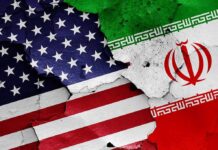

Washington’s promise of the “toughest sanctions in history” on Iran collides with Tehran’s tanker blacklists, raising the risk of a costly showdown at the world’s oil chokepoint.
Story Snapshot
- Treasury plans severe new measures to choke Iran’s money flows and avoid wider war.
- U.S. cites shadow shipping networks that move oil and fund hostile activity.
- Iran blacklisted 45 tankers and threatened fines, detention, and cargo seizures.
- Experts say sanctions often hit economies hard but deliver mixed strategic results.
What Washington Announced And Why It Matters
U.S. Treasury Secretary Scott Bessent said the United States will impose the “toughest sanctions in history” on Iran. He framed the move as financial pressure to reduce the need for larger military operations. The State Department said the effort targets entities that helped Iran move “hundreds of millions of dollars,” including oil revenues, despite past bans. Officials said the goal is to cut off cash that funds destabilizing acts and to close gaps in enforcement that let money flow anyway.
The Treasury Department pointed to a “shadowy network of vessels, shippers, and brokers” that helps Iran sell oil and dodge penalties. Earlier actions already targeted petroleum and shipping firms involved in crude transport and Strait of Hormuz activity. Together, the new steps build on that structure. The message is clear: Washington plans to squeeze the trade routes, middlemen, and banks that keep Iran’s oil money moving, while warning third parties to steer clear.
How Tehran Is Pushing Back At Sea
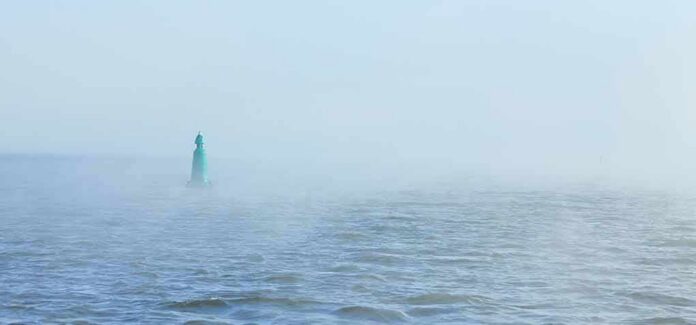
Iran announced it blacklisted 45 tankers it said broke its Strait of Hormuz rules. Tehran warned it would fine, detain, or seize cargo from any vessels linked to those ships. Reports also noted threats toward shippers that transfer loads with the blacklisted fleet. This response shows Iran is not only messaging. It is using the strait itself, which carries a big share of the world’s oil, as leverage against pressure on its economy and energy exports.
Iran’s Foreign Ministry also blasted the United States policy as “economic warfare” and an illegal reach over other nations. Officials argued that secondary sanctions violate the United Nations Charter’s equality of states. They said Washington is trying to force foreign banks and companies to follow U.S. rules outside U.S. borders. That claim seeks to turn global opinion against enforcement, especially in places that want Iranian oil or value non-aligned trade.
What We Know, What We Don’t, And Why Americans Should Care
Bessent’s claim that tougher sanctions can avoid war sets a high bar that only results can prove. The final text of the new package, its target list, and any humanitarian carve-outs were not yet public in the cited record. That gap limits what we can confirm about scope and safeguards. The record does show a steady build of Iran-related designations and a focus on oil shipping and brokers, which suggests a tight, enforcement-first design.
9 AM Top-of-the-Hour News
Treasury Secretary Scott Bessent will lay out details today of major new sanctions against Iran. Worldwide News Network’s Stacy Lyn reports from Washington.: “The Trump administration is preparing what Treasury Secretary Scott Beset calls an economic… pic.twitter.com/2BqjelSBLn
— Worldwide News Network (@WorldwideNNX) August 24, 2026
Research on Iran sanctions shows a pattern: heavy economic pain, mixed strategic effect. Studies and policy reviews find sanctions can cut oil exports, shrink growth, and drain state revenue, yet still fall short of forcing the desired policy change. That history will color how both allies and markets react now. For Americans who feel the system favors insiders, the stakes are simple: if enforcement is leaky or goals are vague, costs rise while results lag, and families pay at the pump.
What To Watch Next
Watch for the official Treasury and Office of Foreign Assets Control package, including named entities, vessel designations, and any general licenses. Look for signs that insurers, shippers, and banks step back from risky routes. Track Iran’s next moves in the strait, especially any detentions or cargo seizures that lift shipping rates. Finally, watch fuel prices. If tension lifts oil costs, it will hit family budgets fast, even as Washington says sanctions are the path to avoid a larger fight.
Sources:
reason.com, aljazeera.com, state.gov, home.treasury.gov, ilam.iqna.ir, iranintl.com, tehrantimes.com, consilium.europa.eu