

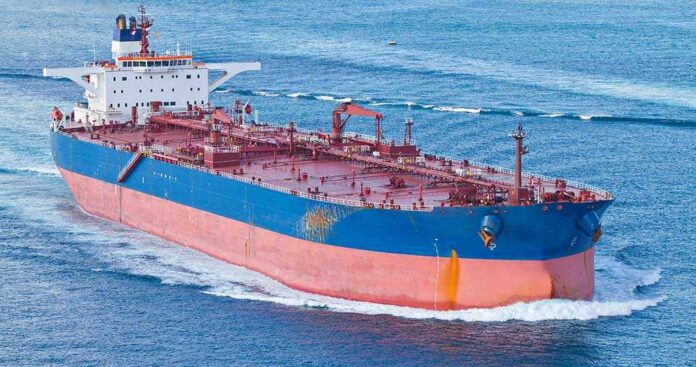
A U.S. fighter jet disabled a Panama-flagged cargo ship’s engines in the Gulf of Oman after repeated warnings to obey a renewed blockade on Iran, according to U.S. Central Command.
Story Highlights
- Central Command says a U.S. jet struck the ship’s stern with a precision weapon and spared the crew.
- The ship was identified as M/V Ocean Molica, also listed as Arika Sun, sailing after leaving an Iranian port.
- Officials say the action is part of an ongoing blockade effort that has redirected 130 vessels.
- Guidance to mariners includes monitoring notices and keeping contact on Channel 16 with U.S. forces.
What The Military Says Happened
U.S. Central Command (CENTCOM) reported that on October 10, 2026, forces disabled a commercial cargo vessel that tried to run the blockade near Iran. The command identified the ship as the Panama-flagged M/V Ocean Molica, also known as Arika Sun. Officials said the ship ignored repeated warnings and continued on a course that would breach the blockade. A U.S. fighter jet then hit the ship’s stern with a precision munition to stop its propulsion and avoid harm to the crew.
CENTCOM stated the ship had departed an Iranian port before entering the Gulf of Oman. The command framed the action as a measured step to enforce declared limits on traffic linked to Iran. The account said crews across the region have been told to watch official maritime notices, maintain bridge-to-bridge contact on Channel 16, and follow navigational directions from U.S. naval units in the area. The military said those steps are designed to prevent escalation and reduce risk to merchant sailors.
The Blockade And Enforcement Track Record
CENTCOM has presented the blockade as an ongoing campaign, not a one-off strike. The command has said enforcement resumed on July 14 and continues in the Gulf region. By early October, U.S. forces reported redirecting 130 commercial vessels. Public statements describe several prior disabling operations as part of this effort, with the Ocean Molica action counted as the next in that series. Officials say humanitarian shipments that meet rules have been allowed to pass.
Blockade enforcement, as described by CENTCOM, uses radio warnings, instructions to change course, and, when needed, precision force to stop a vessel that refuses to comply. The military says this structure aims to keep shipping lanes predictable for lawful traffic while stopping prohibited voyages. The command’s messaging stresses that the goal is disruption of propulsion rather than damage to the hull or harm to crews, to reduce the chance of fire, spill, or casualties during an interdiction.
Why This Matters For Commerce And Law
Maritime blockades are a known tool in conflict and pressure campaigns. The San Remo Manual, often cited in naval law discussions, says a valid blockade should be declared with clear limits and can permit capture of ships trying to breach it. It also notes that force may be used against a merchant vessel only after warning and when the ship clearly resists capture. These standards shape debates over how states police sea lanes during crises.
Shipping companies, crews, and insurers track these events closely. War-risk insurance premiums, routing choices, and cargo costs can change fast after a single high-profile action. When navies and coast guards redirect or disable vessels, owners often face delays, repair needs, and higher costs. Over time, these pressures can ripple through fuel prices, food shipments, and consumer goods, raising costs far from the incident zone. That is why clear rules, reliable notices, and rapid de-escalation matter for everyone who relies on stable trade.
What Officials Urge Mariners To Do Now
Officials urge ship masters to keep radio contact with U.S. naval forces, read Notices to Mariners, and follow broadcast warnings in the region. They say compliant commercial and humanitarian traffic can continue to move when it follows instructions. The stated aim is to separate permitted voyages from prohibited ones before a vessel comes near restricted waters, which lowers the chance that a warning turns into a disabling action at sea.
The military’s account places the Ocean Molica incident inside a larger, months-long enforcement pattern. The message is plain: ships that heed warnings and routing changes will pass; ships that push ahead risk being stopped. While public reports describe the operation and its goals, they do not address every legal and operational document tied to the blockade. The core reported facts remain that a U.S. aircraft disabled a cargo ship’s propulsion and that no crew injuries were reported.
Sources:
thegatewaypundit.com, forth.news, news.cgtn.com, kuwaittimes.com, timesofisrael.com, rferl.org