
New camera footage shows a Russian strike blasting a Kharkiv grocery store and street, killing and injuring civilians in seconds.
Story Snapshot
- CCTV video captured a Russian strike hitting a grocery store and residential street in Kharkiv.
- Ukrainian officials reported multiple civilian casualties, including children, from guided aerial bombs.
- Human rights monitors have tracked rising civilian harm in urban areas from aerial bombs and long-range strikes.
- The incident fits a broader pattern of civilian risk as the war grinds on near cities and towns.
What the new footage shows and what officials reported
Al Jazeera reported new surveillance video that shows a blast slamming a residential street and grocery store in Kharkiv on October 11, followed by fire and debris. Local officials said the attack killed three people and injured about 20, including children. Other outlets described guided aerial bombs striking the Nemyshlianskyi district the same day, killing a 35-year-old woman and injuring ten civilians, including a seven-year-old boy. Russian forces also hit other sites in the region that weekend, according to regional updates.
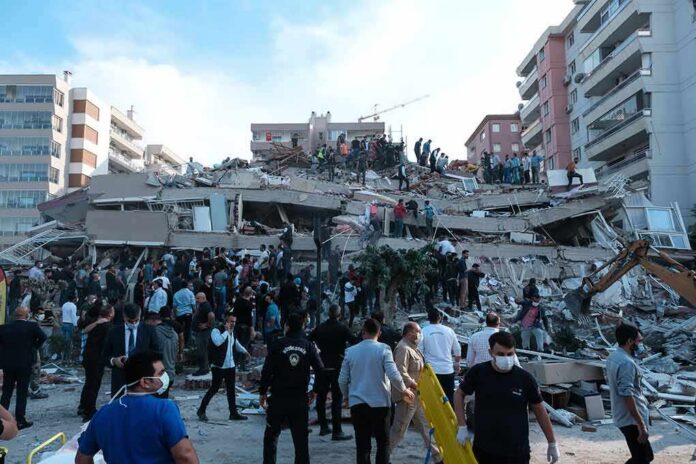
Journalists and emergency crews filmed the aftermath: shattered storefronts, burned cars, and homes with blown-out windows. These images match prior strikes in Kharkiv that hit residential blocks and small businesses. International wires and video platforms amplified the clip, underscoring how often civilians pay the price when explosive weapons land in crowded areas. This incident adds to a steady stream of similar reports from Kharkiv since the war’s early months.
Why this strike matters beyond one street
United Nations monitors documented a surge in civilian casualties in 2025, driven by long-range strikes in urban areas. In June alone, 1,575 civilians were killed or injured, with more than half harmed by missiles and loitering munitions in cities. In July, aerial bombs were linked to 276 civilian casualties, more than double June’s total from that weapon type. These numbers place the Kharkiv grocery strike within a broader pattern of rising harm from heavy blasts near homes, shops, and public services.
Human rights groups and regional watchdogs have warned that repeated attacks near civilian sites suggest failures to take basic precautions. An Organization for Security and Co-operation in Europe-linked report assessed that Russian forces repeatedly fell short of core rules meant to protect civilians, conduct that may amount to war crimes. Amnesty International detailed earlier strikes in Kharkiv, including hits on a kindergarten, which left children terrified and buildings in ruins. These records help explain the public anger each time a market, home, or school is struck.
The local toll in Kharkiv and the strain on daily life
Wire photos and local reports from October show residents in Kharkiv grieving over bodies, clearing rubble, and boarding up homes after airstrikes. Ukrainian officials have also reported deadly missile and bomb attacks across the wider Kharkiv region in 2026, with deaths that include children. Combined with rolling power cuts and damaged clinics, each new hit makes normal life harder. Parents keep kids indoors. Shops shorten hours. People plan errands around sirens and the fear of another blast.
Kharkiv has lived with this threat for months on end. The city sits close to the front, and its neighborhoods fall within range of aircraft and drones. Local leaders say repeated hits on streets and businesses sap work, schooling, and health care. When a grocery store is struck, it is more than one tragedy. It is a blow to the block’s food supply, to nearby jobs, and to basic trust that the morning market run will end at home and not in an ambulance.
The larger stakes for the world watching
United Nations officials have urged all sides to stop hitting civilians and to reopen paths for talks, citing steady casualty reports across multiple regions of Ukraine. Human Rights Watch described how attacks on busy shopping areas killed dozens earlier in 2025, showing the risk when battles move into dense, lived-in places. For Americans watching from afar, these scenes tap a shared worry: regular people are paying for choices made by leaders and power brokers far from the blast sites.
Putin hit Ukrainian gas and power after Trump’s energy ceasefire post, and Zelensky says Kyiv held its own fire overnight. Monday, Fox. We are ready today, as President Trump said. I am not sure Putin is. Even after yesterday’s messages, he attacked our gas infrastructure. Of… pic.twitter.com/Hosoqy41g3
— NRAW (@unownz2pd) October 12, 2026
That worry cuts across left and right. Many conservatives see a world where wars drag on and borders feel less secure. Many liberals see everyday families trapped by violence and shrinking chances. Both sides see elites who talk while towns absorb the hits. The Kharkiv footage does not solve policy fights. It does something simpler. It shows what happens when explosive force meets a sidewalk outside a store, and why rules meant to protect civilians matter in practice, not only on paper.
Sources:
facebook.com, aljazeera.com, kyivpost.com, kyivindependent.com, amnesty.org, apnews.com, tbsnews.net, understandingwar.org, news.un.org, dppa.un.org