

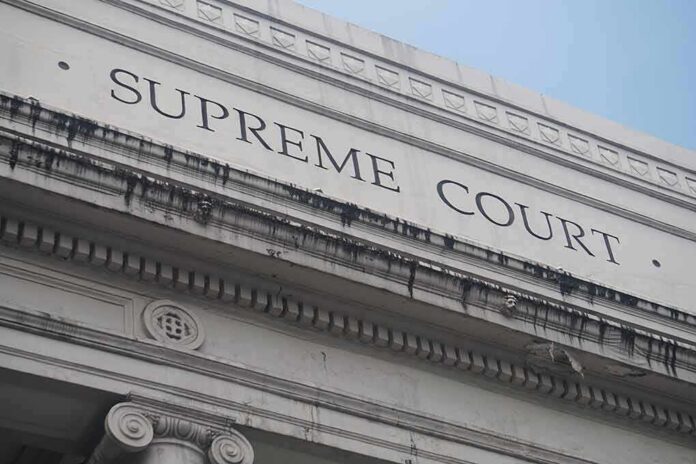
Brazil’s top court barred Senator Flávio Bolsonaro from leaving the country and ordered him to surrender all passports within 24 hours, then canceled them after the deadline reportedly passed.
Story Snapshot
- A Supreme Federal Court justice ordered Flávio Bolsonaro to hand over all passports and not leave Brazil.
- The order covered ordinary, diplomatic, and any foreign passports, with a 24-hour deadline.
- Reports say he missed the deadline and police canceled the passports afterward.
- Bolsonaro said he would comply but called the move political and denied plans to flee.
What The Court Ordered And Why It Matters
On October 26, 2026, Supreme Federal Court Justice Alexandre de Moraes ordered Senator Flávio Bolsonaro to surrender his passports within 24 hours and banned him from leaving Brazil. The order is tied to a money laundering investigation that also names lawyer Willer Tomaz. The ruling reportedly required delivery of all travel documents, including any foreign passports. The measure aimed to reduce flight risk during the inquiry and to keep Bolsonaro available to investigators.
Brazilian outlet G1 reported that the justice’s order canceled all Brazilian passports, including a diplomatic one, and required delivery of any from other countries. South Korean broadcaster SBS described the same scope and added that federal police would flag a departure alert in Brazil’s immigration system. These details show how judges can block exits in high-profile probes and how police systems then enforce the travel ban at the border.
Reports Of A Missed Deadline And Cancellation
Reuters, as carried by the Economic Times, reported the senator did not meet the 24-hour deadline to hand in the documents. The same report said the passports were then canceled, making them invalid for travel. This sequence suggests the court treated surrender and cancellation as linked steps. The reporting relies on sources familiar with the matter, and full police paperwork has not been published in the cited coverage.
The justice’s action followed the presidential runoff, which Bolsonaro lost. That timing has fueled public debate in Brazil over whether the court acted for legal or political reasons. Past cases show Brazilian courts sometimes seize passports to prevent suspects from leaving during sensitive probes. The use of this tool often sparks claims of judicial overreach, even when judges argue it is a standard precaution in criminal cases.
What Flávio Bolsonaro Says In His Defense
The New York Times reported that Bolsonaro said he would comply and turn over his passports. He also said he had never considered leaving Brazil. In public comments carried by Brazilian outlets, he questioned whether a remark by his brother Eduardo, urging him to leave if he lost, could be used to justify the measure. He argued the decision was political because it came right after the results.
🚨 BRAZIL'S ELECTION DRAMA DEEPENS.
After losing to Lula, Flávio Bolsonaro missed a court deadline to surrender his passports. Police are trying to locate him, and the documents were cancelled.
Argentina says it has no record of his entry. Where is he?#Brazil pic.twitter.com/MeII71dULZ
— TwistWire (@TwistWireMedia) October 27, 2026
Those claims speak to a broader concern shared by many on the right and the left: powerful insiders can bend the rules. Supporters see a court using tough tools without showing its full legal basis in public. Critics see a politician facing normal checks in a serious probe. Until the full ruling and police records are released, the public must rely on summaries from news outlets. That gap feeds distrust and competing stories about power and fairness.
Key Unknowns And What To Watch Next
Several facts remain unclear from the reporting cited here. The stories do not include the official case number, the full text of the court’s ruling, or a police receipt showing exactly when the deadline started and ended. The coverage also does not list which passports, if any, were actually handed over. Publication of the complete ruling and police documentation would help answer these questions and reduce space for rumor or spin.
Sources:
insiderpaper.com, www1.folha.uol.com.br, dpa-international.com, nytimes.com, g1.globo.com, economictimes.com