

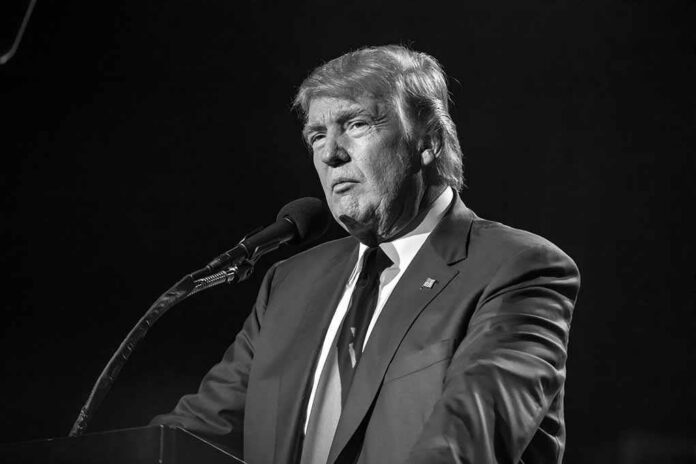
President Trump offered a $1 million reward for voter-fraud tips that lead to arrests and convictions, days before the 2026 midterms.
Story Highlights
- Trump pledged $1 million for information that results in an arrest and conviction in voter-fraud cases.
- The offer covers past elections and the 2026 midterms, widening its scope.
- No funding source, agency manager, or submission process was identified in the announcement.
- Major outlets report no evidence of widespread fraud while noting isolated incidents do occur.
What Trump Announced And When
On October 26, 2026, President Trump said he would pay $1,000,000 to anyone who reports voter fraud that leads to an arrest and conviction. He posted the offer online and echoed it in on-camera remarks. He tied the reward to “past Elections” and the coming midterms. The timing placed the announcement eight days before voting. The key condition is strict: no payout unless a tip helps secure a conviction, not just an arrest.
Trump’s spoken remarks matched the core terms of the post. He described it as a bonus or reward for reporting fraud that results in an arrest and conviction. Reporters framed the move as part of his broader election-integrity message. Supporters see a push to catch crimes. Critics see a last-minute political play. The promise set a clear bar but did not cite any specific case or location as its target, past or present.
Missing Details Raise Practical Questions
News reports said the White House did not provide details beyond the post. Trump did not name a funding source for the $1 million payment or explain which office would run the program. There was no stated channel for sending tips, no rules for splitting a reward among multiple tipsters, and no process to prove a tip caused a conviction. These gaps make it hard for agencies and citizens to know how to act on the offer.
The legal path is also unclear. Convictions can take months or years. Different crimes fall to state or federal prosecutors. The announcement did not define which offenses qualify or how a tip would be credited if many people report the same lead. Because the payment depends on a conviction, the reward sits far downstream of any alleged act. That delay could feed disputes about who, if anyone, earns the money.
What We Know About Actual Fraud Incidents
Major outlets report that documented voter fraud happens on occasion but is not widespread. Examples include filling out a ballot for a deceased relative or lying on a mail-ballot application. A long-running tracker has logged incidents across decades, a tiny share of total votes. This record shows crimes can occur and be punished, but it does not show large-scale fraud that swings results. That context matters when judging how many viable tips might surface.
President Donald Trump has announced a $1 million reward for anyone who reports voter fraud from previous elections or the upcoming 2026 midterm elections if the information leads to the arrest and conviction of those responsible. pic.twitter.com/02QALWiVZh
— CBS47 News (@CBS47) October 27, 2026
Research groups and past officials have also said large-scale fraud is not supported by evidence. Summaries of studies say fraud by individual voters is exceedingly rare and not at levels that could “rig” national outcomes. Those findings do not deny that crimes happen. They do show that most tips will not lead to a conviction. That reduces the odds that any person will meet the reward’s strict standard in the near term.
Why This Matters For Trust And Governance
Americans across the spectrum worry that powerful insiders play by their own rules while the public pays the price. Supporters may view cash rewards as a way to bypass slow institutions and expose wrongdoing. Skeptics may fear a flood of false reports that waste time and distract from real cases. Without clear rules, transparent funding, and a reporting channel, the offer could deepen confusion rather than build trust in election results.
What To Watch Next
Watch for a formal program with public rules. Key signs include a posted tipline, guidance on evidence, and named offices to receive and vet reports. Look for coordination with the Department of Justice and state prosecutors. Track whether any tips lead to filed charges and, later, convictions tied to the reward. If no structure appears soon, expect more questions about whether this was a policy plan or a political message ahead of voting.
Sources:
thegatewaypundit.com, upi.com, nytimes.com, france24.com, brennancenter.org