
President Trump warned he will immediately double tariffs on Mexico if large migrant caravans are not stopped before reaching the U.S. border, reviving a high-stakes mix of border enforcement and trade pressure documented since the 2018 caravan clashes.
Story Snapshot
- Trump tied tariff hikes to Mexico stopping large migrant groups before they reach the U.S. border.
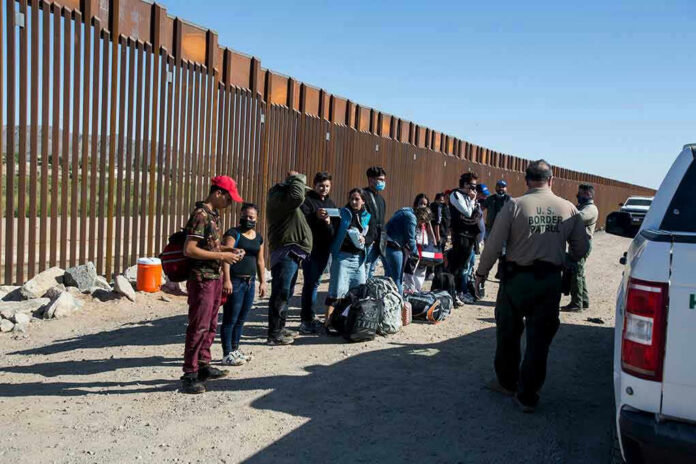
- Past caravans involved thousands traveling through Mexico; some tried to breach the border near Tijuana.
- Mexico has shown it can detain, deport, or redirect caravans while also offering humanitarian options.
- Evidence does not prove that tariffs alone reduce caravans, leaving real economic risks and policy gaps.
What Trump Is Demanding and Why It Matters
President Trump linked trade costs to border control, saying Mexico should stop large caravans long before they reach the United States. He used this same logic during the 2018 caravan surge, when he called the issue a national emergency and pushed for tougher action at the border. The strategy aims to shift pressure south, making Mexico the first line of defense. The stakes reach beyond immigration and touch prices for U.S. consumers if tariffs rise.
Trump’s approach treats migration management as leverage in trade talks. He argues that Mexico has the capacity to reduce large group movements and that pressure works best before caravans get near U.S. ports of entry. This framing echoes past episodes where the administration linked border numbers to foreign action. The question for families, farmers, and small businesses at home is whether higher tariffs improve border control without pushing up costs on everyday goods.
What We Know About the Caravans and Mexico’s Response
Reporting in 2018 showed caravans with hundreds to thousands of people, many from Honduras, traveling north through Mexico. Some participants tried to rush the border near Tijuana, leading to arrests in the United States and deportations by Mexico after the clash. Mexican officials also stopped and detained groups on the route and made other arrests tied to later caravans. These events showed the flows were real and, at times, confrontational for both governments.
Mexico combined enforcement with humanitarian steps. Its leaders deployed police, detained and deported migrants, and at times used force to block mass entries. The government also offered temporary residency, work permits, and services to those who stayed in southern Mexico. These actions show Mexico can act, but it also signals a policy that mixes security with legal pathways and aid for people fleeing hardship, not a single-track crackdown.
Where the Evidence Is Strong—and Where It Is Thin
The public record confirms that caravans formed, traveled through Mexico, and sometimes tested border security. It confirms arrests and deportations after the Tijuana incident and shows Mexico could disrupt or redirect large groups. It also confirms Trump publicly urged Mexico to stop caravans far from the U.S. line. What remains thin is proof that tariff hikes themselves, rather than other pressure or policy shifts, are the cause of any change in flows.
President Donald Trump on Thursday threatened to double tariffs on Mexico if it does not stop more than a thousand migrants walking north toward the United States after last week's US election, warning that they would not be allowed to enter. https://t.co/bEGq9DnZeV
— Reuters Legal (@ReutersLegal) November 12, 2026
Mexico rejects the idea that it promotes illegal migration and says most caravan members came from Central America. Officials stress that Mexico enforces its own laws and cannot make immigration decisions for the United States. Rights groups argue caravans highlight the legal right to seek asylum and warn that harsh measures can harm families. These points do not erase the enforcement record but do complicate the claim that trade penalties alone fix the problem.
Why Both the Left and Right Feel the System Is Failing
Border surges strain services and public trust. Conservatives see a government that cannot control the line. Liberals see a system that fails to process claims fairly while families risk danger on the route. Both sides fear policies built for politics, not results. The record shows real caravan pressures, some successful enforcement, and a mix of humanitarian steps. But it lacks clear proof that tariff threats alone deliver lasting control without higher prices for American households.
What to Watch Next
Watch for a formal tariff notice with clear triggers, timelines, and legal grounds. Look for Mexico’s public steps: arrests, deportations, or expanded permits. Track U.S. border data on encounters and releases. If tariffs rise, expect higher costs on goods tied to Mexico’s supply chains. The key test is simple: do large groups fall and stay low without shifting harm to families, farmers, and small firms who are already squeezed by prices and a system that too often misses real fixes.
Sources:
abcnews.com, apnews.com, mprnews.org