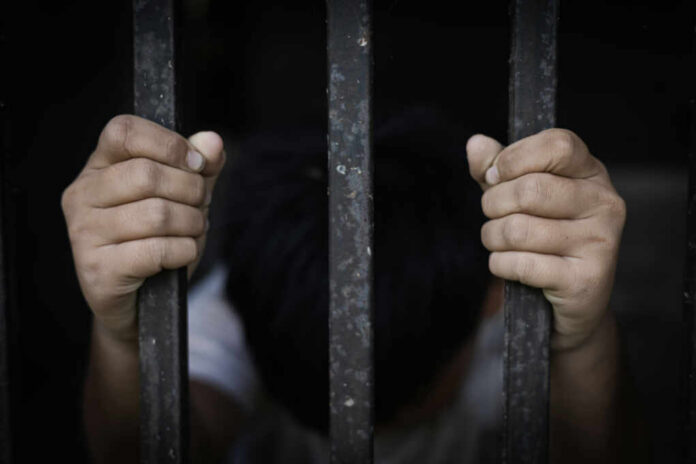
A growing body of reports alleging systematic torture of Palestinian detainees now threatens to put Washington’s closest Middle East ally on a collision course with American values and U.S. law.
Story Snapshot
- Human Rights Watch and Israeli and international groups report widespread torture and abuse of Palestinian detainees, including healthcare workers.[1][5][7]
- Allegations include beatings, sexual violence, electric shocks, stress positions, and medical neglect inside Israeli prisons.[1][3][5][6]
- These claims raise serious questions about American taxpayer funding, foreign aid oversight, and compliance with U.S. anti-torture laws.
- Closed detention systems and limited access make verification difficult, but consistent testimonies show a disturbing pattern spanning decades.[2][4][6][7]
New Torture Allegations Put Longtime U.S. Ally Under Scrutiny
Human Rights Watch reported in 2024 that Palestinian doctors, nurses, and paramedics detained by Israeli forces described being stripped, beaten, blindfolded, and kept in prolonged handcuffing and stress positions, along with denial of medical care and reports of rape and sexual abuse.[1] Israeli organization Physicians for Human Rights–Israel later described the Israeli prison system as a “network of torture camps,” analyzing cases of medical workers allegedly detained, tortured, and starved.[7] These accounts depict not isolated misconduct, but a detention environment defined by deliberate humiliation and pain.[5][7]
Additional testimonies from freed Palestinian prisoners echo the same patterns. Former detainees interviewed in broadcast reports recounted rape, threats of rape, and other sexual violence, which Euro-Med Human Rights Monitor characterized as part of a broader and systematic pattern of abuse.[3] A separate investigation into Palestinian journalists found that fifty‑eight of fifty‑nine released reporters said they suffered torture, abuse, or other ill‑treatment in Israeli custody, including beatings, stress positions, and deprivation of basic needs.[6] Together, these survivors describe a system where physical and psychological torment are routine tools of control.[3][5][6]
Decades of Red Flags from Rights Groups and International Bodies
Long before the latest war, outside investigations were already warning about torture in Israeli detention. A special inquiry into Israeli practices in the 1970s reported routine beatings, sexual assault, hooding, hanging detainees by their wrists, electric shocks, and even confinement in a tiny “cupboard” with spikes in the floor, concluding that torture was a systematic practice, not a series of rogue incidents.[2] Amnesty International’s 1996 findings similarly described detainees in Israel and the occupied territories as “tortured, ill-treated and humiliated,” with health professionals acting as silent witnesses.[4] These historical records show a pattern stretching over decades rather than a sudden post‑war breakdown.[2][4][7]
Recent research by Israeli and international organizations argues that the current prison regime represents an intensification of that long‑standing pattern. B’Tselem’s 2024 report, “Hell: The Israeli Prison System as a Network of Torture Camps,” states that facilities operate as de facto torture camps in which every inmate is deliberately subjected to harsh, relentless pain and suffering.[5] Analysts at Al‑Shabaka similarly contend that torture of Palestinians in Israeli detention is systematic and legitimized through local law, with the legal framework and security narrative providing cover for abusive interrogation and detention practices.[7] These conclusions suggest that abuses are embedded in policy structures, not merely failures of discipline.[5][7]
Closed Prisons, Limited Oversight, and the Verification Problem
Conservative readers will recognize a familiar dilemma: claims of abuse inside closed government systems are hard to verify because authorities control access, records, and testimony. In the Israeli–Palestinian context, human‑rights groups and survivor accounts describe prolonged detention without trial, medical neglect, and torture, while official channels provide little transparent, case‑by‑case rebuttal.[1][6][7] The United Nations Committee Against Torture has pressed Israel for data on complaints against security forces and follow‑up investigations, underscoring international concern that accountability mechanisms remain weak or opaque.[4] That information gap fuels distrust and makes independent assessment difficult.[4][7]
Regardless of one’s view of the conflict, the pattern itself should trouble anyone who opposes unchecked government power. Testimonies from healthcare workers, journalists, and ordinary detainees share strikingly similar details: forced nudity, beatings, stress positions, prolonged blindfolding, and deliberate humiliation.[1][3][5][6][7] Reports also describe starvation, filthy conditions, and systematic medical neglect that would violate basic standards in any American jail.[1][5][7] When multiple organizations, including an Israeli group, document comparable practices across facilities and years, the question shifts from whether abuse occurs to how extensive it is and who is responsible for stopping it.[1][5][7]
Why This Matters for U.S. Taxpayers, Law, and Conservative Principles
For Americans who believe in the Constitution, the rule of law, and limited government, these allegations raise more than humanitarian concerns; they raise hard questions about how U.S. foreign policy aligns with our own standards. The United States outlaws torture and conditions foreign aid, in principle, on respect for human rights. When credible reports suggest that a major aid recipient is operating what one Israeli report calls “torture camps,” taxpayers have a right to demand serious oversight and clear answers.[5][7] Supporting an ally’s security does not require writing a blank check for abuses carried out behind prison walls.
NEW | Palestinian detainee Ahmad Nasrallah battles cancer and severe deterioration inside Israeli prisons amid fears for his life
The family of Palestinian detainee Ahmad Nasrallah warned of his rapidly worsening health condition inside Israeli prisons, saying he suffers from… pic.twitter.com/rq4OIOcFZV
— Quds News Network (@QudsNen) May 25, 2026
Conservatives have long warned against double standards that excuse misconduct when it is politically convenient. If Americans would not tolerate their own federal agencies beating bound prisoners, using electric shocks, or ignoring medical crises, it is fair to ask why similar conduct abroad should be brushed aside.[1][2][5][7] The path forward depends on facts, not slogans: thorough, independent investigations; transparent reporting of complaints and outcomes; and a willingness to revisit aid and training if partners ignore basic human dignity. Defending our values overseas begins with insisting that our dollars never underwrite torture, no matter who is in power.[4][5][7]
Sources:
[1] YouTube – Israeli Torture Program Exposed
[2] Web – Israel: Palestinian Healthcare Workers Tortured | Human Rights Watch
[3] YouTube – New HRW Report on Israeli Prisons
[4] Web – Dr. Hussam Abu Safiya subjected to torture and ill-treatment in …
[5] Web – Torture, ill-treatment and the health professionals in Israel and the …
[6] YouTube – ‘Israel turned detention facilities into torture camps where …
[7] Web – ‘We returned from hell’: Palestinian journalists recount torture in …