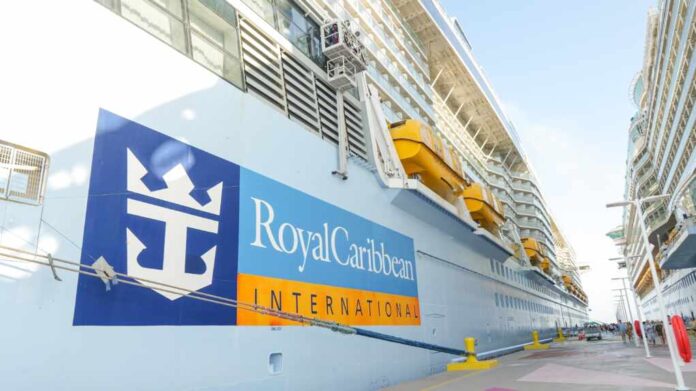
A wrongful death lawsuit accuses Royal Caribbean of overserving alcohol and using excessive force, leading to a passenger’s death, raising questions about cruise industry practices.
Story Highlights
- Michael Virgil died after allegedly being overserved 33 drinks on a Royal Caribbean cruise.
- The lawsuit claims excessive force with prone restraint, pepper spray, and sedatives were used.
- The Los Angeles County Medical Examiner ruled the death a homicide.
- Royal Caribbean has yet to respond to the allegations publicly.
- The case may impact future cruise industry alcohol and security policies.
Allegations Against Royal Caribbean
In December 2024, Michael Virgil, a passenger aboard Royal Caribbean’s *Navigator of the Seas*, reportedly consumed at least 33 alcoholic drinks. This excessive consumption led to his intoxication, agitation, and confusion as he sought his cabin. The lawsuit filed by his fiancée, Connie Aguilar, alleges that the cruise line’s staff used excessive force by restraining him prone, standing on him, and using pepper spray and sedatives, resulting in his death.
The Los Angeles County Medical Examiner classified Virgil’s death as a homicide, citing mechanical asphyxia compounded by obesity, an enlarged heart, and alcohol intoxication. This ruling supports the lawsuit’s claims of negligence and excessive restraint, emphasizing the need for accountability within the cruise industry.
A 35-year-old man, Michael Virgil, died on a Royal Caribbean cruise after reportedly being served excessive alcohol and allegedly given a sedative by crew.
He became agitated when he couldn’t find his cabin, and intervention by staff allegedly involved pepper spray and… pic.twitter.com/hFJlXUcNSN
— Digital Gal (@DigitalGalX) December 9, 2025
The Case’s Legal and Industry Implications
Aguilar’s lawsuit, filed in Miami federal court, highlights Royal Caribbean’s alleged negligence and the cruise line’s alcohol-driven business model. It brings attention to the broader issues of alcohol service and passenger safety. The case’s outcome could influence cruise industry practices, potentially leading to stricter alcohol service policies and revised security protocols to avoid future tragedies.
The lawsuit underscores the cruise line’s duty of care under maritime common law, arguing that Royal Caribbean failed to supervise and assist Virgil adequately. This case could set a precedent for future negligence and wrongful death suits within the maritime context, especially concerning alcohol overservice and security measures.
Potential Impact on Cruise Industry Practices
If Aguilar’s lawsuit results in a plaintiff verdict, it may prompt Royal Caribbean and other cruise operators to reassess their alcohol service practices and security protocols. Potential changes could include implementing drink limits, improving intoxication detection, and enhancing training for security and medical personnel to prevent similar incidents. Such reforms could address passenger safety concerns and mitigate legal and reputational risks for cruise companies.
The case also places a spotlight on the training and qualifications of onboard medical staff, which Aguilar’s complaint claims are inadequate. Enhanced standards for medical personnel may become a focus to ensure passenger safety in emergencies and reduce liability risks.
Sources:
A woman sues Royal Caribbean over her fiancé’s death on a cruise ship