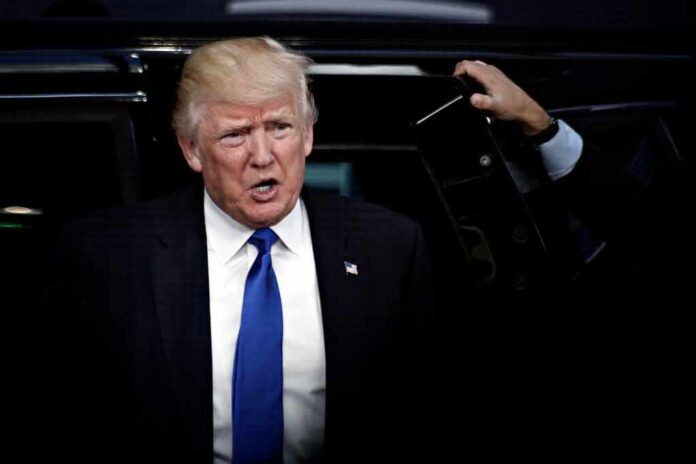
President Trump said the United States and Cuba “will make a deal” and added he does not expect to use the military, signaling a sharp turn toward diplomacy amid weeks of tense rhetoric.
Story Snapshot
- Trump said a U.S.-Cuba deal is likely and military action is unlikely.
- Cuba’s foreign minister says there are no talks or agenda for talks.
- Havana accuses Washington of an “energy blockade” that hurts civilians.
- Experts say U.S.-Cuba policy swings between engagement and pressure.
What Trump Said And Why It Matters Now
President Trump told reporters on September 26 that “Cuba and us will make a deal,” adding, “I don’t think we’ll need the military.” The remarks came after days of hard words between Washington and Havana. The statement sets a public bar for a diplomatic path and lowers talk of force. It also signals a pressure-and-bargain approach that has marked U.S. policy toward Cuba for decades.
The comment matters at home and abroad. In Florida, Cuban American voters track Cuba policy closely. In Latin America, allies and rivals judge if Washington will lean on sanctions, talks, or both. Clear messages on force help avoid missteps. A public bet on a deal can create space for talks. It can also raise expectations that may be hard to meet if mistrust remains high.
How Havana Framed The Standoff
Cuban Foreign Minister Bruno Rodríguez told the United Nations that the United States has imposed an “energy blockade.” He said U.S. pressure on fuel shipments is a form of coercion that hurts daily life on the island. He argued Cuba is open to dialogue based on respect and sovereign equality. At the same time, he said there are no negotiations and no set agenda with Washington right now.
On September 7, Rodríguez told reporters in Havana that “there are no negotiations or agendas,” though both sides remain in contact. That statement undercuts any idea that a deal is already forming. It also shows the gap between pressure from Washington and the terms Cuba wants. The distance between these positions explains why talks often stall before they start.
The Larger Pattern: Sanctions, Openings, And Reversals
U.S.-Cuba policy has swung for years. The United States built a sanctions system in the 1960s. The Obama administration reopened ties with Havana and eased some limits. Later, policy reversed with added sanctions and a tougher line. Analysts say these moves reflect a cycle: tighten, then test engagement, then tighten again when politics shift. Trump’s latest message sits within that cycle.
TRUMP PREDICTS US-CUBA DEAL WITHOUT MILITARY ACTION
Donald Trump has predicted that the United States and Cuba will reach an agreement without military intervention. Speaking before departing Washington, he said his administration wants to help and open Cuba to Americans, despite…— S u y a s h P a c h a u r i (@suyashpachauri) September 27, 2026
That history shapes what a “deal” could mean. A narrow deal might swap limited relief on travel or remittances for steps by Cuba on security or migration. A broader deal would take more trust, time, and clear wins for both sides. Laws that lock in core sanctions still limit how far any White House can go without Congress. That legal frame keeps expectations in check, even when leaders talk about big openings.
What To Watch Next
Watch for signals that the two sides have set a channel for talks. A public readout, a third-country host, or small confidence steps would point to movement. Also track energy shipments to Cuba, since Havana says fuel pressure is the key pain point. If Washington eases a rule or issues a specific license, that could be an early sign. If not, expect more words than progress in the short run.
For Americans worried about elite deals and drift, the stakes are real. A clear, lawful policy can reduce risky brinkmanship and protect U.S. taxpayers from open-ended crises. It can also support human rights and reduce migration shocks that strain local services. That requires honest goals, measurable steps, and transparent updates. Big claims must match real changes on the ground, not headlines alone.
Why This Resonates Across The Aisle
Conservatives want strength without endless costs. Liberals want humane policy that eases harm to families. Both sides want the government to be clear, competent, and accountable. A focused, realistic Cuba strategy can serve all three aims. If the White House wants a deal, it should define terms, explain tradeoffs, and show how this helps Americans. If not, it should say so and own the path chosen.
Credible diplomacy needs facts and follow-through. Trump’s “no military” line lowers the temperature. Cuba’s “no talks” line shows the hard road ahead. The next weeks will test if pressure leads to progress or just more posturing. Results, not rhetoric, will tell us if this moment breaks the old cycle or repeats it.
Sources:
youtube.com, bbc.com, scmp.com, press.un.org