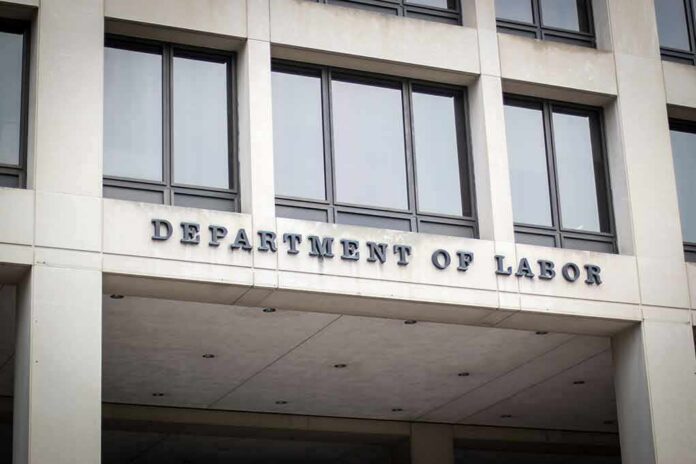
Washington’s labor agency is investigating a volunteer cleanup group for how it handles the very drug gear littering parks that public programs helped put on the streets.
Story Snapshot
- Washington’s Department of Labor and Industries notified We Heart Seattle over alleged improper handling of needles and fentanyl paraphernalia, according to the group’s founder.
- The group says it trains volunteers and has had no safety incidents, while removing large amounts of drug debris from public spaces.
- Local reports have documented cleanups that included hazardous waste and drug paraphernalia in Seattle parks.
- State and county rules treat used needles as regulated sharps that require strict handling and disposal pathways.
What Triggered the State Inquiry
Andrea Suarez, who leads We Heart Seattle, said Washington’s Department of Labor and Industries “served notice” over alleged improper handling and collection of needles and fentanyl-related debris. She linked the investigation to cleanups in areas where government programs provide harm-reduction supplies. The group says it has hauled away large amounts of drug litter over several years. Suarez called the action unfair, but the agency’s notice focuses on safety and compliance, not motive or politics.
Local news coverage has shown volunteers removing hazardous waste, including drug paraphernalia, from parks and greenbelts. One Seattle cleanup on Martin Luther King Jr. Day led to thousands of pounds of trash hauled out, with sharps among the items found. Another report described “mounds” of hazardous waste gathered during a Beacon Hill effort. These scenes reflect what the group says it tackles weekly across trails, playfields, and slopes where families also recreate.
Why Sharps Handling Rules Are Strict
Washington law treats used needles and similar items as “sharps waste,” a type of biomedical waste that can spread disease if mishandled. County guidance says needles should never go in the garbage and are not accepted at standard household hazardous waste sites, pushing them into special handling routes. These rules aim to protect volunteers, city crews, and landfill workers from needle sticks and contaminated materials during transport and disposal.
State environmental rules and workplace standards add more layers. Dangerous waste regulations require proper containers, labeling, training, and chain-of-custody steps for regulated materials. These frameworks were built for employers and professional crews. When volunteer groups step in, they can run into requirements designed for licensed handlers, not neighbors with grabbers and gloves. That gap often creates friction during urgent, street-level cleanups.
The Group’s Defense and Record
Suarez says We Heart Seattle provides equipment and training to volunteers and reports no safety incidents. The group’s public updates over the years describe thousands of volunteer hours and steady removal of trash and drug paraphernalia from shared spaces. An earlier founder message claimed more than 300,000 pounds of trash and over 10,000 needles removed, underscoring both the scope of the problem and the group’s role as they see it in filling city service gaps.
🇺🇸 Washington is investigating a Seattle volunteer group over the “improper” handling and collection of hypodermic needles and fentanyl paraphernalia.
We Heart Seattle says it has spent 6 years removing hundreds of thousands of drug-related items from parks, neighborhoods, and…
— NewsForce (@Newsforce) August 17, 2026
The group also argues that county and city programs distribute supplies meant to reduce harm, but leftover foils and needles end up in parks and sidewalks. That claim reflects a wider national debate over harm reduction and public order. The state’s inquiry, however, centers on how sharps are picked up, stored, and handed off. Even if litter comes from public programs or private use, handlers must still follow sharps rules to limit risk to the public and to workers who touch the waste stream later.
What This Says About City Systems
Seattle’s challenge shows a deeper systems problem. City and county guidance directs the public to report needles, seek training, and use specific channels for disposal. Yet parks and greenbelts can sit littered for weeks, drawing volunteer crews into the breach. When that happens, regulators judge them by professional standards. Residents on both left and right see the result as upside down: rules built to protect safety end up slowing the very cleanups neighbors crave.
Two truths can stand at once. Strict sharps rules protect lives and reduce disease risk. Communities also need fast, visible cleanup so kids are not dodging foils and needles on trails. Policy makers could close the gap by expanding volunteer training, offering approved sharps containers and pickups, and creating clear, legal handoff points. That would let neighbors help without stepping into regulatory traps, while keeping workers and families safe.
What to Watch Next
Watch for the state’s findings and any required fixes for We Heart Seattle. Look for the city and county to scale up training and approved disposal options for non-profits and property owners. Track whether harm-reduction programs add litter controls, like onsite disposal and faster sweeps around service areas. Lasting progress will likely need all three: safer handling, quicker cleanup, and tighter links between outreach sites and waste removal systems.
Sources:
pjmedia.com, zerohedge.com, seattle.gov, seatacwa.gov, komonews.com, lni.wa.gov