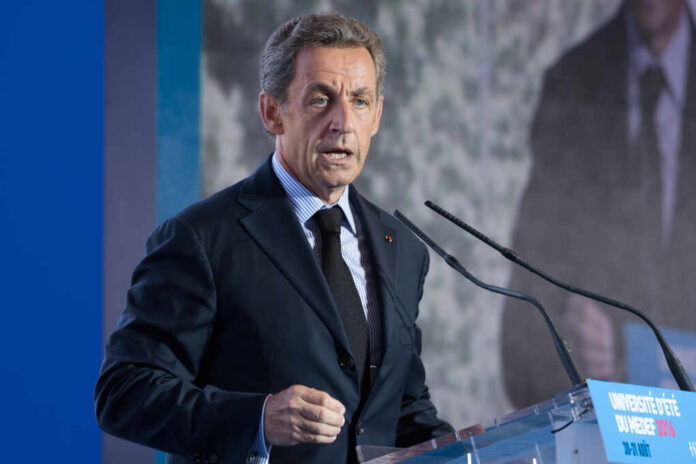
The recent, high-profile release of former French President Nicolas Sarkozy from prison—after an unprecedented incarceration for a modern EU head of state—has sent shockwaves across Europe, exposing deep fractures in the continent’s democratic and judicial systems. Sarkozy’s case, which centers on allegations of illicit foreign campaign funding, has ignited a fierce global debate over whether judicial systems are being weaponized against political elites and whether Europe’s courts can maintain true independence amid growing concerns of political overreach, foreign interference, and a widening chasm between the people and the ruling class.
Story Highlights
- France makes history as Sarkozy becomes the first modern EU head of state jailed and then released pending appeal.
- Allegations of foreign interference and judicial activism raise new questions about the independence of European courts.
- Public demonstrations and political interventions reveal the growing divide between the people and the ruling class.
- Sarkozy’s release comes amid demands for greater transparency and accountability from political elites worldwide.
Historic Incarceration of a Former French Leader Stirs Global Attention
On November 10, 2025, the Paris appeals court granted former French President Nicolas Sarkozy release from prison under judicial supervision, just weeks after he was ordered to serve a five-year sentence for allegedly seeking illicit Libyan campaign funds. Sarkozy’s jailing marked the first time since World War II that a French head of state was imprisoned. His case, centering on accusations of foreign (Libyan) interference in the French electoral system, has ignited fierce debate about judicial independence, political accountability, and the integrity of Europe’s democratic processes.
Sarkozy’s conviction and subsequent solitary confinement were unprecedented in French—and indeed, European—history. Public outcry surged as supporters rallied for his release, while the French Justice Minister’s controversial visit to Sarkozy in jail only heightened suspicions of political maneuvering and blurred lines between the judiciary and government. The legal process has been marred by high-profile interventions, reflecting growing concerns about the politicization of European justice and the erosion of traditional democratic safeguards.
Former French President Sarkozy, First Jailed in Modern Era, Released Pending Appeal https://t.co/3cTvZdwkd2
— Lampe Outpost (@LampeOutpost) November 11, 2025
Foreign Influence and Political Corruption: What’s Really at Stake?
The origins of Sarkozy’s legal troubles trace back to allegations that his 2007 campaign received illegal funding from Libyan dictator Moamer Kadhafi. Investigations intensified after Sarkozy left office in 2012, coinciding with a broader EU push to root out political corruption. While some see the prosecution as a step toward transparency, many warn that such cases risk weaponizing the judiciary against political adversaries. The broader ramifications—heightened scrutiny of campaign finance, questions about sovereignty, and the specter of foreign meddling—echo challenges faced by the U.S. in recent years as globalist agendas and outside interests attempt to undermine national integrity.
Sarkozy’s status as a former president complicated legal proceedings, forcing French authorities to balance security, legal process, and political optics. Supporters denounced his treatment as excessive, while critics insisted on the need for accountability. The episode underscores the broader battle between citizens demanding honest governance and elites who too often operate above the law—a dynamic all too familiar to American conservatives who have witnessed similar efforts to target their leaders under the guise of “justice.”
Political Fallout and Public Reaction: Lessons for America’s Own Institutions
The Sarkozy affair has already sparked heated debate over the limits of judicial power, the dangers of politicized prosecutions, and the importance of constitutional protections for leaders and citizens alike. In the wake of public demonstrations, social media campaigns, and statements from political insiders, the French public is sharply divided—mirroring the deep polarization that has gripped Western democracies including the United States. As France grapples with the fallout, Americans should take note: unchecked judicial activism, foreign influence operations, and opaque legal proceedings threaten not just individual rights, but the very foundation of free societies.
Ultimately, Sarkozy’s release pending appeal is a reminder that even in advanced democracies, the balance between accountability and overreach remains fragile. For those who cherish the U.S. Constitution, the Second Amendment, and the principle of due process, the story serves as a warning: vigilance is needed to guard against similar threats at home. As the appeals process unfolds, the world will be watching to see whether France can uphold true justice—or whether political expedience will again trump the rule of law.
Watch the report: Former French President Sarkozy leaves prison
Sources:
Le Monde, “French appeals court orders Sarkozy’s release from jail,” November 10, 2025.
Former French president Sarkozy released from prison after three weeks
Former French President Nicolas Sarkozy released from prison pending appeal | Courts News | Al Jazeera
France: Sarkozy departs jail pending appeals trial – DW – 11/10/2025