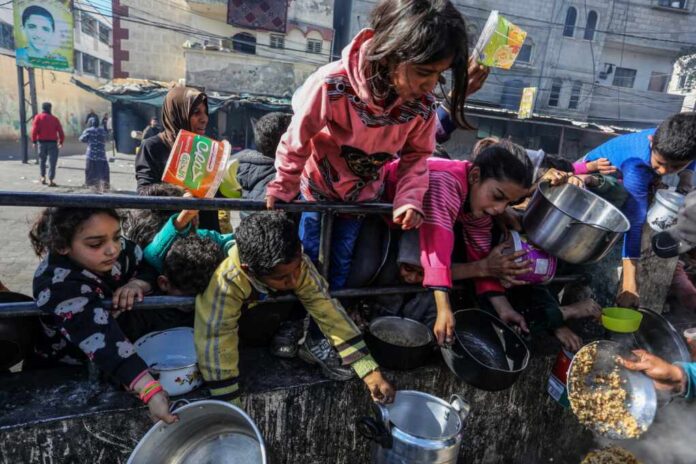
The Integrated Food Security Phase Classification’s confirmation of famine in Gaza ignites a contentious debate over the causes and consequences of this humanitarian crisis.
Story Highlights
- IPC confirms famine in Gaza, affecting over half a million people.
- Israeli authorities reject findings, citing methodological flaws.
- UN and aid groups call for urgent international intervention.
- Famine expected to spread without ceasefire and increased aid.
Famine Declaration Sparks International Controversy
The Integrated Food Security Phase Classification (IPC) has officially declared a famine in the Gaza Governorate, marking the first such declaration in the Middle East. Over 500,000 people are experiencing catastrophic hunger, with more than a million in a food emergency phase. The announcement follows months of warnings from aid organizations, emphasizing the severe humanitarian implications of the ongoing conflict and restricted aid access in the region.
Israeli authorities have strongly rejected the IPC’s findings, disputing the methodology used in the assessment. They argue that the conclusions are based on flawed data and politically motivated accusations. This has fueled a heated debate between international bodies and Israeli officials, highlighting the political complexities surrounding the humanitarian situation in Gaza.
Hunger in Gaza Strip Classified as Famine, Global Body Says | The Epoch Times https://t.co/byu6yDIoVU
— 𝔇𝔢𝔣𝔢𝔫𝔰𝔬𝔯𝔣𝔦𝔡𝔢𝔩𝔦𝔰 (@MrMNelsonJr) August 23, 2025
Background: Conflict and Humanitarian Challenges
The Gaza Strip has long been plagued by food insecurity due to ongoing conflict and blockades. The situation deteriorated significantly after intensified hostilities in late 2023, leading to widespread infrastructure destruction and severe limitations on humanitarian aid. This has left the densely populated enclave heavily reliant on external assistance, with local food production and distribution nearly impossible.
Recent escalations have exacerbated these challenges, with systematic obstruction of aid at border crossings and the destruction of agricultural resources further straining the region’s food supply. Overcrowding and mass displacement have increased the vulnerability of the population, compounding the crisis.
Watch: UN-backed report confirms famine in Gaza City | BBC News
Urgent Calls for International Action
UN agencies and international aid groups have issued urgent appeals for increased humanitarian access to Gaza. They emphasize that the famine is man-made and preventable, urging for a ceasefire and the removal of barriers to aid delivery. The IPC report has intensified the focus on the humanitarian crisis, with calls for global intervention to prevent further escalation.
While humanitarian organizations support the IPC’s conclusions, Israeli officials continue to challenge the findings, questioning the reliability of the data. This dispute underscores the complex interplay of politics and humanitarian needs in the region, posing significant challenges for effective response efforts.
The implications of the famine declaration are profound, with immediate risks of increased mortality and further displacement. Long-term effects could include lasting damage to Gaza’s social fabric and economic prospects, as well as heightened international scrutiny and pressure on involved parties. The situation remains precarious, requiring coordinated international efforts to address the humanitarian needs of the affected population.
Sources:
Famine Declared in Parts of Gaza
Gaza Famine Declaration Rejected by Israel
UN Press Briefing on Gaza Famine
Political Attacks Over Gaza Famine Declaration
Israel Rejects IPC Report on Gaza