A new military operation raises serious legal questions, threatening core American values of justice and oversight.
Story Highlights
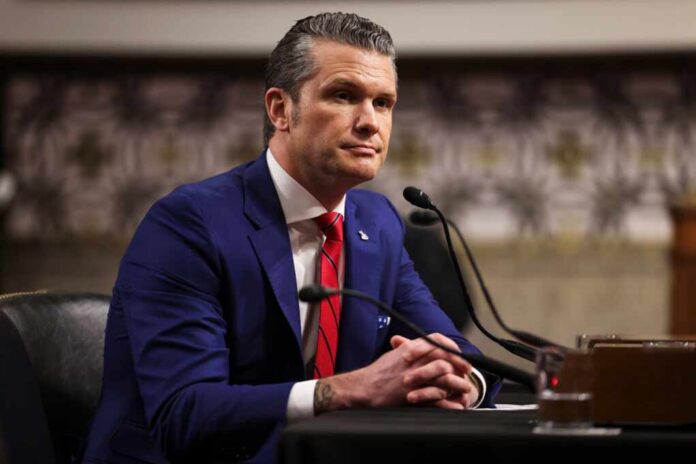
- Defense Secretary Pete Hegseth allegedly ordered lethal strikes on suspected drug traffickers.
- The controversial “kill them all” directive has sparked legal and ethical debates.
- Concerns arise over a shift from law enforcement to military actions in drug interdiction.
- Congressional oversight and international law compliance are under scrutiny.
Allegations Against Defense Secretary Hegseth
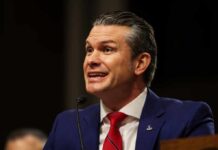
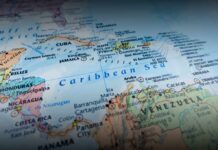
In September 2025, the Trump administration, led by Defense Secretary Pete Hegseth, launched a series of military strikes against suspected drug traffickers in the Caribbean. A particularly contentious incident involved a double-tap strike on a vessel off Trinidad’s coast. Survivors of the initial attack were reportedly killed in a follow-up strike. Hegseth allegedly issued a verbal order to “kill them all,” a significant departure from traditional U.S. counterdrug operations that focused on capturing and prosecuting suspects.
This shift from law enforcement-based interdiction to lethal military operations has drawn criticism and raised questions about legality and accountability. Historically, U.S. drug interdiction efforts were managed by law enforcement like the Coast Guard, but this operation marks a move towards militarized measures, justified by the administration as necessary to combat drug trafficking and protect American lives.
Political and Legal Repercussions
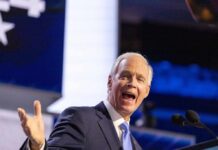
The operation has sparked a political firestorm, with debates over international law compliance and executive power. Democratic senators have expressed concerns about potential violations of international law and the lack of congressional briefing before the operation. Senator Mark Warner criticized the government’s briefing procedures, noting that neither the Senate Intelligence Committee nor he was informed ahead of the operation.
Republican senators, however, have largely supported the strikes, emphasizing their effectiveness in combating narcoterrorism. Senator Bernie Moreno stated that the operation “saved American lives,” highlighting a partisan divide over the interpretation of the operation’s legality and efficacy.
Implications for U.S. Drug Policy
The strikes represent a fundamental shift in the U.S.’s approach to drug interdiction, potentially setting a precedent for future operations. This move from criminal prosecution to military elimination without due process could significantly alter U.S. drug policy. Legal experts have warned that such actions may not withstand scrutiny under international law, with potential implications for U.S. foreign relations and domestic legal standards.
Further, the operation raises concerns about the adequacy of congressional oversight and the expansion of executive military authority. Lawmakers have demanded increased transparency and accountability from the Pentagon, as well as a reevaluation of the legal frameworks governing military operations against non-state actors.
Sources:
Times of India
Wikipedia: 2025 United States military strikes on alleged drug traffickers
Mizan Online
The Daily Beast