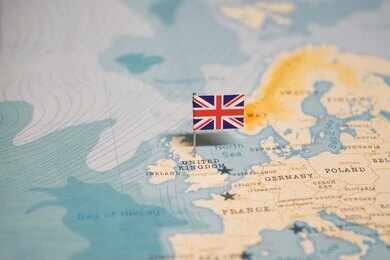
Britain’s “we’re not in the war” line is collapsing fast as Iranian drones and missiles turn UK bases and energy lifelines into targets.
Story Snapshot
- U.S. and Israeli strikes on Feb. 28, 2026 killed Iran’s Supreme Leader Ayatollah Ali Khamenei and other senior figures, triggering direct Iranian retaliation across the region.
- Iran targeted Israel, U.S. facilities, and UK-linked assets, including reported drone activity around RAF Akrotiri in Cyprus, pushing London into a defensive posture.
- Iran’s closure of the Strait of Hormuz jolted global energy markets, with reporting citing roughly a 30% price spike—an immediate cost-of-living pressure point for Britain.
- Prime Minister Keir Starmer publicly stressed the UK did not join the initial strikes, while approving expanded defensive deployments and support measures for allies.
From “Non-Participant” to Front-Line Logistics
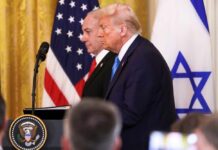
U.S. and Israeli airstrikes on Feb. 28, 2026 decapitated Iran’s top leadership, including Ayatollah Ali Khamenei, and the conflict quickly spilled beyond proxy warfare into direct state-to-state escalation. Iranian missiles and drones struck across the Gulf and toward Israel, while UK-linked sites such as RAF Akrotiri in Cyprus were pulled into the threat picture. London’s initial attempt to separate itself from the opening attack became harder to sustain once UK assets and personnel faced real risk.
British policy has leaned heavily on the word “defensive,” but the mechanics of modern coalition war blur that distinction. Reporting indicates the UK approved U.S. use of British bases for “defensive” operations beginning March 1, followed by visible force movements that signaled readiness for a prolonged crisis. For British voters already wary of foreign entanglements after Iraq and Afghanistan, the key issue is not rhetoric; it is whether “defensive support” becomes open-ended involvement without a clear endpoint.
Hormuz: The Chokepoint That Turns Distant War Into Household Pain
Iran’s closure of the Strait of Hormuz is the escalation that turns an overseas conflict into a domestic economic event. Research cited the strait as a major global energy chokepoint, with large shares of oil and gas transit, and reported an immediate surge in energy prices of about 30%. That kind of shock is politically combustible in any Western country. For Britain, it lands on top of an already tense cost-of-living environment, making “staying out” less realistic the moment energy supply is weaponized.
The human dimension tightens the vise on London. Reporting referenced more than 140,000 British nationals registered in the region, plus hundreds of thousands of Britons living and working across Gulf states tied to energy and finance. Evacuation planning and consular protection are not optional once airspace closures and missile alerts start. This is where grand strategy meets basic state responsibility: when citizens are in harm’s way, the government faces pressure to deploy assets, secure corridors, and coordinate with allies—even if it insists it is avoiding offensive war.
Starmer’s Deployments and the “Defensive Shield” Narrative
Prime Minister Keir Starmer’s March 5 remarks emphasized that the UK did not participate in the initial strikes, while describing an expanded protective “shield” in response to threats and allied needs. The UK announced additional Typhoon jets to Qatar, Wildcat helicopters to Cyprus, and the deployment of HMS Dragon to the Mediterranean, aligning with reports of heightened air and missile defense activity. The practical effect is a deeper UK footprint near the fight, increasing the likelihood of further incidents that compel additional decisions.
What We Know, What’s Contested, and Why It Matters
The strongest verified through-line across the research is that the UK shifted from declared non-participation in the opening strike to tangible defensive involvement once Iran retaliated and threatened UK-connected assets. What remains contested is the boundary between “defensive” actions and enabling offensive operations—especially when U.S. aircraft and logistics routes depend on allied basing. Critics argue that base access and intercept operations can amount to tacit participation, while the government frames them as necessary protection and alliance maintenance. The uncertainty itself is the warning sign: unclear lines invite mission creep.
For American readers watching this from the Trump era’s return to hard-nosed realism, the Britain story is a reminder that global chokepoints punish wishful thinking. When energy routes can be shut, and when allies share bases and airspace, governments often discover they cannot fence-sit for long. The immediate lesson is not partisan; it is strategic: definitions like “defensive” matter less than capabilities and geography. Once drones are flying toward your bases and fuel prices surge, “staying out” becomes a slogan, not a plan.
Sources:
Iran Says Supreme Leader Killed in U.S.-Israeli Strikes
US-Israeli strikes kill Khamenei and Iranian retaliation …
The Iran Strikes, Explained: How We Got Here and What It …