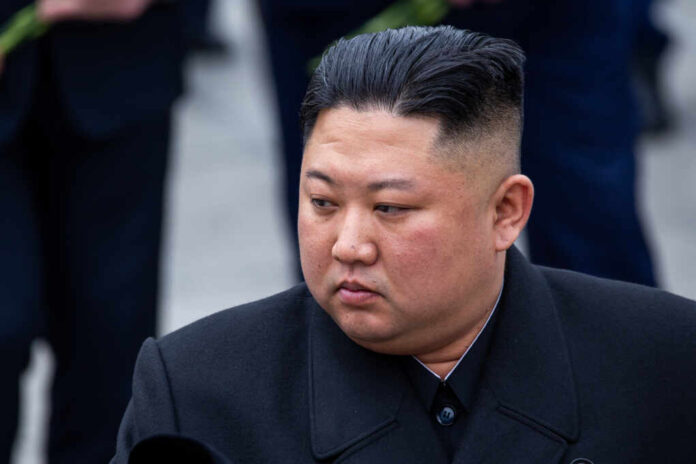
North Korea’s open celebration of troops who fought for Russia marks a brazen challenge to international norms.
Story Snapshot
- Kim Jong Un’s public honoring of North Korean soldiers fighting in Ukraine signals unprecedented, overt military support for Russia.
- The move deepens the Russia–North Korea alliance, directly challenging international sanctions and Western influence.
- North Korea’s military involvement in a foreign war sets a dangerous precedent, risking further escalation in global conflicts.
- Uncertainty remains about the scale of North Korean deployment, as most reports rely on state media with limited independent verification.
North Korea’s Open Military Support for Russia: A Major Shift
In mid-2025, North Korean state media broadcast images of Kim Jong Un personally decorating soldiers reportedly returned from combat in Ukraine. This public recognition marks the first time since the Korean War that Pyongyang has openly admitted to sending troops abroad for direct combat. The ceremony, which included Kim kneeling before portraits of fallen fighters and awarding medals to survivors, represents a bold escalation from previous covert support and arms transfers. The event signals a deliberate, high-level endorsement of North Korean involvement in Russia’s ongoing war against Ukraine.
North Korea's Kim kneels before portraits of soldiers killed fighting for Russia against Ukraine, decorates survivorshttps://t.co/dzxchzesDe pic.twitter.com/Geyiful8QV
— AFP News Agency (@AFP) August 22, 2025
The partnership between Russia and North Korea has evolved from discreet arms shipments and reported military advisors in 2023–2024 to outright celebration of North Korean participation in foreign combat. This bold step comes amid deepening global divisions, with both North Korea and Russia facing increasing diplomatic isolation and economic pressure from the United States and its allies. By publicizing this support, Pyongyang sends a clear message of resistance to Western influence while seeking strategic and economic benefits from Moscow.
Watch: Kim Jong Un WEEPS as He Honors Fallen North Korean Soldiers
Global Ramifications: Erosion of Norms and Rising Tensions
The ceremony’s symbolism goes beyond mere propaganda. By openly deploying and honoring troops in a foreign conflict, North Korea risks breaching longstanding international norms and United Nations sanctions. The act has drawn condemnation from many quarters, with concerns about increased instability in Eastern Europe and Northeast Asia. Ukrainian forces now face not only Russian aggression but also foreign fighters from one of the world’s most militarized states.
Immediate consequences include calls for tighter sanctions on both Russia and North Korea, as well as heightened vigilance from Western military alliances. The move could also strain already fragile diplomatic efforts aimed at curbing North Korea’s nuclear ambitions. However, the lack of independent verification regarding the true scale of North Korean involvement leaves open questions about whether this is primarily symbolic or signals the start of broader deployments.
North Korea’s Military Power and Strategic Calculations
North Korea maintains one of the world’s largest standing militaries, with over 1.2 million active troops and a focus on rapid modernization—especially in missile and nuclear capabilities. Kim Jong Un’s regime has long prioritized military-first policies, using its armed forces as both a deterrent and a bargaining chip in international affairs. The deepening ties with Russia are transactional: Moscow gains manpower and material support, while Pyongyang seeks technological exchanges, economic relief, and diplomatic backing in global forums.
Despite the spectacle and rhetoric, major uncertainties remain. Most reporting comes from North Korean state media, making independent validation difficult. Nevertheless, the international community must contend with the reality that North Korea is now openly challenging postwar norms and actively supporting Moscow’s military campaigns.
Sources:
Kyr North Korea Military – Cove
North Korea ranks 34th in global firepower, South Korea ranks 5th
North Korea Military Size 1990-2025
Korean People’s Army – Wikipedia