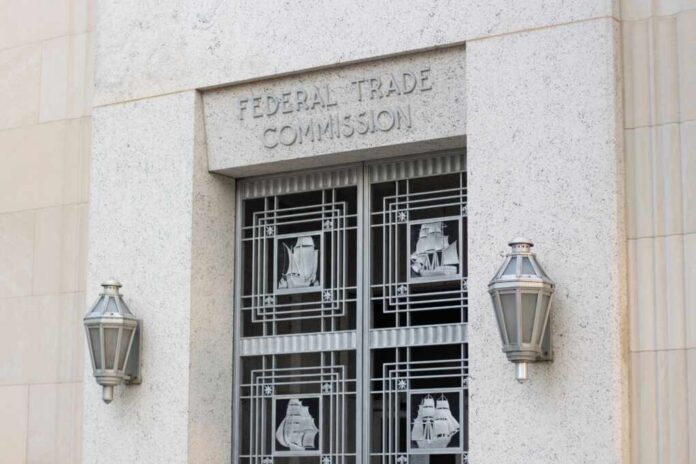
A federal judge’s ruling has halted the Trump administration’s FTC probe of Media Matters, igniting debate over government overreach and the future of First Amendment protections.
Story Snapshot
- Federal judge blocks FTC investigation into Media Matters, citing likely government retaliation against constitutionally protected speech.
- The FTC probe began after Media Matters criticized X (Twitter) and Elon Musk, raising suspicions of political motivation.
- The injunction highlights judicial concern over potential abuse of regulatory power by the Trump administration.
- The case sets a precedent for the limits of federal agencies targeting advocacy groups over press activity.
Judge Halts Trump-Era FTC Probe, Citing First Amendment Threats
On August 15, 2025, U.S. District Court Judge Sparkle L. Sooknanan issued a preliminary injunction that blocked the Federal Trade Commission’s investigation into Media Matters for America. The judge ruled the FTC probe likely amounted to government retaliation for Media Matters’ reporting—specifically, its exposé on ads from major brands appearing alongside offensive content on X, formerly Twitter. The court determined that the FTC’s demands infringed on the group’s First Amendment rights, drawing sharp lines around what government agencies may pursue when watchdogs challenge powerful interests.
Media matters finds friendly judge to halt FTC investigation. The judge appears to say that the FTC is retaliating against them. What it fails to mention is that media matters manipulated X’s algorithms to try to find anti-Semitic posts next to advertisers for the sole purpose of… pic.twitter.com/nDJHoH3tVN
— Eric CIAramella’s Dirty Whistle (@TheAndersPaul) August 15, 2025
The FTC investigation was initiated soon after President Trump returned to office in January 2025, with Andrew Ferguson installed as FTC Chair. Media Matters, a nonprofit founded in 2004 known for challenging conservative media narratives, became the focus of a civil investigative demand after its reporting prompted advertisers to distance themselves from X. The FTC alleged possible illegal collusion between Media Matters and advertisers, but the judge found the evidence suggested the probe was motivated more by political animus than legitimate regulatory concern.
Watch;
Political Backdrop and Regulatory Power Dynamics
The circumstances around the FTC’s actions are rooted in a period of intense political polarization, with the Trump administration taking aggressive steps to reshape regulatory bodies and target organizations perceived as hostile to its agenda. Leadership changes at the FTC followed the 2024 election, introducing officials with records of public criticism toward progressive nonprofits.
Media Matters’ reporting on X and Elon Musk triggered high-profile lawsuits and advertiser boycotts, drawing national attention to the intersection of technology, speech, and government oversight. As the FTC moved forward, Media Matters sought court intervention, arguing that compelled disclosures and investigatory demands threatened to chill constitutionally protected newsgathering and reporting. The judge’s decision to grant an injunction was informed by historical precedents: courts have consistently been wary of regulatory probes that appear retaliatory, especially when aimed at organizations engaged in public debate or criticism of government actors.
Implications for Advocacy, Press Freedom, and Agency Overreach
The immediate effect of the ruling is to shield Media Matters from further FTC demands pending resolution of the legal challenge, but the broader significance lies in the precedent set for judicial intervention in politically motivated investigations. The ruling may deter future administrations from using regulatory agencies to target political opponents, impacting how watchdog groups and advocacy organizations interact with the federal government.
As legal proceedings continue, the outcome will influence not only Media Matters but also the wider landscape of press freedom, regulatory authority, and the ongoing debate over the proper role of government agencies in a divided America.
Sources:
FTC official order denying petition to quash CID (July 25, 2025)
Justia Law, “MEDIA MATTERS FOR AMERICA v. FEDERAL TRADE COMMISSION” (August 15, 2025)
FTC legal library, “Media Matters of America” (July 28, 2025)