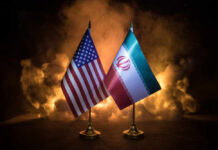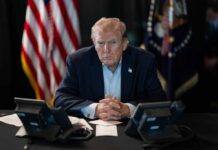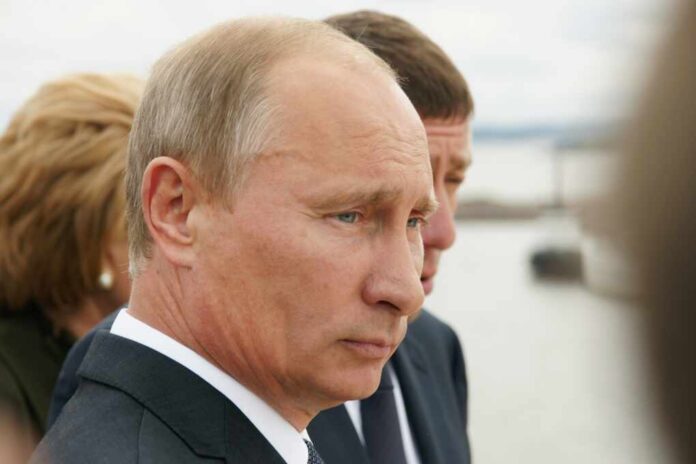
Russia’s nuclear-armed regime allegedly fed Iran intelligence on U.S. warship and aircraft locations even as Putin denied the betrayal directly to President Trump, exposing a dangerous double game that puts American lives at risk.
Story Snapshot
- Putin denied sharing U.S. military asset locations with Iran during March 9 phone call with Trump, despite intelligence reports confirming the practice
- Russia allegedly provided Iran real-time intelligence on U.S. warships and aircraft positions since the conflict escalated following Supreme Leader Ali Khamenei’s death
- Trump engaged Putin diplomatically while U.S. forces face mounting casualties from Iranian drone and missile attacks potentially guided by Russian intel
- The Russia-Iran intelligence axis marks a dangerous escalation beyond prior military cooperation, directly endangering American servicemembers in the Middle East
Putin’s Diplomatic Façade Masks Alleged Betrayal
Vladimir Putin reportedly denied sharing intelligence with Iran during an hour-long March 9 phone call with President Trump, even as U.S. officials confirmed Russia has been providing Tehran with critical data on American military positions. The Kremlin characterized the discussion as “frank and businesslike,” with Putin offering settlement proposals informed by consultations with Gulf states and Iran. Trump later told reporters the war could end “very soon,” suggesting optimism from the exchange. Yet intelligence reports paint a starkly different picture of Russian behavior, indicating Moscow is playing both sides while American forces remain in Iranian crosshairs.
Intelligence Sharing Puts U.S. Forces at Risk
According to Washington Post sources cited by security officials, Russia has been providing Iran with intelligence on U.S. military asset locations, including warships and aircraft deployed across the Middle East. This intelligence sharing began following the U.S.-Israel strike that killed Iranian Supreme Leader Ali Khamenei on February 28, triggering a massive retaliation campaign. The collaboration represents a significant escalation from previous Russia-Iran military cooperation, which primarily involved Iranian drone supplies for Russia’s Ukraine operations. As U.S. casualties mount from Iranian missile and drone attacks, the revelation that a nuclear-armed rival is actively assisting enemy targeting raises serious questions about Russian intentions and the viability of diplomatic engagement with Moscow.
Trump Navigates Complex Geopolitical Chessboard
President Trump is managing multiple crises simultaneously as U.S. and Israeli forces continue operations against Iranian infrastructure in Tehran, Isfahan, and Shiraz. Trump characterized Iran’s succession of Mojtaba Khamenei as supreme leader a “big mistake” and signaled openness to seizing Iranian oil assets if necessary. The administration maintains pressure through military operations while exploring diplomatic offramps, including engagement with Putin despite his regime’s alleged support for Iran. Ukrainian President Zelenskiy criticized Russian “manipulation” aimed at opening a “second front” against the West. Intelligence intercepts suggest potential Iranian sleeper cell activation within U.S. borders, heightening domestic security concerns as the conflict intensifies abroad.
Russia’s Duplicity Undermines Peace Prospects
The Center for Strategic and International Studies noted the Trump-Putin call showed promise for potential Iran denuclearization discussions but questioned Russia’s commitment given its material support for Tehran. Russia’s alleged intelligence sharing contradicts expected neutrality from a nation claiming to seek regional stability. This duplicitous behavior—offering diplomatic solutions to Trump while simultaneously enabling Iranian attacks on U.S. forces—mirrors tactics Moscow has employed throughout its Ukraine campaign. The collaboration poses long-term risks including a strengthened Russia-Iran nuclear and military entente that could spark wider regional war. For Americans frustrated with adversaries exploiting perceived weakness, this situation demands clear-eyed recognition that Putin’s words matter far less than his actions, which consistently undermine U.S. security interests and endanger the brave men and women serving in harm’s way.
Trump’s pragmatic approach seeks to end the conflict quickly while maintaining maximum pressure on Iran, but Putin’s alleged double-dealing complicates peace efforts and exposes the limits of diplomatic engagement with authoritarian regimes pursuing anti-American agendas. The administration must balance negotiation attempts with resolute defense of U.S. forces and interests against those who smile while sharpening knives behind their backs.
Sources:
Iran International – Trump and Putin Discuss Iran War During Phone Call
KOB/AP – Trump and Putin Discuss Iran War During a Phone Call
CSIS – The Trump-Putin Phone Call: Some Promise, Some Disappointments, and Many Questions