The Supreme Court unanimously hands a major victory to a bold street preacher, clearing the way to challenge a Mississippi city’s restrictions on public evangelism and protecting First Amendment rights nationwide.
Story Highlights
- Supreme Court rules 9-0 on March 20, 2026, allowing Gabriel Olivier’s federal lawsuit against Brandon, Mississippi, to proceed despite prior convictions.
- Justice Elena Kagan authors the decision, distinguishing this case from the 1994 Heck v. Humphrey precedent by focusing on forward-looking injunctions.
- Victory safeguards religious free speech, empowering conservatives and patriots to defend faith in public spaces against government overreach.
- First Liberty Institute hails it as a win for every American’s right to court access when First Amendment rights are violated.
- Case returns to lower courts to examine if the ordinance unconstitutionally limits evangelism near public venues.
Supreme Court Delivers Unanimous Win for Street Preacher
Gabriel Olivier, an evangelical Christian evangelist, secured a procedural triumph from the U.S. Supreme Court on March 20, 2026. The Court ruled 9-0 that Olivier can pursue his federal lawsuit challenging Brandon, Mississippi’s ordinance restricting protests near the city amphitheater. Lower courts had dismissed the suit under the Heck rule, but the justices reversed that, affirming his right to seek an injunction against future enforcement. This decision upholds access to federal courts for constitutional challenges, a key protection for individual liberties cherished by conservatives.
Background of Olivier’s Confrontations with City Ordinance
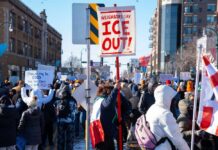
Brandon’s ordinance designates specific protest zones to manage demonstrations at public facilities like the amphitheater. Olivier first faced charges in 2019 for evangelizing outside these zones; he pleaded no contest and paid a $304 fine. In May 2021, police arrested him again while he protested with his group, displaying images of aborted fetuses and using a loudspeaker. He received a small fine and one-year probation after pleading no contest. These incidents highlight tensions between municipal order and robust free speech, especially religious expression central to American values.
Heck Rule Overturned in Narrow Procedural Ruling
The 1994 Supreme Court case Heck v. Humphrey barred civil suits that could undermine criminal convictions. Federal district and appeals courts applied this to block Olivier’s lawsuit. Justice Elena Kagan’s opinion clarified that the Heck rule does not apply when plaintiffs seek only forward-looking relief, like stopping future ordinance enforcement, without challenging past convictions. This unanimous ruling restores balance, preventing lower courts from shielding potentially unconstitutional local laws from scrutiny and bolstering defenses against government restrictions on speech.
Olivier filed his suit months after the 2021 arrest, alleging First Amendment violations. Oral arguments occurred in December 2025, leading to the March 2026 decision. The ruling sends the case back to district court for merits review, without opining on the ordinance’s constitutionality.
Stakeholders Celebrate Victory for Religious Liberty
The First Liberty Institute, a conservative legal group, backed Olivier alongside Gibson Dunn attorney Allyson Ho. Kelly Shackelford, the institute’s president, called it a win for sharing faith publicly and accessing courts for violated rights. Ho emphasized judicial protection for spreading the gospel. Brandon officials argue the ordinance is content-neutral for public order and warn of lawsuit floods against cities. This precedent empowers faith-driven Americans while challenging municipal overreach, aligning with President Trump’s push to protect constitutional freedoms from leftist encroachments.
EDITORS' PICK | Supreme Court lets preacher challenge city law restricting where he can evangelize https://t.co/JmwSOVFnnS
— The Washington Times (@WashTimes) March 21, 2026
Broader Implications for Free Speech and Public Ministry
Short-term, Olivier gains a platform to contest the ordinance’s limits on evangelism. Long-term, the decision clarifies civil rights law, enabling similar challenges nationwide without Heck barriers. Street preachers, activists, and conservatives benefit, potentially reshaping public space rules. Cities face litigation risks, but this advances religious freedom against zones that could silence pro-life messages or traditional values. In Trump’s America, such rulings reinforce family values and individual rights over bureaucratic control, offering hope amid past woke assaults on faith.
Sources:
The Daily Record – Supreme Court allows Mississippi preacher’s protest arrest challenge to proceed