Syrian government forces have seized control of the nation’s largest oil field and strategic infrastructure from US-backed Kurdish forces, marking a pivotal shift in post-Assad Syria that could fundamentally reshape American influence in the region.
Story Highlights
- Syrian troops captured Al-Omar oil field, Conoco gas field, and strategic Tabqa town with dam from Kurdish SDF forces
- Arab tribal allies overwhelmed Kurdish positions across 93-mile stretch, signaling collapse of Kurdish autonomy
- US finds itself caught between supporting Kurdish allies and working with new Syrian government
- Syrian government regains control of approximately 25% of national oil revenue previously held by separatist forces
Strategic Infrastructure Falls Under Government Control
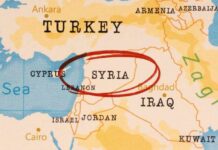
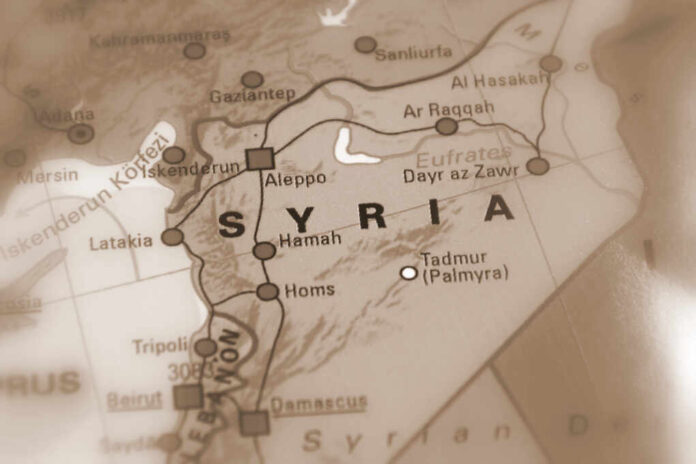
President Ahmad al-Sharaa’s Syrian forces executed a coordinated offensive on January 17-18, 2026, seizing the Al-Omar oil field, Conoco gas field, and the strategically vital town of Tabqa in Raqqa province. The operation captured Syria’s largest oil production facility along with the Tabqa dam and military airbase. The Syrian Petroleum Company immediately moved to restart field operations, restoring crucial revenue streams to the central government after years of separatist control.
🇸🇾🇺🇸🇬🇧The "Syrian" army of Julani captured the Conoco gas fields belonging to the Kurds… The Kurds – allies of the US & England… are now suffering significant losses along the entire perimeter…Looks like they were abandoned by Americans & Brits for good 🤷♂️ pic.twitter.com/iKEv1b9rO8
— Roberto (@UniqueMongolia) January 18, 2026
Kurdish Separatist Control Crumbles Amid Tribal Uprising
The Syrian Democratic Forces, which had maintained control over northeast Syria since 2017, found themselves overwhelmed by a combination of government troops and local Arab tribal fighters. The Baqqara and Akaidat tribes, long resentful of Kurdish dominance in their ancestral lands, provided crucial support that enabled Syrian forces to advance across a 93-mile front. SDF leader Mazloum Abdi declared “general mobilization” in what Kurdish forces termed an “existential war,” but the retreat appeared irreversible.
Local residents in Tabqa welcomed Syrian government troops, highlighting the fragile nature of Kurdish rule in predominantly Arab areas. The collapse of a March 2025 integration agreement between Damascus and the SDF had set the stage for this confrontation. Arab tribes had grown increasingly frustrated with Kurdish control over their traditional territories and the region’s valuable energy resources.
American Foreign Policy Faces Middle East Reality Check
The offensive places the United States in an increasingly untenable position, caught between its Kurdish allies and the need to work with Syria’s new government. US CENTCOM Commander Brad Cooper called for a ceasefire, but American influence appeared limited as Syrian forces consolidated their gains. The US maintains approximately 900 troops at bases near the seized oil fields, ostensibly for anti-ISIS operations, but their continued presence now seems questionable.
This development exposes the contradictions in decades of American Middle East policy that supported separatist Kurdish forces while claiming to respect Syrian sovereignty. The Biden administration’s support for Kurdish autonomy has created a legacy problem for President Trump, who must now navigate between abandoning longtime allies and supporting Syrian territorial integrity.
https://youtu.be/IoCBENIVqQ4?si=W9zHKajzOCMlO4ww
Sources:
Syrian army seizes oil and gas fields after fighting Kurdish-led forces
Syrian government forces seize strategic oil fields from Kurdish-led SDF
Syrian government seizes strategic town from Kurdish forces
The end of the Kurdish entity in Syria