During a government shutdown, over a million active-duty troops and federal workers faced delayed paychecks. An anonymous donor contributed $130 million to the Pentagon to cover military salaries, a move announced by President Trump. The donor was later identified as Timothy Mellon, a banking heir and supporter of President Trump. This marks a notable instance of private funding for federal payroll at this scale.
Story Highlights
- Timothy Mellon, a billionaire and Trump supporter, was identified as the anonymous donor who provided $130 million to cover military paychecks during the government shutdown.
- This donation represents an unusual precedent, prompting discussions about private citizens funding basic government functions.
- Questions raised regarding whether the Pentagon’s acceptance of the funds complied with the Antideficiency Act.
- President Trump’s public acknowledgment of the donation highlighted the role of private contributions during periods of congressional inaction.
Context of the Donation
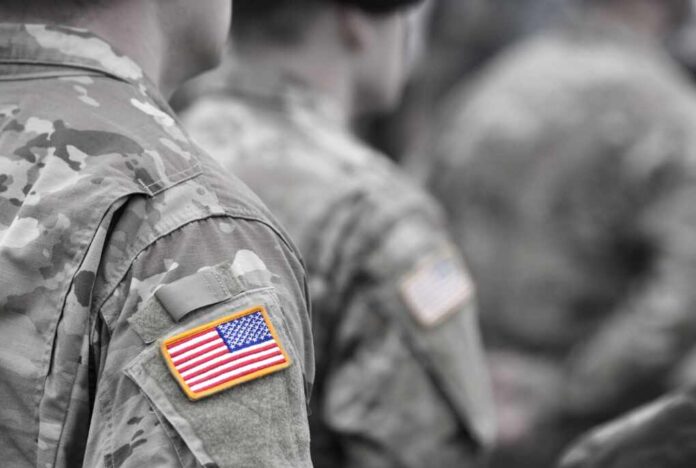
In the third week of a government shutdown, military personnel and federal employees faced the prospect of missed pay. President Trump announced that an undisclosed “patriot” had contributed $130 million to the Pentagon to ensure military salaries were paid. The donor’s identity was initially withheld, leading to public discussion about the government’s ability to fund its military.
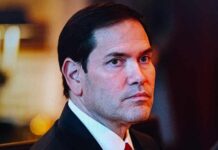
The New York Times subsequently identified the donor as Timothy Mellon, a billionaire with ties to the banking industry and a supporter of President Trump. Mellon’s contribution is considered the first modern instance of a private individual directly funding federal payroll on such a large scale. While the immediate financial relief for military families was acknowledged, the situation prompted questions about the implications of private funding for essential government services during political impasses.
God bless Mr. Mellon for thinking about our troops. Timothy Mellon Identified as $130 Million Donor to Fund U.S. Troops https://t.co/YHsnY7QwcW via @BreitbartNews
— Gordfather 🇺🇸 ⚾️ 🚜 🦅☝️ (@GordonRich4739) October 26, 2025
Legal and Ethical Considerations
The Pentagon’s decision to accept Mellon’s donation drew attention from oversight organizations. The Antideficiency Act generally prohibits federal agencies from accepting voluntary services or spending beyond appropriated funds. Pentagon officials cited their “general gift acceptance authority” in response to concerns. Critics contended that using private funds for government worker salaries could challenge existing legal frameworks and congressional oversight. Nonprofit leaders and constitutional scholars expressed concerns that such actions could establish a precedent, potentially blurring the lines between public accountability and private influence.
The inability of Congress to pass a budget and ensure military families were paid led to increased discussion about private intervention in core government functions. Potential legal challenges may arise as groups seek clarification on the Pentagon’s adherence to federal law and its impact on established checks and balances.
Impact and Future Implications
Mellon’s donation provided immediate financial support for military personnel, allowing them to receive their pay despite the congressional gridlock. For some, the event underscored the importance of elected officials fulfilling their constitutional responsibilities. However, the reliance on private wealth to address government shortfalls also raised broader questions about the future of democratic governance and the potential for private influence in public affairs.
President Trump’s commendation of Mellon emphasized themes of patriotism and privacy, resonating with those who expect elected leaders to ensure national security and family well-being. While Mellon’s action offered a temporary solution, it initiated a wider discourse on the implications of privatizing essential government services and the potential erosion of democratic norms. The legal, political, and societal consequences of this event are expected to influence future discussions on government accountability, executive authority, and the appropriate role of private influence in American society.
The episode serves as a reminder of the challenges to constitutional order when legislative bodies face difficulties in fulfilling their duties, leading to private entities stepping in to address governmental gaps. Discussions continue regarding the need for fiscal discipline, constitutional integrity, and the avoidance of government dysfunction becoming a recurring pattern.
Watch the report: Mystery solved: Trump’s billionaire friend gave $130M to pay troops, now his identity is out
Sources:
Trump ally donated $130 million to pay troops amid shutdown, revealed as reclusive billionaire heir
Billionaire Trump supporter revealed as $130 million donor to pay U.S. troops during shutdown