Amid mass protests, a brutal regime crackdown, and escalating threats from Tehran, President Trump is signaling a dramatic shift in U.S. foreign policy toward Iran. Warning that America “may have to act before a meeting,” Trump is coupling a possible negotiation with a clear message of “unmistakable American strength.” The article details the domestic turmoil driven by economic grievances, the regime’s lethal response, and the high-stakes risk of regional conflict as Trump ties future talks to a cessation of hostile behavior.
Story Highlights
- Trump says Iran’s leaders “called” and “want to negotiate,” but warns the U.S. may act before any meeting.
- Mass protests, subsidy anger, and deadly crackdowns inside Iran are testing Trump’s red lines.
- Tehran threatens U.S. bases and Israel, raising the stakes for American forces and allies.
- Trump eyes “very strong options” and possible Starlink support to break Iran’s internet blackout.
Trump Links Talks With Tehran To Possible U.S. Action
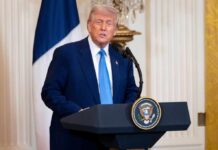
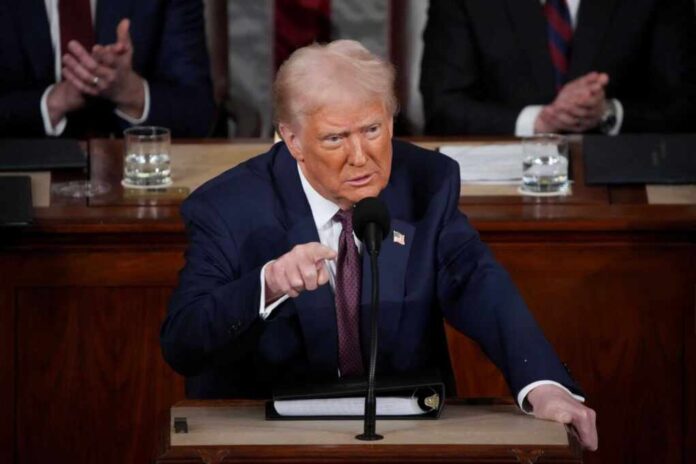
President Trump’s latest comments aboard Air Force One lay out a stark message for Tehran and for Americans who are tired of years of weak-kneed foreign policy. He says Iran’s leaders “called” and “want to negotiate,” with a meeting “being set up,” but he couples that with a warning that the United States “may have to act before a meeting.” That pairing of outreach and hard power defines his approach: diplomacy, yes, but only from a position of unmistakable American strength.
Trump’s remark does not come in a vacuum. Iran is in the middle of sweeping protests driven by crushing inflation, subsidy cuts, and long-simmering anger at decades of misrule. Security forces are accused of killing protesters while the regime flips the internet on and off to keep images from reaching the outside world. Against that backdrop, Trump says the U.S. military is reviewing “very strong options” and that Iran is “starting to” cross his red line on killing civilians.
🚨 STUNNING TURN: Trump is reportedly throwing his weight behind Iranian protesters, with military action now on the table against Tehran. The stakes just skyrocketed as the crisis barreled toward a high-risk showdown.#Iran #Trump pic.twitter.com/VHBFelAY8C
— Rizwan Shah (@rizwan_media) January 12, 2026
Inside Iran’s Unrest And The Regime’s Crackdown
On Iranian state television, President Masoud Pezeshkian acknowledges that economic grievances are fueling demonstrations, even as he warns that so‑called “rioters” will not be tolerated. His government is pushing a major subsidy reform program, promising market stability and higher purchasing power, but ordinary Iranians are feeling only higher prices and fewer opportunities. To keep control, authorities have imposed heavy internet restrictions and organized pro‑regime rallies to counter the spontaneous protests demanding accountability and change.
For conservatives in the United States, the pattern is all too familiar: a regime that crushes dissent at home while funding proxy militias and threatening Americans abroad. Iranian security forces, including the Revolutionary Guard and Basij, are at the center of the clampdown, accused of using lethal force and enforcing the blackout that protesters are trying to evade with smuggled Starlink terminals. Trump’s team is now openly exploring ways to expand that satellite access, challenging an authoritarian state that fears its own people’s voices.
Escalation Risks For U.S. Forces, Israel, And The Region
While Trump sharpens his tone, Tehran is issuing its own threats, warning it will target U.S. military assets and Israel if Washington strikes. Israel, already accustomed to Iranian missiles and terror proxies near its borders, has raised alert levels and is monitoring the turmoil closely. Prime Minister Benjamin Netanyahu has suggested that a change in Iran’s leadership could someday reopen the door to peace, a scenario that would dramatically reshape the security map conservatives have watched degrade under years of globalist appeasement.
At home, Trump’s stance reflects a broader shift from the previous administration’s mixed messages toward Iran. Rather than sending pallets of cash or chasing fragile nuclear deals, this White House is tying any future talks to behavior: stop killing protesters and threatening American troops, or face consequences. That approach carries real risk. Any miscalculation could spiral into a wider regional conflict that disrupts global energy markets and endangers U.S. service members. But it also reasserts a basic conservative principle—peace is more likely when enemies genuinely fear crossing American red lines.
For readers who watched the last administration preside over inflation, open borders, and apologetic foreign policy, Trump’s Iran stance underscores a return to prioritizing national strength. He is receiving near‑constant updates, preparing to meet senior advisers, and signaling that any negotiation will happen, if at all, with America in the driver’s seat. The coming days will test whether Tehran believes those words are different from the empty warnings it grew accustomed to under softer leadership—or whether, this time, Washington truly is prepared to act first and talk later.
Watch the report: Trump Says Iran Called to Negotiate as He Warns US May ‘Act’ Amid Protests
Sources:
- Iran warns it will retaliate if US attacks, as hundreds killed in protests
- Trump says Iran wants to negotiate, weighs ‘strong options’ to respond to deadly protest crackdown
- Trump says Tehran wants to negotiate as he weighs U.S. response to regime’s crackdown on protests | CBC News