Spirit Airlines claims it smells something fishy about the United-JetBlue partnership, but the DOT seems to have packed their nose plugs.
At a Glance
- DOT approves United-JetBlue collaboration, despite competition concerns.
- Spirit Airlines opposes the deal, fearing reduced competition.
- The partnership allows for coordinated flights at JFK Airport.
- Approval suggests a shift in regulatory enforcement under the Trump administration.
DOT’s Green Light: A Blue Sky for United and JetBlue
The U.S. Department of Transportation has given the go-ahead for a strategic partnership between United Airlines and JetBlue Airways, dubbed the “Blue Sky” collaboration. This allows the two airlines to coordinate up to seven daily round-trip flights at New York’s JFK Airport. Despite objections from Spirit Airlines, who raised concerns about reduced competition, the DOT quietly approved the deal, stirring industry and public debate.
United Airlines, JetBlue partnership gets Trump admin clearance to fly https://t.co/XOouWpmXnh
— FOX Business (@FoxBusiness) July 30, 2025
Spirit Airlines had previously filed a complaint, fearing that the partnership would further consolidate the airline industry, decreasing competition. However, the DOT’s decision went through with minimal public transparency, leaving many to wonder about the long-term implications for the industry.
Historical Context: A Turbulent Flight Path
JetBlue has been on the lookout for partnerships to remain competitive, especially after failed merger attempts with Spirit and American Airlines. United, on the other hand, has been eager to regain a strong presence at JFK after losing ground to Delta due to capacity restrictions at Newark.
JetBlue’s strategic need to form alliances comes amid rising costs and competitive pressures, making the partnership with United a lifeline to maintain viability. The DOT’s approval of this deal, without the usual fanfare, hints at a shift in regulatory enforcement under the Trump administration, which leans towards industry-friendly policies.
Watch: DOT approves United, JetBlue partnership
The Power Players: Who’s Who in the Air?
United Airlines and JetBlue are the main actors in this unfolding drama, now partners rather than competitors at JFK. United seeks to expand its market share, while JetBlue aims for operational stability through this alliance. Spirit Airlines, the objector, fears a squeeze from this consolidation, while the DOT stands as the regulator trying to balance industry health with competition enforcement.
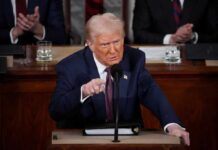
Advocacy groups, like the American Economic Liberties Project, have been vocal critics, labeling the deal a “pseudo merger” that could harm consumers by reducing competition. The decision-makers include DOT Secretary Sean Duffy and President Donald Trump’s administration, whose regulatory stance seems to favor industry consolidation.
Impact and Industry Implications
The short-term impact of this partnership will likely be increased connectivity at JFK, but with the potential downside of higher fares due to reduced competition. In the long term, this collaboration might evolve into a full merger, further concentrating the industry and possibly facing regulatory backlash.