American drivers are watching gas prices skyrocket as a US blockade of Iranian oil exports through the Strait of Hormuz sends oil markets into chaos, with Brent crude surging to $97 per barrel while diplomatic talks collapse over nuclear weapons concerns.
Story Snapshot
- Oil prices jump 6-7% as US blockade halts Iranian exports through critical Strait of Hormuz chokepoint
- Peace negotiations collapse over US demand for 20-year uranium enrichment halt versus Iran’s 3-5 year counteroffer
- Strait of Hormuz controls ~20% of global oil supply, creating immediate economic pain for American consumers
- Pakistan emerges as potential mediator as reports suggest talks could resume despite escalating tensions
Blockade Triggers Oil Market Turmoil
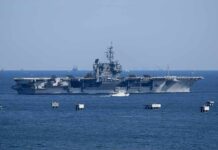
The Trump administration’s blockade of Iranian oil exports through the Strait of Hormuz has sent energy markets into turmoil just one day after implementation. Brent crude climbed 7% to $97 per barrel while West Texas Intermediate rose 6% to $88 per barrel. The 21-mile-wide strait serves as a critical chokepoint for approximately 20% of the world’s oil supply, making any disruption immediately felt by American consumers already frustrated with inflation. Oil tankers have reached a standstill despite some vessels continuing to pass through the contested waterway, creating uncertainty about enforcement.
Nuclear Red Lines Derail Diplomatic Progress
Negotiations between the United States and Iran collapsed last weekend over fundamental disagreements about uranium enrichment timelines and maritime control. The Trump administration demands Iran halt uranium enrichment for 20 years and ensure free transit through the Strait of Hormuz, which Iran has controlled since the current conflict began. Iranian leadership countered with an offer of just 3-5 years suspension while resisting concessions on the strait. The US position remains firm: “Iran can never have a nuclear weapon—all red lines flow from that.” This standoff differs from previous JCPOA breakdowns because it involves an active military blockade during ongoing conflict, directly linking nuclear non-proliferation goals to control of a vital shipping route.
Economic Fallout Hits American Households
The immediate economic consequences are hitting American families hard as gas prices surge nationwide. Energy traders cite persistent Hormuz risks as the primary catalyst driving price jumps beyond the stalled diplomatic talks. Oil importers across the United States, Europe, and Asia face sharply higher costs while Iranian exporters lose critical revenue streams. This situation vindicates concerns many Americans have expressed about how foreign policy decisions by Washington elites directly impact their daily lives. The 6-7% oil price jump disrupts markets and threatens to accelerate inflation that working families have struggled with for years, raising questions about whether government officials prioritize geopolitical leverage over the economic wellbeing of ordinary citizens.
Congressional Pushback and Diplomatic Wildcards
Democrats in Congress are pushing a War Powers resolution aimed at curbing presidential military actions amid mounting economic and security risks from the blockade. This mirrors 2020 efforts to limit Trump-era actions in the region, reflecting deep skepticism about unchecked executive authority even among those who share non-proliferation goals. Pakistan has positioned itself as a potential neutral mediator, offering to host renewed negotiations. Two sources indicate talks could restart as early as this week despite the apparent collapse. The fluid diplomatic situation leaves Americans wondering whether their representatives can navigate these tensions without either capitulating to a nuclear-armed Iran or imposing indefinite economic pain through prolonged confrontation.
The immediate future hinges on whether backchannel diplomacy can bridge the 15-year gap between American and Iranian positions on uranium enrichment while resolving maritime control disputes. Optimists point to Pakistan’s mediation offer as a potential breakthrough, while pessimists warn that prolonged blockade enforcement will continue driving energy costs higher. For Americans filling their tanks and paying their heating bills, the distinction between diplomatic strategy and economic consequences matters little—they need solutions from a government that too often seems more focused on international posturing than protecting citizens from the fallout of its own policies.
Sources:
Oil Markets Jump on US-Iran Hormuz Tensions
Oil prices jump on US plans to blockade Iranian ports in …
U.S. Blockade of Hormuz Holds Firm Under Pressure