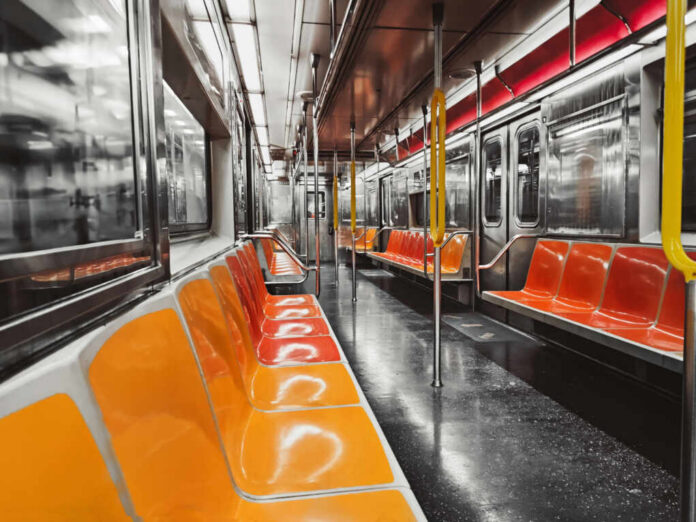
A 15-minute train ride that normally costs about $13 is being priced at $150 for World Cup matchdays—raising fresh questions about who really pays when global mega-events come to town.
Quick Take
- NJ Transit set a $150 round-trip fare from New York Penn Station to MetLife Stadium for 2026 FIFA World Cup games in East Rutherford, New Jersey.
- The regular fare is about $12.90 for the short route, but officials say event-day operations create a major one-time cost that must be recovered.
- New Jersey officials cite roughly $62 million in transportation expenses, with about $14 million covered by grants, leaving a large bill to absorb.
- Gov. Mikie Sherrill criticized FIFA for providing $0 toward transportation costs despite the organization’s reported tournament revenues.
$150 Round-Trip Pricing Turns a Short Commute Into a Major Expense
NJ Transit confirmed that round-trip train travel between New York City’s Penn Station and MetLife Stadium will cost $150 on days the stadium hosts FIFA World Cup matches beginning June 13, 2026. The same trip is typically priced around $12.90 and covers roughly nine miles in about 15 minutes. With no on-site parking planned for matchdays and tens of thousands expected to rely on transit, the fare is effectively part of the cost of attending.
The sticker shock isn’t just about sports. It lands in a broader era when many Americans—especially middle-class families—already feel squeezed by high prices for basics. World Cup tickets can be expensive on their own, so a steep transportation surcharge becomes another barrier to participation. Even for fans who can afford it, the pricing model looks less like “public transit” and more like a special event toll layered onto a service many taxpayers already support.
Officials Say the Cost Is Real—But the Funding Structure Is the Fight
State and transit officials argue the fare spike is meant to cover unusually high operational demands: extra trains, staffing, crowd-control logistics, and safety planning for crowds expected to reach about 40,000 transit riders per match. Reporting cited total transportation costs around $62 million, with roughly $14 million in grants, leaving a large remainder to be paid. Gov. Mikie Sherrill framed the issue as avoiding a long-term burden on everyday commuters and the transit system.
The political dispute centers on who should pick up that remainder. Sherrill publicly criticized FIFA for contributing $0 toward the transportation bill, contrasting that with reported World Cup revenues. That criticism resonates beyond party lines because it mirrors a common complaint about global organizations: profits are privatized while host communities absorb the hardest operational costs. At the same time, NJ Transit’s position also reflects a practical constraint—if the state eats the cost, riders and taxpayers may ultimately pay anyway.
No Discounts for Seniors, Children, or Disabled Riders Adds to Backlash
Reports also indicated there would be no discounted fares for seniors, children, or disabled riders on the NYC-to-MetLife World Cup route. That detail matters because it turns an already high event-day fare into a flat charge that can hit vulnerable groups hardest. For families attending together, the transportation bill can balloon quickly, especially if fans attend multiple matches. Critics see the “no discounts” approach as inconsistent with the public-service mission typically associated with transit agencies.
A Precedent for Mega-Event “Surge Pricing” in the Northeast Corridor
New Jersey is not alone in using elevated event-day pricing tied to World Cup logistics. Other Northeast-area examples reported for 2026 include higher round-trip fares connected to matches near Foxborough, Massachusetts. Those comparisons provide context, but they also underscore the larger trend: major events can trigger temporary transportation markets where governments and quasi-public agencies attempt to recover costs quickly from a captive audience. For conservatives wary of bureaucracies and special-interest deals, the key question is whether host agreements were structured to protect residents.
What It Signals About Government Priorities and Accountability
The fare controversy highlights an uncomfortable reality for many Americans across the political spectrum: big institutions often make commitments, then hand the bill to people with the least leverage. New Jersey officials say they inherited an agreement that left NJ Transit facing a huge net cost, while FIFA’s role appears financially insulated from local transit expenses. With Republicans controlling Washington in 2026, pressure may build for clearer rules around international event hosting—so taxpayers and regular commuters aren’t stuck subsidizing arrangements they didn’t negotiate.
$13 train fare spikes to $150 for World Cup fans attending games in New Jersey @WashTimes https://t.co/HobwZyzua6
— Washington Times Local (@WashTimesLocal) April 17, 2026
For now, the practical effect is straightforward: fans headed from Manhattan to MetLife should plan for a transportation cost that looks more like a premium ticket add-on than a normal train fare. The policy may keep NJ Transit’s broader budget from taking a hit, but it also tests public trust in whether government-linked agencies serve citizens first. With matchday crowds approaching and final decisions still a public flashpoint, the pricing debate is likely to intensify as June approaches.
Sources:
$13 train fare spikes to $150 for World Cup fans attending games in New Jersey
New Jersey Gov. Mikie Sherrill rips FIFA amid reports NJ Transit tickets for World Cup over $100