Shots fired at U.S. Coast Guard crews on the Rio Grande triggered a rapid 500‑troop surge to Texas within days.
Story Snapshot
- The U.S. Coast Guard reported gunfire from the Mexican side near Garceno, Texas, and returned fire.
- No U.S. personnel were hurt and no Coast Guard boats were damaged, officials said.
- Roughly 500 U.S. troops are deploying to the Rio Grande Valley in response, reporters noted.
- Officials tie the incident to a larger border fight involving cartel tactics, including drone use.
Confirmed Exchange Of Gunfire On The Rio Grande
U.S. Coast Guard officials said gunfire came from the Mexican side of the Rio Grande near Garceno, Texas, on September 26. Coast Guard crews were on joint interdiction operations with federal partners when shots were fired. Coast Guard personnel returned fire. Officials reported no injuries and no damage to Coast Guard boats. The incident occurred in Starr County, a hot spot for cross‑border trafficking and river smuggling along shallow stretches of the river.
Federal officials described the joint operation as a law enforcement mission aimed at stopping smuggling and other cross‑border crime. The Coast Guard operates riverine boats in this sector to support other agencies. The exchange of fire underscores the risk as crews patrol close to the international boundary on tight waterways. Coast Guard leaders said the event remains under review, a common step after any use of force to check procedures and evidence.
Rapid U.S. Troop Deployment To The Valley
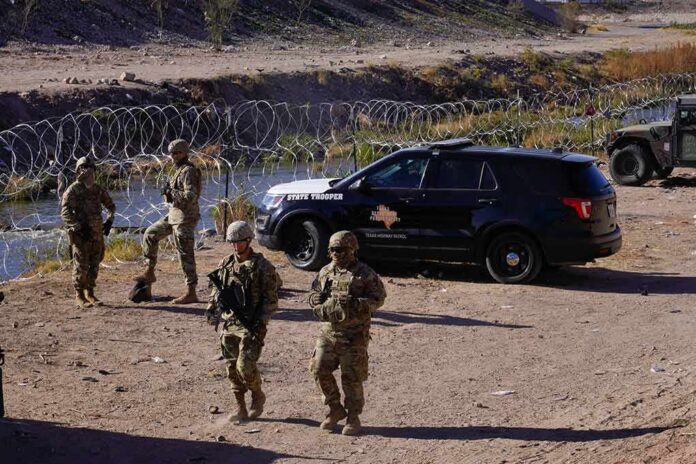
News outlets reported that about 500 U.S. troops are moving into the Rio Grande Valley after the shooting. Reporters linked the deployment to the September 26 incident and to a broader push to reinforce federal partners along the border. Reinforcements are expected to support surveillance, logistics, and deterrence missions that free up front‑line agents for arrests and seizures, according to coverage of the surge plan and its goals.
Coverage indicated that the added troops would stage at key crossing points and islands in the river corridor to speed response times. Helicopters and mobile units often shift forces quickly across this terrain. Such surges have become more common after high‑risk events along the river. Officials use short‑term deployments to blunt threats, backstop local agents, and signal that attacks on U.S. personnel will face a strong answer.
Why This Fits A Larger Border Security Pattern
Security analysts say this incident lands in a wider pattern where criminal groups test U.S. responses while using cheap tech to scout and distract. Over the past year, reporting has detailed how cartels use simple commercial drones to watch patrols, map weak spots, and guide smuggling runs. U.S. agencies have raised alarms and invested in tools to detect and defeat unmanned aircraft systems near the border.
Friday October 2nd 2026 [Evening News Brief]
🟥 🇺🇸U.S. Northern Command launched Operation Unified Response in the Rio Grande Valley with 500 Young American Warriors after cartel gunmen opened fire on a U.S. Coast Guard boat.
🟥Iraqi anti-terror agency acknowledges civilian… pic.twitter.com/59k8FGNd6M
— Apexguard (@apexguardhq) October 3, 2026
Think about the stakes for everyday people. Border towns want safe streets and fair trade. Ranchers want secure land. Families nationwide want drugs and weapons kept out. When gunfire reaches U.S. crews on the river, leaders feel pressure to act fast. That is why even a brief firefight can trigger a force surge. Supporters see a needed stand for sovereignty. Critics worry about mission creep, costs, and strained ties with Mexico. Both sides share a core concern: the system is not working.
What Comes Next On The River
Federal teams will likely harden patrol routes, step up night coverage, and coordinate more closely with state and local partners. After‑action reviews will study angles of fire, radio traffic, and camera feeds. If investigators tie the shooters to a known smuggling cell, expect targeted interdictions and arrests. If threats persist, commanders could extend the deployment or rotate in specialized units for sensors, aviation support, and counter‑drone tasks.
Leaders in Washington and Austin both say they want safer borders and safer communities. People on the right and left also want accountability for how money is spent and results delivered. This event tests both goals. A clear metric will be whether assaults on U.S. personnel stop, drug seizures rise, and crossings tied to cartels fall. If not, voters will ask why powerful institutions reacted fast to a crisis, but still failed to fix the grind that fuels it.
Sources:
townhall.com, stripes.com, ntd.com, fox7austin.com, independent.co.uk