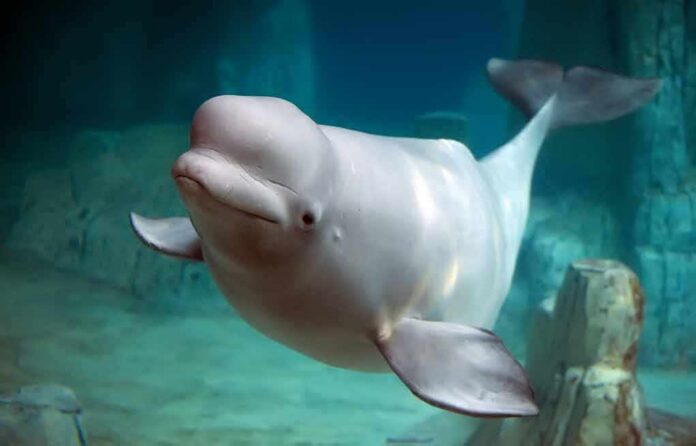
A third beluga whale transferred from Canada to Chicago’s Shedd Aquarium died after a rapid health decline that staff could not reverse.
Story Snapshot
- Shedd said Osiris, a 26-year-old female beluga, died Monday after sudden breathing changes.
- Osiris was among belugas moved from Marineland in Niagara Falls to U.S. facilities this summer.
- Veterinarians moved her to a medical habitat and attempted lifesaving care before she died.
- A full necropsy is underway; the aquarium had flagged her as medically vulnerable.
What Shedd Aquarium Reported About Osiris’s Final Hours
Shedd Aquarium said staff noticed sudden changes in Osiris’s behavior and breathing on Monday morning. Teams moved her to the medical habitat to provide immediate treatment. Veterinarians and animal care staff attempted lifesaving measures, but her condition declined fast and she died. The aquarium identified Osiris as a 26-year-old female who arrived in late July after transfer from Canada. Shedd said a full necropsy is underway to determine the cause of death, with results pending.
Multiple outlets reported the same core facts, including Osiris’s age, Marineland origin, and the rapid decline described by Shedd. Reports also noted she was one of several belugas moved from the closed Marineland park this summer. Coverage from Canada’s public broadcaster said Osiris was one of ten whales that came to Shedd from Marineland. That common framing helps confirm her identity and recent transfer timeline across independent newsrooms.
How This Death Fits Into Recent Beluga Transfers
Osiris was the third beluga from Marineland to die at Shedd in recent weeks, part of a larger, complex relocation of belugas to aquariums in the United States and abroad. Local reporting in Chicago noted Shedd had already faced two beluga deaths earlier this month, including a newly rescued animal. The broader relocation effort followed Marineland’s closure and involved permits, health assessments, and placement across several accredited facilities.
Context from regional and national coverage explains why these events draw strong attention. When several animals die after a transfer, the debate often moves from one case to wider questions about transport stress, baseline health, and care in captivity. Those questions can be hard to answer quickly because pathology tests and medical reviews take time. The simple facts that resonate first are the ones the public sees: another death, the same source, the same destination.
Medical Vulnerability, Ongoing Testing, and What Comes Next
Shedd and several outlets described Osiris as a whale already under medical concern after arrival, receiving treatment for health issues. That detail matters because the Marineland cohort was not a random group of healthy animals. Reporting indicates some transfers included animals with clinical challenges, which can raise risk during the stressful period after a move. Shedd says the necropsy and lab work aim to determine a specific cause of death before drawing broader conclusions.
Third Rescued Beluga Whale Dies at Shedd Aquarium 3 Weeks After 2 Rescued Belugas Die https://t.co/SEUeMe8s68
— People (@people) September 23, 2026
Authorities and aquariums often release necropsy findings after lab tests are complete. Those results can address infection, organ disease, toxins, or other causes that are not visible from the outside. Until then, the known facts are clear: staff saw acute breathing changes, moved Osiris for emergency care, and could not save her. The facility says the remaining transferred belugas are under close, around-the-clock monitoring as care teams work to stabilize them during the adjustment period.
Sources:
washingtontimes.com, abcnews.com, fox32chicago.com, chicago.suntimes.com