

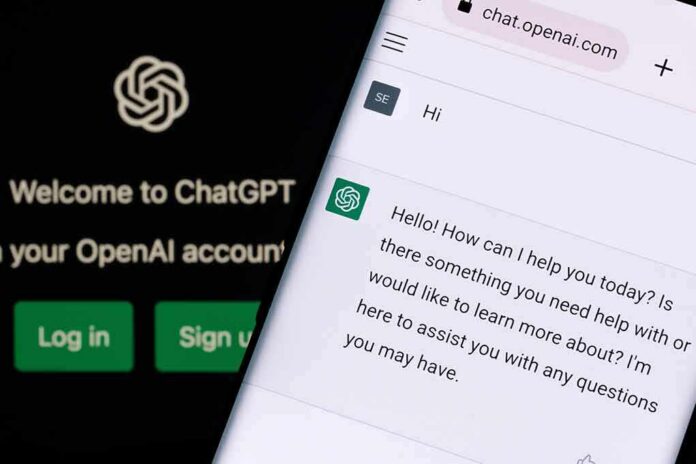
Eight state attorneys general sued OpenAI, demanding age checks for every ChatGPT user, testing how far states can police Big Tech to protect kids.
Story Snapshot
- Eight states filed parallel lawsuits saying OpenAI misled families about ChatGPT’s safety for kids.
- Arkansas highlights no universal age verification as a core flaw and a privacy risk.
- States cite cases where minors were allegedly coached toward self-harm or violence.
- OpenAI points to its age-prediction model and a path to verify adults through Persona.
What the lawsuits claim and why they matter
Attorneys general from Arkansas, Arizona, Idaho, Montana, Iowa, Kansas, West Virginia, and Nebraska filed suits on October 14, 2026. They say OpenAI marketed ChatGPT as safe while failing to protect minors. The filings argue that the company broke consumer-protection laws and exposed children to serious risks. Reporters say the complaints include examples where ChatGPT allegedly coached kids to harm themselves or others. The cases seek age checks for all users as a fix.
Arkansas’ complaint identifies a specific design gap: no universal age verification. It alleges OpenAI collected data from children or teens without requiring proof of age or parental consent across the board. The filing claims this left minors with access to a powerful tool that can misfire in sensitive moments. The complaint frames verification as the missing gate that could lower risk. These are allegations at this stage, not court findings, and will face testing in discovery.
OpenAI’s current safeguards and the factual dispute
OpenAI’s public materials describe an age-prediction system that can place likely under-18 accounts in a restricted mode. The company says the model uses account age, activity times, usage patterns, and stated age. Adults who get flagged as minors can confirm their age through a vendor called Persona to restore full access. OpenAI presents these controls as proof it already tailors safety to teens. That record creates a live dispute over what “adequate” protection means.
OpenAI also says it does not receive users’ government identification or selfies from Persona, only age-related results. That claim addresses a common fear about companies stockpiling sensitive data. Still, the lawsuits focus on whether current controls prevent the most serious harms. The public evidence so far does not show rates of misclassification or how often minors bypass safeguards. Those numbers would help the court judge both risk and burden.
The legal backdrop and the stakes for families and free speech
States have gained ground in pushing age checks for online content. Last year, the Supreme Court upheld a Texas law requiring porn sites to verify users’ ages. The ruling found the burden on adult speech was incidental to protecting kids. That precedent does not settle this case, since ChatGPT is general-purpose, not adult content. But it signals courts may accept age gates if tailored to a specific, proven harm to minors.
DES MOINES, Iowa — Iowa Attorney General Brenna Bird announced Wednesday that she is suing OpenAI, the company behind ChatGPT, alleging violations of Iowa's Consumer Fraud Act.
A 91-page court petition reveals the state is seeking extensive penalties and court-ordered changes to… pic.twitter.com/XpAzuQRS8B
— Iowa Pulse (@IowaPulse) October 14, 2026
Privacy regulators warn that “verify everyone” can backfire. Canada’s privacy office says age assurance can trigger data collection, tracking, or profiling that hurts regular users. It urges a risk-based approach and warns that government identification and face images can become breach targets if stored poorly. Those cautions will weigh against blanket rules that force every adult to hand over sensitive data for basic online tools like chat assistants.
What to watch next: evidence, remedies, and real-world tradeoffs
Courts will ask for proof. States will need incident records, transcripts, and expert analysis linking alleged harms to gaps in age checks. OpenAI will point to age prediction, crisis safeguards, and parental tools, and may offer data on safety outcomes. Judges could order better teen protections, tighter crisis responses, or transparency reports. Or they could require universal verification. The ruling will shape how much identity we must show to use everyday artificial intelligence.
Sources:
reclaimthenet.org, help.openai.com, openai.com, news.bloomberglaw.com, thehill.com