

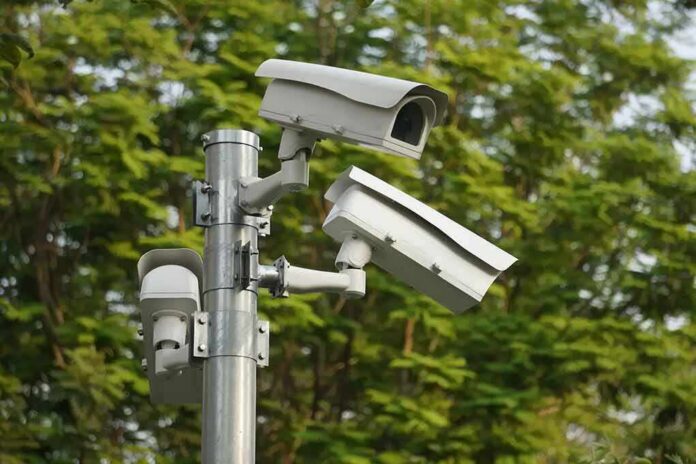
Berlin police switched on artificial intelligence street cameras at Kottbusser Tor, promising faster crime alerts without facial recognition — and igniting a fresh fight over public surveillance powers.
Story Highlights
- Berlin launched an artificial intelligence camera pilot at Kottbusser Tor, with Warschauer Straße next.
- Officials say the system flags risky movements in real time and does not use facial recognition.
- Civil liberties groups warn of mass surveillance creep and unclear data rules.
- Lawmakers and experts demand proof it cuts crime without violating rights.
What Berlin Activated And Where It Goes Next
Berlin’s Interior Administration said the pilot targets high-crime areas, starting at Kottbusser Tor this month before expanding to Warschauer Straße later this year. Police described a staged rollout: first camera setup and fine-tuning, then a test phase of live operation. The system scans video for patterns linked to fights or distress, and sends alerts to officers. Officials framed the effort as a safety tool at known hotspots, not a citywide blanket system.
Local reports detailed an initial configuration period of about four weeks to set camera angles and calibrate software before live tests begin. Coverage from public broadcasters and major dailies aligned on the core timeline and locations. Authorities said results will guide any broader deployment to other high-crime zones. The plan centers on using software to spot unusual movement quickly so police can respond faster to violence or vandalism in crowded public spaces.
How The Technology Works — And What It Does Not Do
Police and the Interior Administration stressed the software does not use facial recognition. Instead, it analyzes motion patterns and posture to detect signs of fights, falls, or hazards, then triggers an alert for human review. Outlets that saw briefings reported that officials want real-time detection of risky behavior, not identity matching. That approach mirrors European pushes to label these tools as behavior-based analytics rather than biometric tracking in public places.
Past trials of face matching in Germany stalled after public pushback, and European rules restrict real-time biometric identification in open spaces. Berlin officials are positioning this pilot as a legal, narrower alternative focused on safety signals. Still, the line between behavior analysis and identification worries critics. They argue that once video is captured and analyzed, future linking to identity is possible through other data, creating a path to broader monitoring over time.
Why Critics See A Surveillance Expansion
Digital rights groups and some political figures called the project a new layer of mass surveillance. They argue automated behavior analysis adds to the intrusion of always-on cameras and risks false alarms, biased alerts, or mission creep. A civil society outlet reported that legal scholars view behavior analysis as another direct hit on basic rights, not a privacy-friendly substitute. They warn the public cannot know which movements will trigger alerts, and that definitions are not set in law.
Opponents also point to Germany’s long debate over video monitoring and data use by private vendors. Berlin media highlighted concerns that personal data handling lacks clear, strong limits in statute, especially if contractors process alerts or store clips. The city’s own data protection officials have criticized earlier steps toward broad video analysis in busy areas. Skeptics say the burden is on the state to show real crime reduction without normalizing constant algorithmic screening.
The Stakes For Voters Far Beyond Berlin
European police forces continue to test artificial intelligence that claims to spot danger faster than people while avoiding face scans. Berlin’s move fits that pattern. Supporters see a way to protect riders, shopkeepers, and workers at crowded hubs without naming or tracking them. Critics see a slow shift to high-tech surveillance that treats everyone as a potential suspect. The coming months will center on one test: measurable safety gains that match clear, enforceable privacy rules.
What To Watch Next
Berlin plans to publish pilot outcomes and decide on expansion to other hotspots after the test. Watch for hard numbers: response times, serious assaults prevented, and false alert rates. Look for binding guardrails on data retention, vendor access, and independent audits. Expect court scrutiny if the program grows. If the pilot cannot prove safer streets with tight oversight, pressure will rise to pause or roll it back before the exception becomes the norm.
Sources:
insiderpaper.com, spiegel.de, rbb24.de, berlinspectator.com, morgenpost.de, tagesspiegel.de, netzpolitik.org, aiweekly.co