Cuba’s diplomats walked out of the United Nations as President Trump said their communist regime is a failed state that “will fall.”
Story Snapshot
- President Trump told the United Nations that Cuba is a failed state and predicted the regime will fall.
- The Cuban delegation stood and left the hall during the Cuba section of his speech.
- Trump said his administration seeks “fundamental change” in Cuba and tied it to an anti-communist policy frame.
- The White House has expanded Cuba sanctions in 2025–2026, declaring a national emergency and broad new penalties.
What Happened In The UN Hall
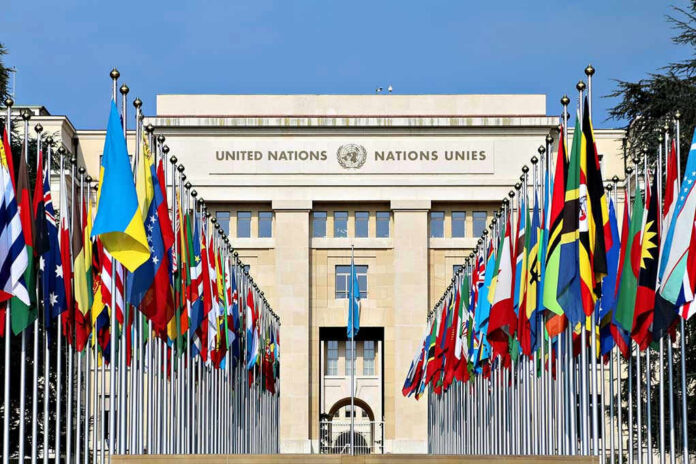
President Trump used his United Nations General Assembly speech to call Cuba “an absolutely failed state” under the greatest pressure it has faced, and said “it will fall.” Reports from the venue show the Cuban delegation left the room during this section. Video segments and network coverage captured the walkout as Trump continued his remarks from the podium. Trump also tied the moment to a larger pledge: “freedom will be coming to Cuba,” framing it as part of his second-term agenda.
Trump said his team is pursuing “fundamental change” in Cuba policy and linked that goal to a wider anti-communist message. He warned that the United States would not allow Havana to be a haven for foreign adversaries. Some outlets reported Trump referenced Senator Marco Rubio as involved in talks, though supporting details were not provided in the cited coverage. The sharp language and the visible walkout turned a policy point into a diplomatic scene that drew instant global attention.
How The Speech Fits Ongoing U.S. Policy
The speech did not come out of nowhere. Since 2025, the White House has moved to tighten sanctions and restore a maximum-pressure approach toward Havana. In January 2026, the administration formally declared that Cuban government actions pose an unusual and extraordinary threat to United States national security, triggering emergency authorities for sanctions. In May, the President signed an executive order that broadened who and what could be sanctioned across the Cuban economy.
Those orders followed years of policy swings. A previous push to open travel and financial channels in the last decade gave way to renewed restrictions that target entities tied to the Cuban military and security services. The administration says the goal is to deny cash to the ruling elite and press for political change. Fact sheets from the White House since 2025 describe stepped-up enforcement to stop United States tourism and curb flows that officials say prop up repression.
Why The Walkout Matters Politically
The walkout turned a policy debate into a picture that both sides can point to. Supporters of pressure say the public exit shows the regime feels the heat and fears open criticism at a global forum. Critics of pressure argue that scenes like this fuel nationalist backlash in Havana while doing little to change who holds real power. United Nations reports show independent human rights experts have condemned recent sanctions as coercive and harmful to basic needs like food access.
The dispute reflects a wider argument that spans left and right in the United States. Many conservatives blame decades of soft policy and global deals for helping authoritarian rulers entrench power. Many liberals warn that sweeping sanctions punish ordinary families first and widen the gap between the rulers and the ruled. Yet a growing number across both camps share a deeper worry: that Washington’s policies often serve insiders and produce theater, not results, while working people pay the price in higher costs and fewer options.
Signals To Watch Next
Policy watchers will look for concrete follow-through after the speech. New designations under the May order, added banking limits, or curbs on commodities would signal another turn of the screw. Any official readouts naming diplomatic contacts or regional partners would also matter, since several reports repeated the reference to negotiations without further documentation. The administration may also court Latin American allies who see Havana’s role in regional security through their own lens.
During his UN General Assembly speech, President Trump called Cuba a "failed state," vowing the country "will fall." Trump also accused the Cuban government of working with left-wing groups to stir unrest inside the United States.
The Cuban delegation walked out in protest. pic.twitter.com/ZWwquXRM0M
— BreakThrough News (@BTnewsroom) September 22, 2026
For Americans, this moment ties back to kitchen-table issues. Sanctions shape migration flows, energy markets, and even prices for some goods. When the United States squeezes a nearby country, families can feel knock-on effects in border traffic and local costs. Voters across the spectrum are tired of grand speeches that do not fix real problems. They want policy that checks abusive regimes without making life harder for regular people trying to reach the American Dream.
Sources:
redstate.com, townhall.com, devdiscourse.com, en.apa.az, timesofindia.indiatimes.com, rev.com, abcnews.com, whitehouse.gov, congress.gov, fdd.org