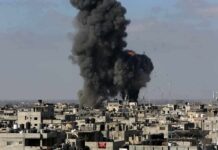
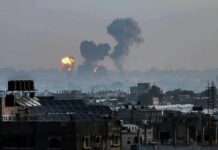
Five people were killed and dozens more were injured after a Ukrainian drone strike hit Russia’s Belgorod region, adding to the long list of cross-border attacks that have turned the area into a constant battlefield.
Quick Take
- Regional officials said the strike killed **five** people and injured **25** others, including **two children**.
- Reuters and Associated Press reporting said the attack hit Belgorod, a Russian border region that has faced repeated Ukrainian drone strikes.
- Earlier reporting showed the same region has seen frequent drone attacks, damage to homes, and hits on business and energy sites.
- Ukrainian messaging has often framed such strikes as targeting Russian oil, export, or other war-related assets.
Death Toll Rises After Overnight Strike
Belgorod regional authorities said the overnight drone strike first left three people dead and 25 wounded, then the death toll rose to five. The regional crisis center said the attack damaged both residential and non-residential buildings, while officials also reported injuries to children. The Associated Press said one of the wounded was a 4-year-old boy, showing how quickly these border strikes can spread harm beyond any military target.
The strike fits a pattern that has repeated across Belgorod for months. Reuters reported in July that Ukrainian drone attacks in the region killed three people and injured 19 more in one day, while other reporting noted earlier attacks that damaged vehicles, homes, and commercial sites. BBC reporting also said drone activity in Belgorod surged sharply in 2025, with more than 4,000 Ukrainian drones documented there in September, compared with about 1,100 in January.
Why Belgorod Keeps Coming Under Fire
Belgorod sits near the Ukrainian border, which makes it a frequent transit zone for drones and missiles on both sides of the war. Russian officials regularly describe the attacks as strikes on civilian areas, while Ukrainian officials and allied reporting often describe them as aimed at Russian military or support infrastructure. That gap matters because the legal and military meaning of each strike depends on what was hit, why it was hit, and how much harm it caused.
In this case, the available reporting does not spell out a detailed target list for the overnight strike. What it does show is a deadly attack that landed in a populated region already battered by repeated drone warfare. Reuters also reported in other Belgorod incidents that Ukrainian attacks have damaged industrial and energy sites, which helps explain why the area remains one of the war’s most exposed border flashpoints.
A Border War With Civilian Costs
For residents on both sides of the front, Belgorod has become a symbol of how the war keeps spilling into daily life. Power cuts, damaged homes, burned vehicles, and wounded civilians now appear in the same reports as military claims and counterclaims. The result is a grim picture that many readers on both the left and the right can recognize: ordinary people paying the price while governments trade blame and keep the conflict going.
Five killed, dozens injured in Ukrainian drone strike on Russia's Belgorod – YouTube https://t.co/7fj8gf2HQb
— neanderthal yabuki (@nean) August 9, 2026
The latest death toll also underscores how hard it is to separate battlefield logic from civilian danger in a border region under constant pressure. Russian officials have called some past attacks “terrorist” acts, while Ukrainian public messaging has repeatedly portrayed strikes as part of a broader campaign against Russian war support networks. Even without a full target breakdown for this specific strike, the human cost is clear: five dead, many injured, and another reminder that Belgorod remains on the front line.
Sources:
youtube.com, reuters.com, themoscowtimes.com, tass.com, aljazeera.com, instagram.com, yahoo.com