As Israeli airstrikes intensify, humanitarian concerns in Gaza reach a critical level, challenging the international community to respond effectively.
Story Highlights
- Recent Israeli airstrikes in Gaza result in significant civilian casualties and infrastructure damage.
- Ongoing conflict exacerbates the humanitarian crisis, with severe shortages of essential supplies.
- International scrutiny increases as the conflict persists, highlighting the need for diplomatic solutions.
- Both military and civilian targets, including hospitals, have been affected by the airstrikes.
Intensified Airstrikes and Their Immediate Impact
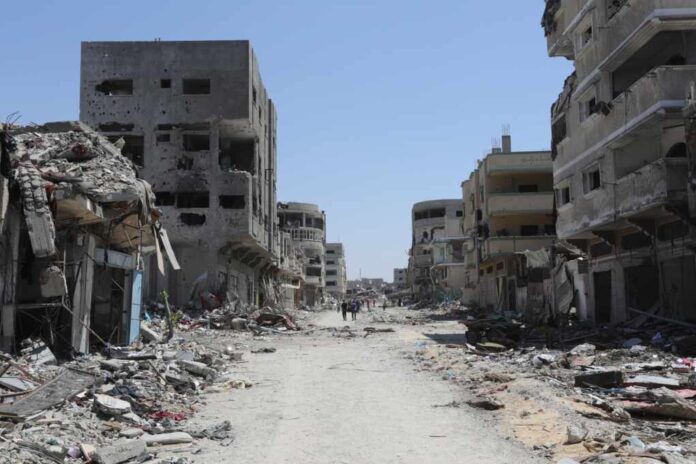
On August 24–25, 2025, Israeli airstrikes over Gaza resulted in dozens of casualties, including medics and journalists at Nasser Hospital. These strikes are part of an ongoing military operation against Hamas and other militant factions. Reports from the Gaza Health Ministry indicate a high number of civilian casualties, further straining an already dire humanitarian situation. The airstrikes have targeted both military and civilian infrastructure, leading to widespread destruction and displacement.
The humanitarian impact of these operations is profound. Gaza, densely populated with over 2 million residents, faces severe shortages of food, water, and medical supplies. International organizations, including Doctors Without Borders, describe the situation as catastrophic. The ongoing blockade and hostilities exacerbate these shortages, leaving civilians in a precarious situation. Reports of deaths due to malnutrition are rising, highlighting the urgent need for humanitarian aid and intervention.
Several explosions seen over Gaza as Israel continues military operation https://t.co/rX9n9byKBo via @YouTube
— Azmarjo (@Azmarjo1) August 29, 2025
International Scrutiny and Calls for Diplomacy
As the conflict continues, international scrutiny of Israel’s military actions grows. The Israeli Defense Forces (IDF) assert that their operations target militant infrastructure; however, the high civilian toll has drawn criticism from global humanitarian organizations and governments. The United Nations and NGOs are pressing for a ceasefire and emphasizing the importance of protecting civilians. Despite these calls, a comprehensive ceasefire remains elusive, and diplomatic efforts to resolve the conflict have stalled.
The political dynamics in the region add complexity to the situation. Israel maintains military superiority but faces increasing international pressure to justify its actions. Meanwhile, Hamas, under significant military and economic pressure, continues to resist Israeli operations. The power dynamics in Gaza, combined with the humanitarian crisis, create a volatile environment with potential for further escalation and regional instability.
Watch a report:
Long-term Consequences and the Path Forward
The long-term implications of the ongoing conflict are significant. The destruction of infrastructure and continued hostilities contribute to Gaza’s economic collapse. Social fragmentation and trauma among civilians are likely to persist, complicating post-war reconstruction efforts. The political ramifications extend beyond Gaza, affecting Israeli and Palestinian leadership and regional stability. The humanitarian aid sector faces overwhelming needs, and regional security dynamics may be disrupted, with potential spillover into neighboring countries.
To address these challenges, renewed diplomatic efforts and accountability for violations of international law are essential. Calls for immediate humanitarian relief and a sustainable peace process are critical to preventing further escalation and alleviating the suffering of civilians in Gaza.
Sources:
Wikipedia: Timeline of the Gaza war (2023–2025)
Wikipedia: Timeline of the Gaza war (20 August 2025 – present)
Doctors Without Borders: Timeline and humanitarian updates
Council on Foreign Relations: Israeli-Palestinian conflict background