As record heat turns famous Western trout rivers into warm bathtubs, officials are quietly making summer fishing shutdowns a new normal.
Story Snapshot
- Wildlife agencies across the West now routinely close or limit fishing when rivers get dangerously hot.
- Yellowstone, Colorado, and Montana use strict temperature and flow triggers they say protect prized trout.
- Closures hit working anglers and local towns hard while bigger water and climate problems go unsolved.
- Both left and right see one pattern: officials manage crisis at the edges while long-term fixes lag.
Heat, Drought, and a New Era of Fishing Shutdowns
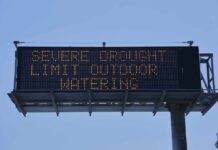
Wildlife officials across the Western United States are increasingly shutting down fishing as rivers warm to levels that can kill trout. An exceptionally dry winter and widespread drought have left streams low, which lets the sun heat them up faster. Colorado has placed restrictions on 19 rivers covering more than 600 miles this summer, a scale state leaders call unprecedented. Yellowstone National Park has expanded afternoon closures park-wide at times, while Montana has restricted about 1,200 miles of rivers during peak heat.
Biologists say this is not a one-off emergency but a trend that has built over more than a decade. One Montana fisheries administrator noted that such closures have become “very routine from late June through early September.” Yellowstone has restricted fishing due to high water temperatures in five of the last six years, showing how quickly abnormal heat has become standard summer risk. For many Western anglers, the idea of a river closing every afternoon is shifting from rare event to expected rule.
How “Hoot Owl” Closures Work on Famous Trout Rivers
State agencies are using clear temperature and flow triggers to decide when to limit fishing. In Montana, “hoot owl” rules ban angling after 2 p.m. once rivers exceed set heat thresholds and flows fall, targeting the hottest, most stressful hours of the day. Similar rules cover celebrated rivers like the Madison, Big Hole, Jefferson, Gallatin, Ruby, Bitterroot, Beaverhead, and Smith, closing them from mid-afternoon until the next morning. Officials say the goal is simple: reduce handling stress on trout already fighting to breathe in warm, low-oxygen water.
Yellowstone National Park uses its own triggers, closing or restricting fishing when river temperatures pass about 68 degrees and air temps push into the 90s. Park managers call those conditions “lethal to trout” and warn that native cutthroat and other wild fish can die even if they are released. On stretches of the Madison, Firehole, and Gibbon rivers, the park has moved from afternoon-only closures to full 24-hour shutdowns after temperatures spiked between 80 and 86 degrees and dead trout were reported. Officials say these closures stay in place only until flows rise and water cools again.
Colorado’s Voluntary Closures and Local Economic Pain
Colorado Parks and Wildlife has taken a slightly different path, relying on voluntary closures when river temperatures top roughly 71 degrees, flows drop below half of normal, or fish health clearly declines. On the Colorado, Eagle, Crystal, and Roaring Fork rivers, anglers are asked—not ordered—to stop fishing during the hottest parts of the day to lower stress on trout. Some stretches face all-day voluntary closures, while others shut down from noon to midnight. Officials warn mandatory emergency closures are possible if conditions get worse.
These rules directly touch the pocketbooks of guides, lodge owners, and rural towns that count on summer fishing traffic. When rivers close every afternoon, boat launches empty, gear shops sit quiet, and service workers lose hours. Many small communities already feel squeezed by rising costs, unequal growth, and decades of uneven federal help. To them, each new restriction can look like another example of distant agencies managing symptoms while deeper problems with water rights, storage, and long-term river health go largely untouched.
Science, Trust, and a Sense the System Is Failing
Agency statements about closures rest on well-known biology: trout need cold, oxygen-rich water, and temperature spikes can kill them even with catch-and-release rules. Yet the public record rarely shows before-and-after data proving that closures boost trout numbers in a measurable way. Officials describe why they act, but they seldom share detailed fish surveys, long-term trend charts, or comparisons with less strict options like gear limits or mandatory barbless hooks. That gap feeds questions among anglers and local leaders who want proof that lost income is buying real gains.
At the same time, many Americans on both the right and the left see a familiar pattern. Agencies are quick to close rivers in response to crisis-level heat, but the larger forces driving those crises—decades of water mismanagement, slow infrastructure upgrades, and political fights over energy and climate—remain tangled in gridlock. People who already distrust “deep state” decision-makers hear about routine summer shutdowns and worry that once again, everyday citizens pay the price while powerful interests and federal planners avoid tougher choices.
What These Closures Reveal About the Bigger Water Fight
For conservatives frustrated with globalist climate agendas and costly regulations, hoot owl rules can feel like another hit to traditional outdoor life while bigger federal failures on forest management, dams, and local control go unaddressed. For liberals angry about growing inequality and environmental harm, the same closures show how the system keeps running on emergency mode instead of investing in smarter water storage, stream restoration, and clean-energy transitions that could protect rivers long term. Both groups see agencies asking families and small businesses to sacrifice while political leaders avoid structural reforms.
Fishing shutdowns in the West may look like a small, niche story, but they point to a wider reality: government is often quicker to restrict everyday activity than to fix the deeper systems that are breaking under heat, drought, and aging infrastructure. Warm trout rivers, dead fish, and daily closures are signals that natural resources and local economies are under strain. Whether you lean right or left, the message is similar—Americans are being asked to adapt to a harsher status quo while the people in charge struggle, or refuse, to tackle the harder work of long-term repair.
Sources:
washingtontimes.com, mountainjournal.org, montanafreepress.org, kunc.org, postindependent.com, facebook.com