Trump’s Iran strike campaign is killing top regime leaders—yet it’s also reigniting the “no more wars” backlash inside the MAGA base he promised to protect from endless foreign entanglements.
Quick Take
- U.S.-Israeli strikes have reportedly killed a growing list of senior Iranian leaders, including Supreme Leader Ayatollah Ali Khamenei and IRGC Intelligence Chief Majid Khademi.
- The campaign began February 28, 2026, and has continued with follow-on strikes targeting successors and intelligence officials “one by one,” according to reporting summarized in the research.
- Iranian outlets and international reporting describe a leadership vacuum, while civilian-casualty claims and damage reports complicate public support at home.
- Conservative voters who backed Trump for border security and economic relief are increasingly split over deeper U.S. involvement and the cost of another Middle East conflict.
Decapitation Strikes Expand as New Deaths Are Confirmed
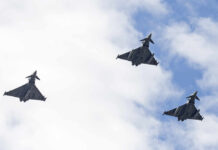
U.S.-Israeli operations have widened beyond an opening blow to Iran’s top command, with new confirmations adding to the list of high-ranking deaths. Reporting in the provided research says the campaign started February 28 and included the killing of Supreme Leader Ayatollah Ali Khamenei and senior military leaders such as IRGC chief Mohammad Pakpour, Defense Minister Aziz Nasirzadeh, and Armed Forces Chief Abdolrahim Mousavi. On April 6, Iran’s IRGC confirmed Intelligence Chief Majid Khademi was killed.
The timeline in the research also cites additional fatalities across March, including Basij commander Gholamreza Soleimani and security council secretary Ali Larijani on March 17, followed by Intelligence Minister Esmaeil Katib on March 18. Later strikes reportedly hit coastal military infrastructure in Bandar Abbas on March 26, killing IRGC Navy intelligence chief Benam Resi and commander Ali Reza Tangsiri. Some claims—such as the reported death of Mojtaba Khamenei—remain unconfirmed within the research.
Operational Success Meets “No New Wars” Reality at Home
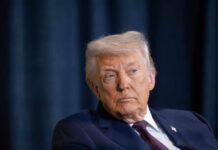
President Trump has publicly described the operation as major combat activity, and allied reporting in the research frames the strikes as preemptive moves against Iran’s missile, nuclear, and proxy networks. That strategic logic is familiar to many conservatives who distrust Tehran and remember decades of IRGC-backed violence. But the same facts also collide with a core promise that helped power Trump’s coalition: resisting open-ended regime-change wars that drain U.S. blood, treasure, and readiness.
That tension is now sharper because the Trump administration is not critiquing someone else’s policy; it owns the consequences. The research indicates a continued campaign aimed at dismantling Iran’s command structure and repeatedly targeting replacements. Even when military goals appear clear, voters still see the risk of escalation—especially if U.S. assets are drawn into retaliatory strikes by Iranian proxies or if mission creep turns limited action into a sustained war footing.
Civilian-Casualty Claims and Targeting Disputes Complicate the Case
Public support often hinges on whether Americans believe U.S. power is being used precisely and lawfully. The research includes contested reporting on civilian deaths and damage, including strikes said to have hit areas such as Qom and Eslamshahr, and a claim that Sharif University was struck. Separate tallies cited in the research describe thousands killed overall and thousands more injured, with major differences between reported totals—an example of how “fog of war” makes verification difficult.
For conservative voters, the credibility problem cuts both ways. Iran-aligned narratives can exaggerate or weaponize casualty claims for propaganda, but Americans have also lived through past wars where shifting justifications and unclear metrics eroded trust. When information is inconsistent—like differing casualty totals or unclear targeting details—skeptical citizens tend to ask a basic, constitutional question: What exactly is the mission, and what is the exit plan before the next authorization and funding fight?
Energy Prices, Border Priorities, and the Limits of American Patience
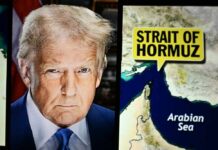
The research flags risks to energy infrastructure and the Strait of Hormuz, a pressure point that can raise global oil prices. For a middle-aged, working household, that translates fast into higher gasoline and grocery costs—exactly the kind of kitchen-table inflation many conservatives blame on years of overspending and mismanagement. A conflict that tightens energy markets can also feed calls for more federal intervention at home, undermining limited-government goals.
Politically, the split inside the MAGA coalition is no longer theoretical. Some supporters prioritize standing with Israel and crippling an adversarial regime; others see another Middle East escalation as a repeat of the post-9/11 cycle they thought Trump would break. The facts in the research show a campaign that is still ongoing and intensifying. That puts pressure on the White House to clarify legal authorities, scope, and objectives—before the conflict expands and the “America First” promise is tested beyond slogans.
Sources:
Israel confirmed it killed Majid Khademi, the intelligence …
US-Israeli strikes in Iran are intensifying, with top figures …
Iran loses another leader: IRGC intelligence chief Majid …